

Clinician-led metabolic health support should begin with a complete picture of the patient rather than a target number on the scales. Medical history, blood results, current medicines and daily habits all shape safe decisions. A woman considering SheMed should expect assessment, monitoring and honest discussion before any treatment plan is selected.

Prepare for a Full Clinical Assessment
The patient should gather information about current and previous health conditions. This includes diabetes, thyroid concerns, high blood pressure, digestive problems, gallbladder issues, pancreatitis, eating disorders and significant mental health history. Family history may also matter. The purpose is not to create an alarming list. It is to help the clinician identify risks that may change the available options.
Every medicine and supplement should be recorded with the dose when known. Some treatments can affect appetite, blood sugar, digestion or the absorption of other medicines. Contraception, fertility plans, pregnancy and breastfeeding also require direct discussion because they can alter whether a weight management medicine is appropriate. The patient should not rely on an online summary when the prescribing clinician needs precise information.
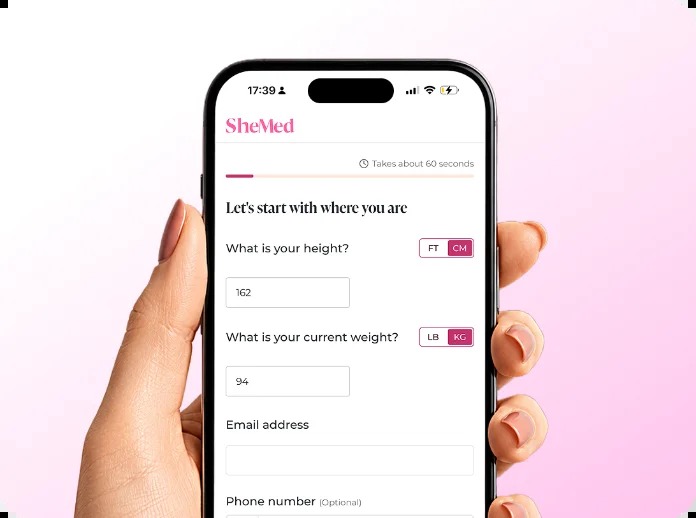
SheMed includes clinician-led assessment and may use at-home blood testing to examine aspects of metabolic health. The patient should follow the collection instructions carefully and report any difficulty with the sample. Results should be interpreted by a qualified professional because one number rarely explains fatigue, weight change or another broad symptom on its own.
The patient should also describe previous weight management attempts without minimising them. Useful details include what felt sustainable, what caused difficulty and whether weight returned after a plan ended. This helps the clinician understand routine, appetite, access to food and emotional patterns. A safe assessment should not treat lack of progress as a character flaw.
Build Support Around the Medical Plan
Medication, when prescribed, is only one part of care. Regular meals, adequate protein, fibre, fluids and micronutrients still matter when appetite changes. A patient who eats much less may find it harder to meet nutritional needs unless meals are planned deliberately. The clinical team should explain how to respond when nausea, constipation or reduced appetite affects normal eating.
Movement should support health rather than punish the body. Walking, resistance work and ordinary daily activity can help preserve function, but the plan should match fitness, joint comfort and medical advice. Rapid increases in exercise can create injury or fatigue, especially when food intake has changed. Consistent moderate activity is often easier to maintain than an intense programme started during a burst of motivation.
A woman using services from SheMed should know how to contact the clinical team when side effects or questions arise. She should understand which symptoms can be discussed at a routine review and which require prompt medical attention. Dose changes should be directed by the prescriber rather than copied from another patient or accelerated to pursue faster results.
Progress measures should extend beyond weight. Waist measurement, energy, mobility, sleep, blood results and the ability to complete daily tasks may provide useful context. At the same time, the patient should avoid constant checking that increases anxiety. The clinician can help establish a review schedule that supplies enough information without making the process dominate everyday life.
Information That Supports Safer Follow-Up
A concise record helps the patient and clinical team make decisions from reliable information.
- The patient should keep an accurate list of medicines, supplements and relevant diagnoses.
- Blood test instructions should be followed closely and unexpected results should be discussed with a clinician.
- Questions for SheMed should include side effects, monitoring, dose review and the intended length of care.
- Meals should remain nutritionally useful even when appetite is lower than usual.
- Any severe or unexpected symptom should be reported through the appropriate medical route without delay.
Use Follow-Up to Protect Long-Term Progress
Follow-up is not a formality. It allows the prescriber to review response, tolerability and changes in other health conditions. The patient should report missed doses, new medicines and any attempt to obtain additional treatment elsewhere. Duplicate prescribing or uncoordinated dose changes can create avoidable risk.
The plan should also address what happens when treatment changes or ends. Appetite may shift and old routines may return. A patient who has learned practical meal structure, movement habits and self-monitoring has more support than one who has relied on medication alone. Maintenance deserves the same planning as the initial phase.

Emotional wellbeing should remain part of the conversation. Weight-focused care can affect confidence, body image and relationships with food. The patient should mention obsessive tracking, fear around eating or distress linked to progress. A clinician may recommend additional support when the treatment plan is creating psychological strain.
SheMed should be considered as a clinical service rather than a shortcut or guaranteed result. The programme can provide assessment and ongoing contact, but the patient still needs informed consent, realistic expectations and coordinated care with other healthcare professionals when necessary. She should also understand how records and treatment updates will be shared with her usual healthcare team when that communication is clinically important.



Leave Your Comment