
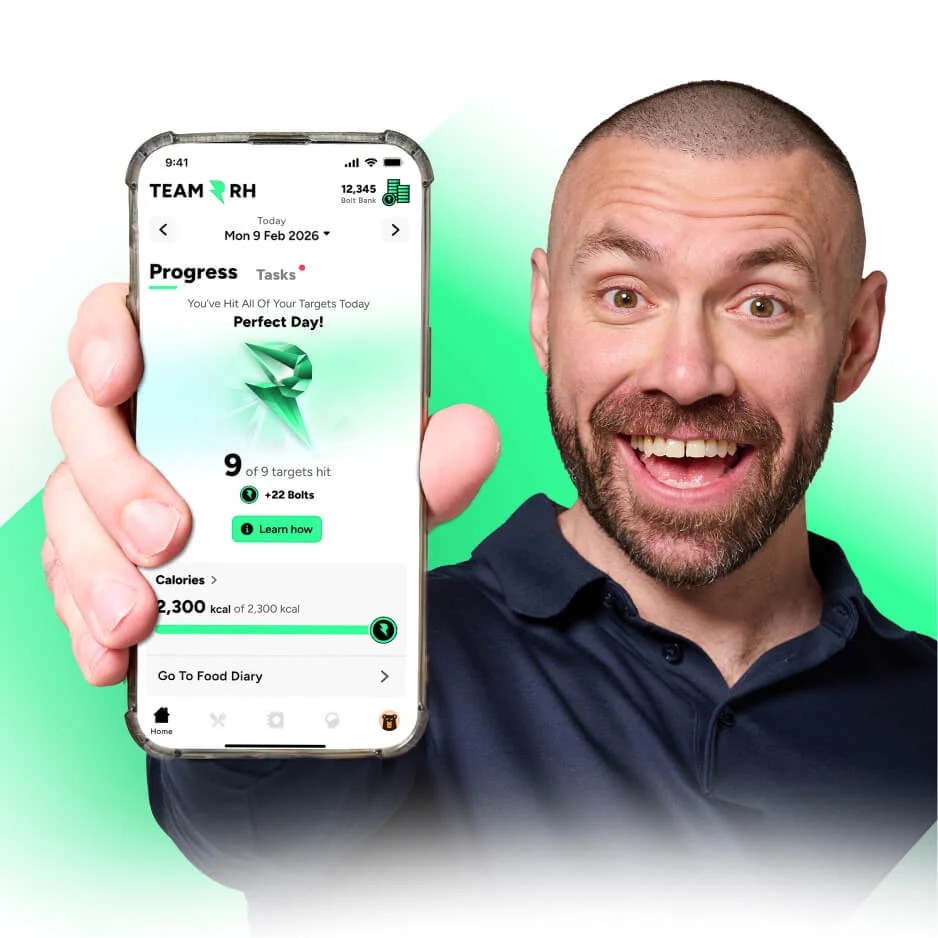
A weight management app is most useful when it turns broad intentions into repeatable daily actions. Food tracking, movement and progress reviews can create structure without demanding perfection. People who want a plan built around practical monitoring can explore Team RH UK while keeping health, consistency and realistic expectations at the centre of the routine.
Turn a General Goal Into Clear Daily Actions
A target such as losing weight or improving fitness is too broad to guide an ordinary day. The person needs smaller actions that can be completed even when motivation is low. Logging meals, preparing a useful lunch, walking after work or completing a short workout can each provide a clear task. Progress then depends less on making a dramatic decision every morning.
The plan should reflect the person’s starting point. Someone with a sedentary routine may benefit from adding movement gradually, while an experienced gym member may need better food consistency rather than more exercise. Sleep, work patterns, caring responsibilities and mobility all affect what is realistic. A plan that ignores those conditions may look impressive but remain difficult to follow.
People can explore Team RH UK for personalised app plans that include food tracking, recipes, progress tools and optional workouts. The app should be used as a structure for decisions rather than a source of constant judgement. A missed entry or difficult meal does not erase the rest of the week and should not trigger extreme restriction.
Anyone using prescription weight management medication should keep the prescribing clinician involved. Changes in appetite can affect meal size, hydration and nutrient intake. An app can support habits, but it cannot replace medical review, side-effect monitoring or individual advice about treatment. The person should follow the clinical plan rather than adjusting medication around an app target.
Use Tracking as Information Rather Than Punishment
Food tracking works best when entries are honest and reasonably accurate. Leaving out snacks, drinks or cooking ingredients can make the record less useful, while trying to weigh every crumb can make the process exhausting. The person needs enough detail to understand patterns without allowing tracking to dominate meals and social life.
Protein, fibre and meal volume can influence satisfaction, but the overall diet should remain varied. Fruit, vegetables, grains, dairy or alternatives and suitable protein sources can all contribute. Foods chosen for enjoyment can also fit when portions and frequency support the wider plan. A rigid good-food and bad-food system often makes ordinary eating more stressful.
Someone using Team RH UK can review trends in food, activity and body weight instead of reacting to one day. Scale readings can change because of hydration, digestion and other normal factors. A planned review point provides more useful information than repeated checking after every meal or workout.
Movement tracking should remain equally balanced. Step counts can encourage activity but do not measure strength, flexibility or recovery. Home and gym workouts can support fitness when technique and progression are appropriate. Rest is part of the plan because repeated training without recovery can reduce performance and make the routine harder to maintain.
Habits That Keep the Plan Workable
A few dependable habits can make the app useful without allowing it to control the entire day.
- Meals should be logged honestly enough to reveal patterns without demanding obsessive precision.
- Movement goals should reflect current ability and increase only when the body is coping well.
- A person can review Team RH UK while choosing a plan for weight loss, maintenance or medication-supported routines.
- Progress should be judged across a meaningful period rather than by one scale reading.
- Medical symptoms, disordered eating concerns or medication questions should be discussed with a qualified professional.
Review the Routine Without Resorting to Extremes
A useful review asks what is working, what is difficult and what can be simplified. If breakfast is repeatedly missed, the answer may be a faster option rather than a stricter rule. If workouts are regularly abandoned, the sessions may be too long or badly timed. Small adjustments protect consistency better than rebuilding the plan after every imperfect week.
The person should also recognise maintenance as a valid phase. Keeping weight stable while preserving useful habits can require attention and deserves its own plan. Calories, activity and appetite may need adjustment as body weight changes. The goal is not to remain in a permanent dieting mindset but to build routines that continue when active weight loss ends.
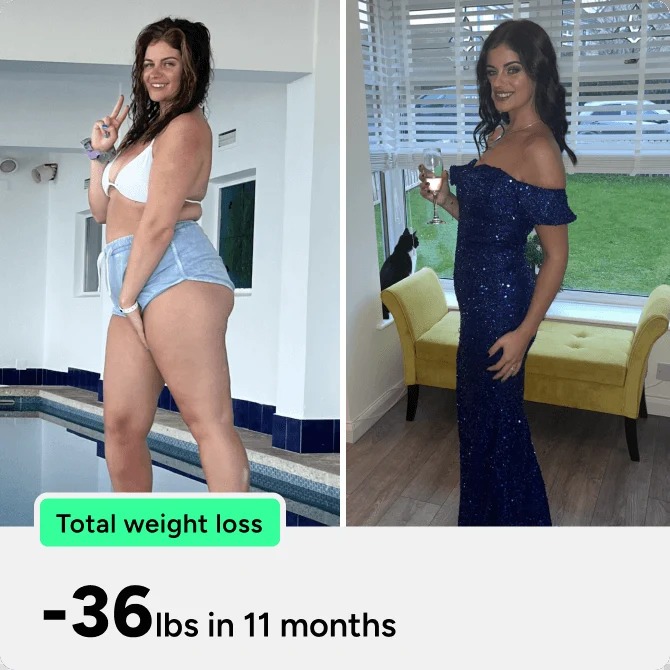
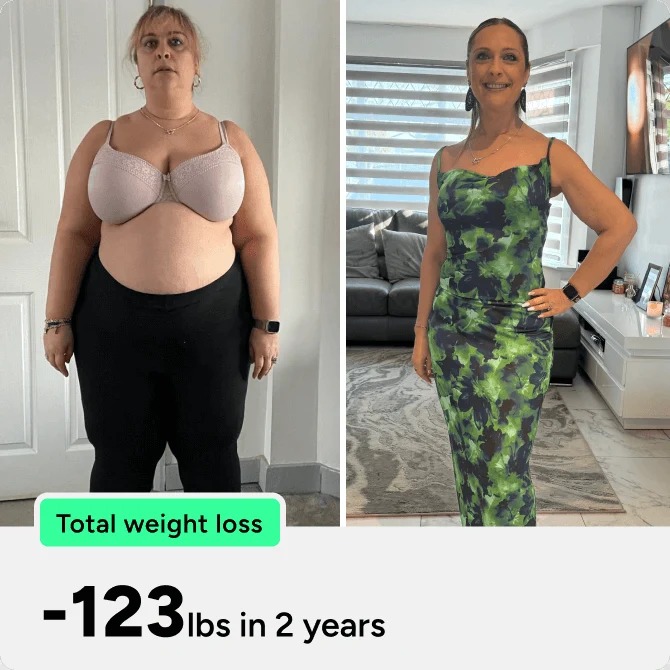
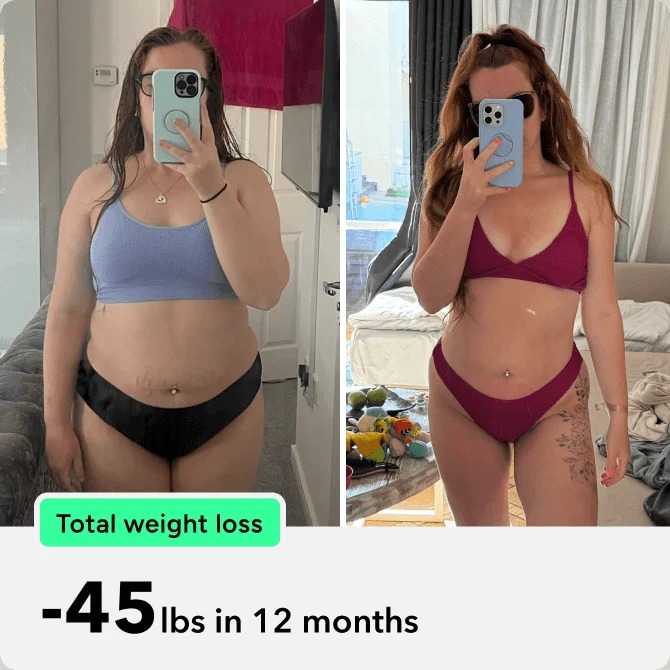
Support can help when progress slows or confidence drops. The person may use app guidance, community features or professional advice depending on the problem. Comparison with dramatic transformations can be misleading because starting points, health conditions and available time differ. The plan should be judged by its effect on the individual routine.
A structured app can make decisions clearer, but sustainable progress still depends on repeated behaviour. People who want tracking, education and practical exercise options in one place can explore Team RH UK and use the tools as support for a balanced routine rather than a promise of instant change.


Leave Your Comment