
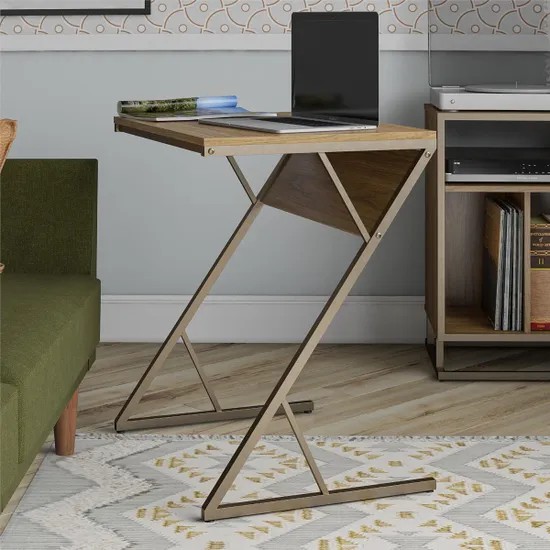
A productive home workspace depends less on decorative accessories and more on whether everyday tasks can be completed without unnecessary searching, duplication or clutter. Pens, notebooks, filing tools and desk storage all have a role when they are chosen for a specific purpose. A person organising a study area or home office can explore Ryman while building a system around the work that actually happens there rather than around an idealised desk photograph.
Start With the Tasks the Space Needs to Support
The first step is to identify the routine. Someone working mainly on a laptop may still need a notebook for calls, a reliable pen and a place for receipts or signed documents. A student may need revision cards, highlighters and folders that separate subjects clearly. A household desk used by several people may require labels, envelopes and simple storage so important paperwork does not disappear beneath unrelated items.
The strongest system begins with frequency. Items used several times a day should remain within easy reach, while occasional supplies can sit in drawers or boxes. A stapler, calculator or hole punch does not need prime desk space when it is used once a week. The same principle applies to paper. Only the sheets or pads used regularly should remain on the working surface.
Shoppers can compare notebooks, pens, folders, desk accessories and office essentials through Ryman after deciding which categories solve real problems. This avoids buying several attractive products that perform the same job. One dependable notebook and one clearly labelled filing method usually create more order than a stack of half-used pads and mismatched folders.
Choose Stationery That Reduces Friction
Notebooks should fit the type of note taking involved. A bound book suits records that need to stay together, while a pad may be better for temporary lists. Ring binders and refillable systems can support projects that grow over time. The paper size should also match storage because large sheets quickly become awkward when the drawer or bag was designed for smaller formats.
Pens deserve the same practical attention. A smooth everyday pen is useful for quick notes, while permanent markers, fineliners or highlighters serve more specialised roles. The goal is not to keep every colour on the desk. A smaller set that covers routine writing, emphasis and labelling is easier to manage and replace.
Filing products should reduce decisions. A simple structure such as action, reference and archive can be more useful than a complex colour code that requires constant maintenance. Someone using Ryman can compare lever arch files, ring binders, box files and document wallets according to how much paper needs to be stored and how often it must be accessed.
Desk accessories should support movement through the day. A tray can separate incoming papers from completed work, while a pen pot prevents small items spreading across the surface. Labels can help shared storage remain understandable. The best accessory is one that removes a repeated interruption rather than one that creates another object to organise.
A Short Workspace Check Before Buying
A short review before buying can keep the workspace focused.
- The desk should contain only the stationery used regularly during the working week.
- Paper storage should match the size and volume of documents that actually accumulate.
- A shopper can explore Ryman while choosing one clear purpose for every notebook, folder and organiser.
- Replacement supplies should be easy to identify so the system can continue without major changes.
Keep the System Easy to Maintain
Once the desk is set up, maintenance should take only a few minutes. Loose papers can be filed at the end of the week, pens that no longer work can be removed and duplicate supplies can be moved into a reserve box. This prevents clutter from returning gradually while keeping the main workspace calm enough for focused work.
The system should also survive busy periods. If every document needs a detailed label before it can be put away, the routine may collapse when deadlines increase. Broad categories are often more resilient. A person should be able to place a paper in the correct location quickly and find it again without remembering a complicated sequence.
Shared spaces need especially clear boundaries. Each household member may have a folder, tray or drawer while common supplies remain in one central place. This reduces the chance of several people buying the same stationery because nobody knows what is already available. It also prevents personal papers from mixing with bills, school notes or delivery documents.
Digital organisation should support the paper system rather than compete with it. A household can decide which records genuinely need physical copies and which can remain in secure digital storage. Printing every email or receipt can create unnecessary filing, while keeping every important document only on a device can make access difficult during technical problems. A simple rule for what gets printed keeps stationery use purposeful and prevents filing products from filling too quickly.
A useful workspace feels straightforward rather than impressive. People who have identified the tasks, storage limits and regular supplies can explore Ryman and select stationery that makes the daily routine easier to repeat. The result should be a desk where the tools support concentration instead of competing for attention.



Leave Your Comment