
An electric scooter can look simple on a product page, but the right model depends on where it will be used, how it will be stored and what level of performance the rider can manage safely. Motor power, range and top speed matter, yet they should be considered alongside weight, braking, tyres and local rules. Buyers comparing different formats can explore iSinwheel after defining the setting in which the scooter will actually be ridden.
Match the Scooter to the Intended Setting
In the UK, privately owned electric scooters are generally not permitted on public roads, pavements or cycle lanes. That legal context changes the buying decision because a powerful commuter-style model may only be suitable for private land unless regulations change. The intended riding area should therefore be confirmed before specifications become the focus.
Private land can still vary significantly. Smooth paths need different tyres and suspension from rough tracks. A rider who plans short recreational sessions may value portability, while someone using a large private site may prioritise battery capacity and comfort. Children also require models designed around age, size and controlled performance rather than scaled-down adult expectations.
The current range from iSinwheel includes foldable adult scooters, longer-range models, off-road options and products designed for younger riders. The category itself should guide the search. An everyday foldable scooter is not automatically suited to uneven ground, while a heavy off-road model may be unnecessarily difficult to carry or store in a small home.
Look Beyond Maximum Speed and Range
Published range figures should be treated as planning estimates rather than guarantees. Rider weight, hills, temperature, tyre pressure and repeated acceleration can reduce the distance achieved in ordinary use. A sensible buyer leaves a margin instead of selecting a scooter whose advertised maximum only just covers the intended route.
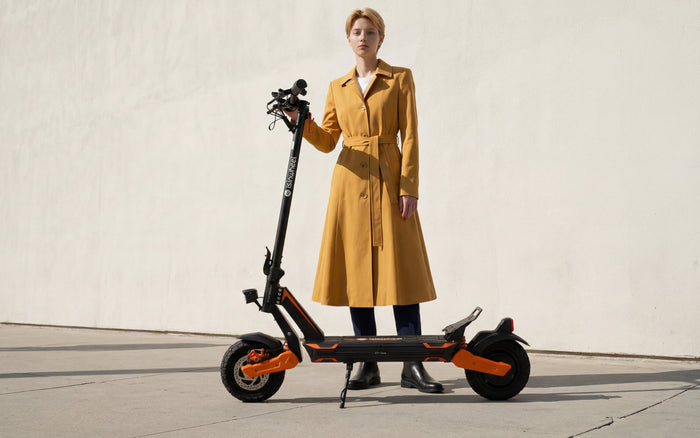
Motor power also needs context. More power can improve acceleration and hill performance, but it can increase weight and make the scooter more demanding to control. Brakes, tyre size and suspension should be considered together because performance only remains useful when the rider can slow and steer predictably.
Someone comparing products through iSinwheel should check folded dimensions as carefully as riding specifications. A scooter may fold neatly but still be too heavy for stairs or awkward in a small car boot. The route from storage to the riding area matters because the owner may need to move the scooter before the motor can be used.
Comfort deserves equal attention. Handlebar height, deck space and suspension affect the rider during longer sessions. A seated scooter may suit a different user from a standing model. The rider should not assume that a higher specification automatically produces a better experience when posture or control feels wrong.
Checks That Matter Before Selection
A short pre-purchase review can prevent expensive mismatches.
- The rider should confirm where a privately owned scooter can legally and safely be used.
- Scooter weight and folded dimensions should fit the available storage and transport method.
- A buyer can review iSinwheel while comparing brakes, tyres, suspension and realistic range rather than speed alone.
- Protective equipment should be considered part of the setup rather than an optional extra.
Plan for Charging, Storage and Maintenance
Charging requires a suitable dry area away from heat, moisture and combustible clutter. The correct charger should be used and damaged cables or swollen battery cases should be treated seriously. A battery should never be modified in an attempt to increase speed or range because changes can affect both electrical safety and vehicle control.
Maintenance also supports predictable handling. Tyre pressure, brake response, folding mechanisms and fasteners should be checked regularly. Unusual movement or noise should be investigated before the scooter returns to use. Replacement parts should match the model rather than being chosen only because they appear similar.
Storage should protect both the scooter and the household. A folded model should not block hallways or exits and wet equipment should not be placed beside electrical charging points. If the scooter is kept in a garage or shed, temperature and moisture conditions should remain within the manufacturer guidance.
Weather conditions should also influence how and when the scooter is used. Wet leaves, loose gravel and standing water can reduce grip even on a model with larger tyres. Water resistance does not mean a scooter should be ridden through deep water or stored while soaked. The rider should allow wet components to dry in a suitable place and should inspect tyres and brakes after rough or dirty sessions. Visibility matters as well, so riding should stop when lighting or weather makes the route difficult to judge safely.
The owner should also think about who else may use the scooter. Sharing between riders of very different height, weight or experience can change handling significantly. Controls and settings should be understood before another person rides, and younger users should only use age-appropriate models under suitable supervision.
The strongest choice is the scooter that fits the rider, the legal setting and the practical limits of storage. Buyers who have considered those factors can explore iSinwheel and compare models with a clearer understanding of what the specification means in everyday use.


Leave Your Comment