

Protein powder can be useful when an active person needs a convenient way to increase protein intake, but the right choice depends on diet, tolerance and the rest of the day’s food. Whey and plant-based formulas can both fit a balanced routine when they are selected for a clear reason. People comparing these formats can explore HERMOSA while treating powder as a supplement to ordinary meals rather than a replacement for varied nutrition.
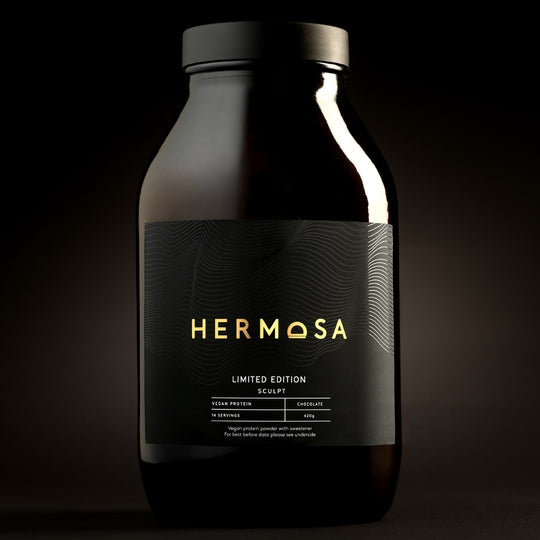
Start With Diet and Tolerance Rather Than Trends
The first distinction is dietary suitability. Whey comes from milk and therefore does not suit a vegan diet. Some people also avoid dairy because of intolerance or personal preference. Plant-based protein can provide another option, although ingredients differ between products. The label should be checked carefully when allergies or sensitivities are involved.
Taste and texture affect consistency more than many buyers expect. A protein powder that feels unpleasant may remain unused even if the nutritional profile looks suitable. Smooth mixing, sweetness level and flavour should therefore be considered alongside grams of protein. Smaller packs or sachets can be practical when someone wants to test a flavour before committing to a larger quantity.
The range from HERMOSA includes grass-fed whey protein, vegan protein and single-serve formats. The brand also offers unflavoured creatine, but that is a different supplement with a different purpose. Keeping categories separate helps an active person avoid treating all gym products as interchangeable additions to a shake.
Compare Protein Formats and Everyday Convenience
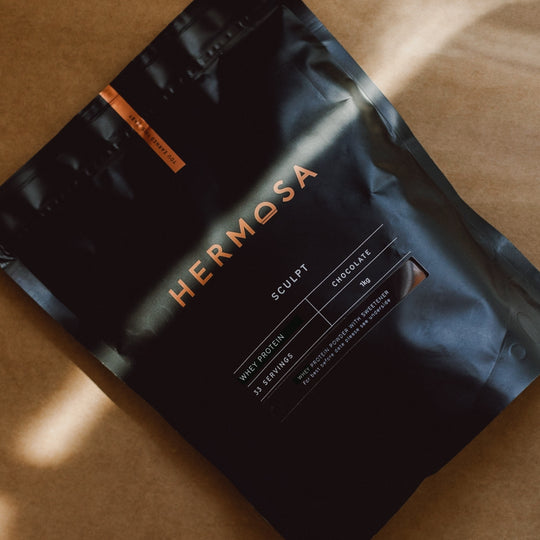
A whey product may suit someone who consumes dairy comfortably and wants a straightforward protein source after training or between meals. Plant-based powder may suit a vegan diet or a person avoiding lactose. The choice should reflect the individual diet rather than assumptions that one category is automatically cleaner, stronger or more advanced.
Serving size should come from the label and the wider diet. More powder does not automatically produce better results. A person who already gets enough protein from meals may need less supplementation than someone who regularly struggles to include protein at breakfast or after training. Total intake matters more than the number of shakes.
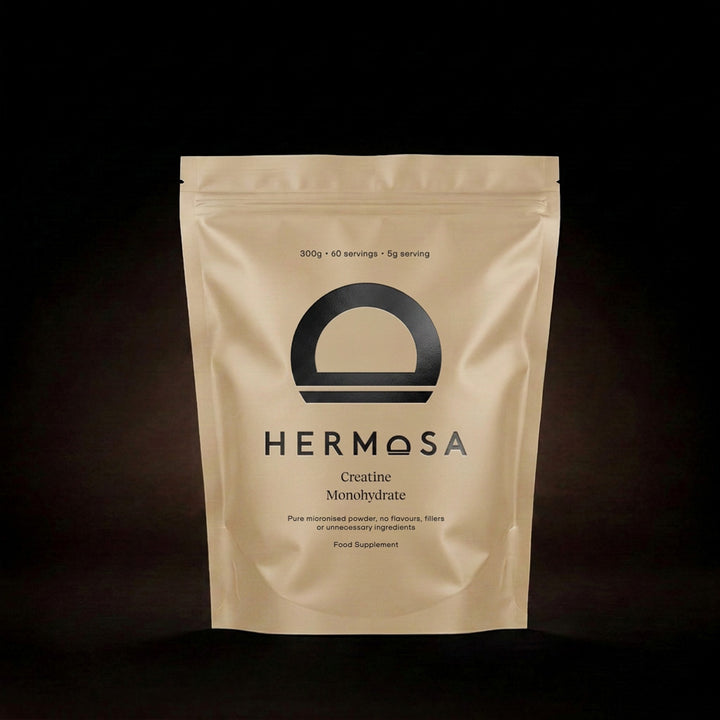
Someone reviewing HERMOSA can also consider packaging format. A larger pouch may suit regular home use, while individual sachets are easier to carry to work or the gym. A jar can make scooping convenient but takes more storage space. The best format is the one that fits the routine without encouraging unnecessary consumption.
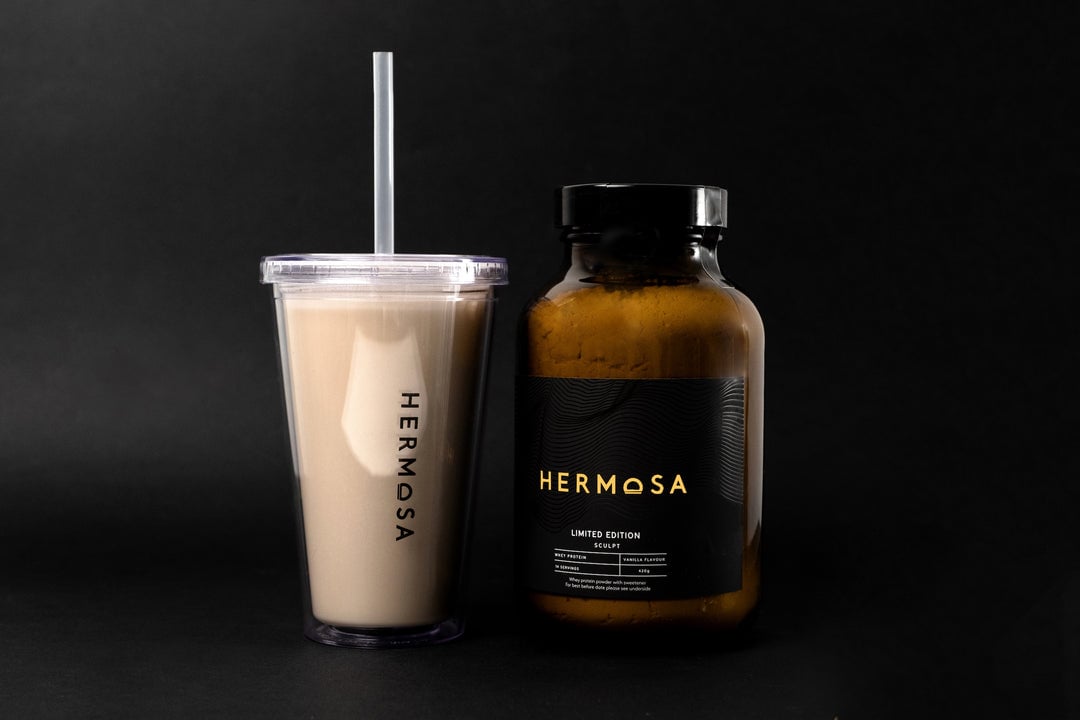
Mixing method changes the experience. Water produces a lighter drink, while milk or a plant-based alternative changes both texture and nutrition. Powder can also be added to oats or smoothies when the recipe remains balanced. Extra ingredients should be counted as part of the meal rather than treated as nutritionally invisible.
Checks Before Adding a Protein Powder
A short review helps keep supplementation sensible.
- The product should suit the person’s diet, allergies and digestive tolerance.
- Serving size should follow the label and fit the total daily protein intake.
- An active person can explore HERMOSA while comparing whey, vegan and single-serve formats for convenience.
- Persistent digestive problems or nutrition concerns should be discussed with an appropriate health professional.
- Make the Product Fit the Wider Diet
Protein powder should not crowd out ordinary food. Meals still provide fibre, vitamins, minerals and a wider variety of nutrients that a shake may not supply. A convenient protein drink can sit beside fruit, grains, vegetables and other foods rather than becoming the entire structure of the diet.
Timing can remain flexible for most people. A shake immediately after exercise may be convenient, but the overall daily pattern is more important than racing to consume one product within a narrow window. The routine should support training without making food preparation feel controlled by the clock.
Storage and preparation also deserve attention. Powder should remain sealed in a dry place and scoops should stay clean. Prepared shakes should not sit unrefrigerated for long periods when they contain milk or other perishable ingredients. Travel containers should be washed thoroughly because residue can develop odour quickly.
Cost per serving can be compared alongside flavour and ingredients. A larger pouch may have a lower unit cost but only provides value when the product is used consistently before its quality declines. Someone who trains irregularly may prefer smaller quantities even when the headline price per serving is higher. Subscription options should be judged by actual consumption so unopened powder does not accumulate simply because deliveries continue automatically.
Hydration remains part of an active routine as well. Protein drinks can contribute fluid, but they should not replace ordinary water throughout the day. Training intensity, temperature and individual needs all influence hydration, so a shake should be viewed as one food choice within a broader routine rather than a complete recovery plan.
A useful supplement fits quietly into a balanced routine. People who have considered diet, tolerance and practical format can explore HERMOSA and choose a protein option that supports existing meals and training without turning supplementation into the centre of the day.

Leave Your Comment