
Pet nutrition forms the foundation of your animal’s health, longevity and quality of life. As a responsible pet owner, selecting the right food for your dog or cat involves understanding nutritional requirements, ingredient quality and whether commercial options truly meet your pet’s specific needs. Premium pet food isn’t just about avoiding low-quality fillers, it’s about providing balanced nutrition that supports optimal health throughout every life stage. Your pet depends on you to make informed decisions about their nutrition and these decisions directly impact their wellbeing and happiness for years to come.
Understanding Pet Nutrition Requirements
Dogs and cats have fundamentally different nutritional needs, despite both being common household pets. Cats are obligate carnivores, meaning they require nutrients primarily found in meat sources. Their bodies cannot effectively synthesize certain amino acids like taurine from plant-based proteins. Dogs, while omnivorous, also thrive on high-quality protein but can utilize plant sources more effectively. Understanding these biological differences is essential when choosing food that will truly nourish your pet.
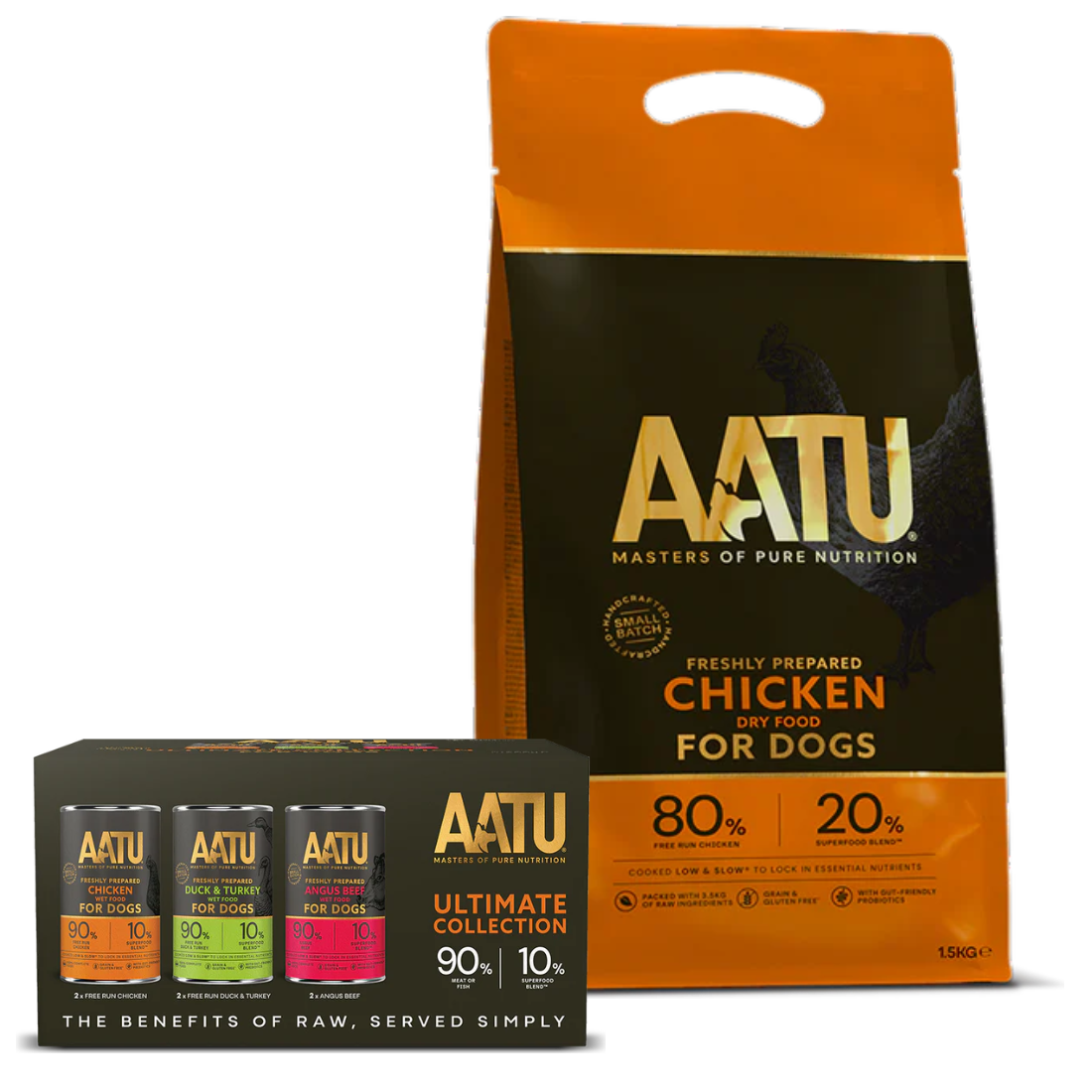
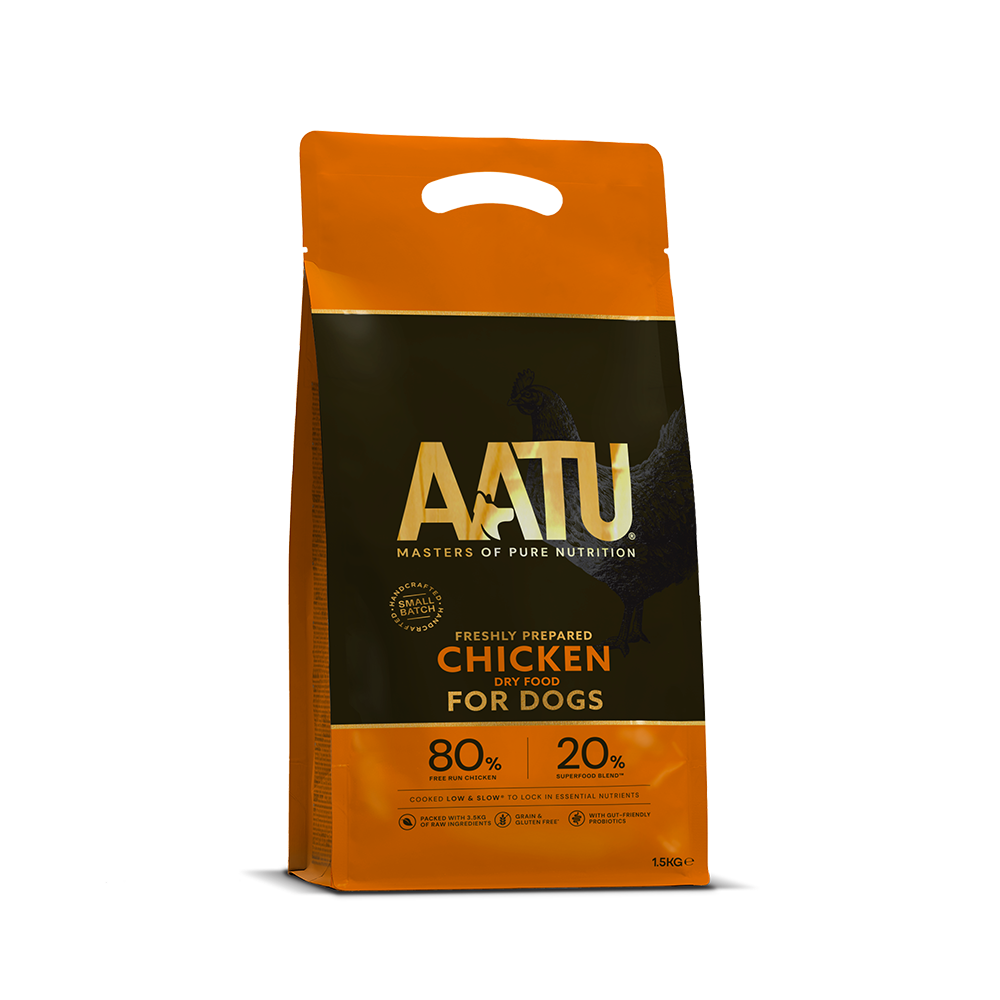
Pet food manufacturers must balance numerous nutritional factors including proteins, fats, carbohydrates, vitamins and minerals. The quality and bioavailability of these nutrients determine how effectively your pet’s body can utilize them. AATU Dog and Cat Food focuses on providing species-appropriate nutrition that aligns with what animals would eat in nature. Their formulations are designed based on modern nutritional science and are tested for safety and effectiveness with real pets.
Evaluating Ingredient Quality and Sources
Not all proteins and ingredients are created equal. Premium pet food brands source their proteins from named animal sources, beef, chicken, fish or lamb, rather than vague categories like “meat meal” or “animal by-products.” The order of ingredients listed on the package indicates their proportion by weight, so quality brands feature named meat as the first ingredient. Grain-free and limited ingredient diets address specific dietary needs, though most pets thrive on complete, balanced formulations that include beneficial whole grains or legumes.
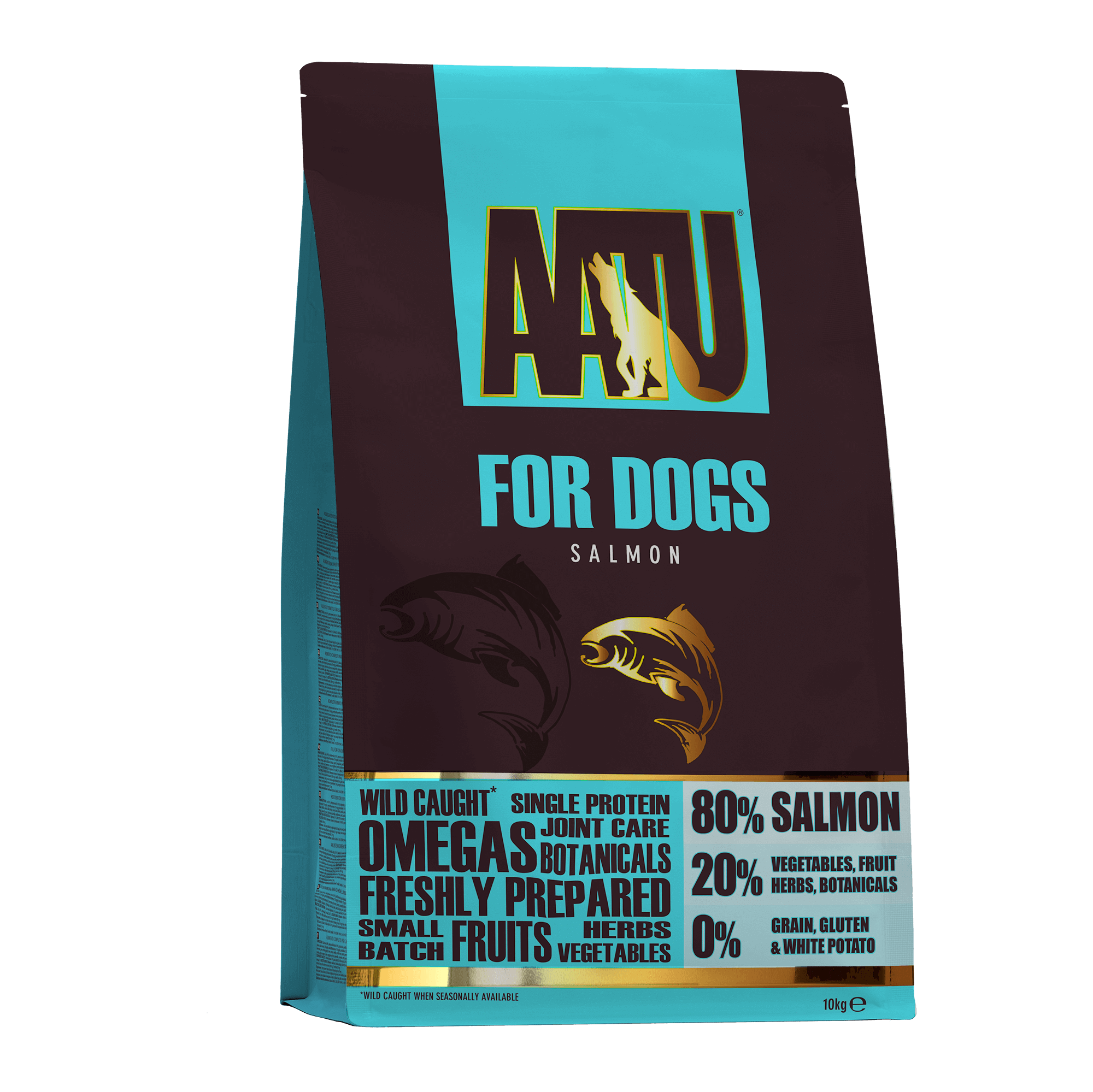
Pet food ingredient sourcing matters enormously for digestion and nutrient absorption. AATU Dog and Cat Food emphasizes transparency in their ingredient sourcing and manufacturing processes, helping pet owners make informed decisions about what goes in their pet’s bowl. Each ingredient is carefully selected for nutritional value and quality to ensure your pet receives optimal nutrition.
Identifying Your Pet’s Individual Needs
Not every pet requires the same diet. Age significantly impacts nutritional requirements, puppies and kittens need different nutrient ratios than adult or senior pets. Activity level also matters, with working dogs and outdoor cats requiring higher calorie intake than sedentary companions. Health conditions like allergies, sensitivities or digestive issues may necessitate specialized diets. Some pets do better with grain-inclusive formulas while others thrive on grain-free options. Your veterinarian can help identify the best diet for your specific pet based on their unique health profile and lifestyle. AATU Dog and Cat Food
Working with your veterinarian helps identify your pet’s specific nutritional requirements. Whether your pet needs weight management, sensitive digestion support or joint care formulation, selecting appropriate food becomes critical. AATU Dog and Cat Food offers varied formulations designed for different life stages and dietary needs.
The Impact of Feeding Practices and Portion Control
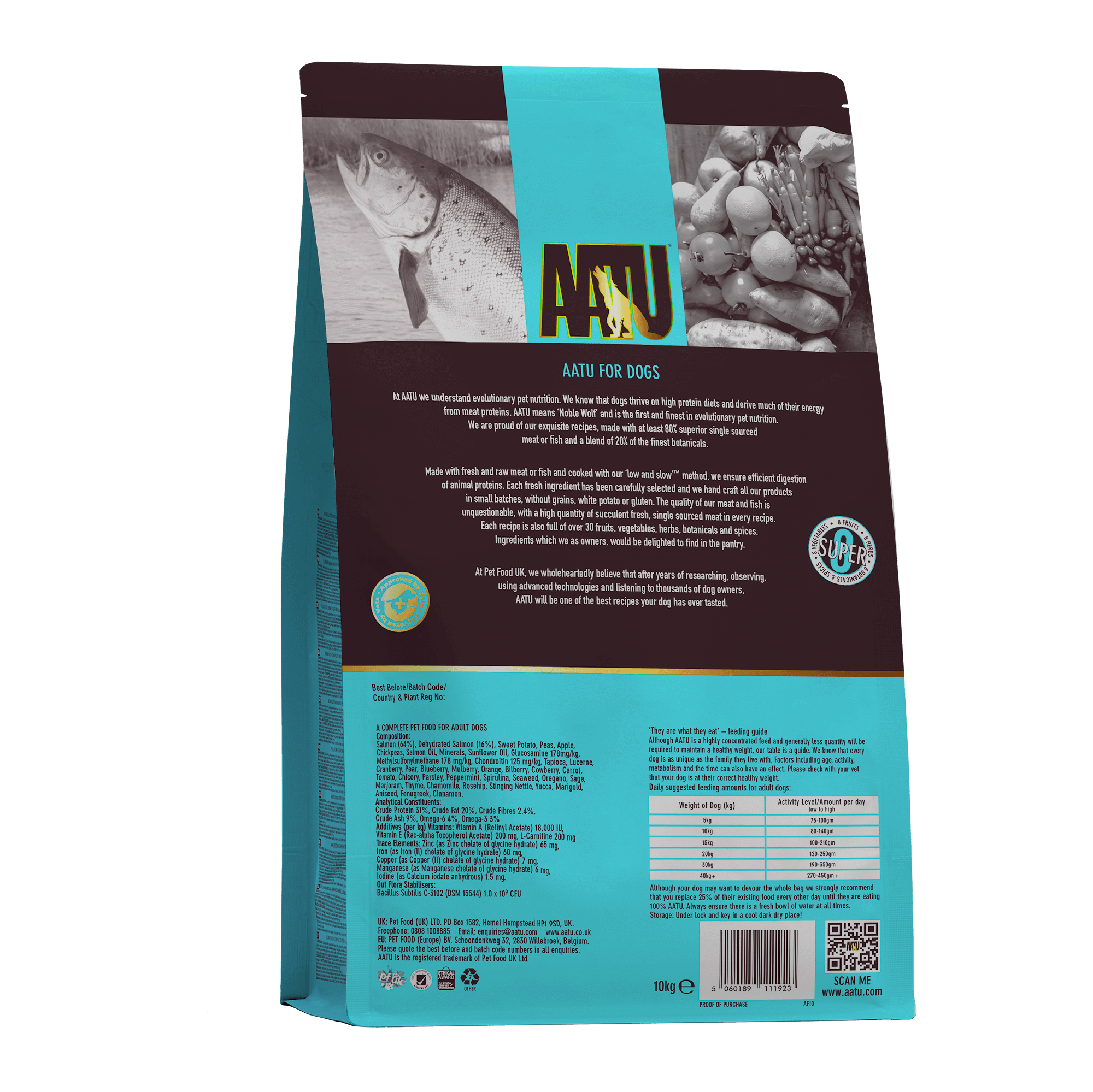
Even premium food cannot compensate for improper feeding practices. Establishing consistent feeding schedules helps with digestion and training. Appropriate portion sizes prevent obesity, which affects both dogs and cats negatively. Reading the feeding guidelines on your pet food package provides a starting point, though individual metabolism varies. Some pets need less food, while others require additional calories based on their activity level and metabolism.
- Measure portions carefully using the guidelines on the food package
- Establish consistent feeding times each day to regulate digestion
- Avoid overfeeding treats, which should comprise less than 10 percent of daily calories
- Monitor your pet’s weight and body condition regularly
- Consult your veterinarian about appropriate portions for your specific pet
Transitioning to New Food and Monitoring Health
Switching your pet’s food should happen gradually over several days to prevent digestive upset. Mixing increasing amounts of new food with the previous diet allows their digestive system to adjust. Most pets need at least a week to fully transition to new food. During this period, monitor their stool quality, energy level and coat condition, these factors quickly reflect food quality and digestibility. A successful transition means your pet thrives on the new diet without digestive complications or behavioral changes.
Long-term monitoring of your pet’s health provides the best indicator of whether you’ve selected appropriate nutrition. A healthy coat, good energy levels, appropriate weight and regular digestion all suggest your food choice aligns with your pet’s needs. AATU Dog and Cat Food delivers comprehensive nutrition designed to support your pet’s long-term health and vitality. Investing in quality pet nutrition supports your animal’s health throughout their lifetime.



Leave Your Comment