

Nicotine pouches are addictive age-restricted products intended only for adults who already use nicotine. A stable routine should focus on avoiding unnecessary increases in strength, frequency and combined nicotine exposure. Two Wombats carries pouches across multiple strengths and formats, but product variety should not be treated as a reason to escalate use or experiment with stronger nicotine.

Read Strength Information the Same Way Every Time
Nicotine labels can be confusing because some products describe nicotine per pouch while others may present a concentration or use descriptive categories. An adult user should identify the amount that actually applies to one pouch and avoid assuming that a familiar word such as strong has the same meaning across brands.
The retailer explains that it standardizes strength information to help customers compare products. An existing adult user looking at Two Wombats should still read the individual packaging and avoid moving to a higher level simply because a different brand uses another labeling style. Maintaining a known amount is safer than treating strength as a challenge.
Symptoms such as nausea, dizziness, sweating, headache, weakness or a racing heartbeat can indicate excessive nicotine exposure. The pouch should be removed if the user feels unwell, and significant or persistent symptoms require appropriate medical advice.
Watch for Small Changes That Signal Increasing Dependence
Dependence can increase gradually. A user may begin reaching for a pouch earlier in the day, using them closer together or combining pouches with vaping, cigarettes or other nicotine sources. Each of those changes can increase total exposure even when the strength printed on one container stays the same.

Someone using Two Wombats products should consider the full daily pattern rather than one pouch in isolation. Keeping a simple count for a short period can reveal whether frequency is rising. The purpose is not to create a complicated diary. It is to identify changes that may otherwise feel normal because they happen slowly.
Oral irritation also deserves attention. A pouch should not be placed on damaged tissue, and repeated soreness should not be ignored. Persistent gum or mouth problems should be discussed with a dental or medical professional.
Checks for a More Controlled Adult Routine
- Only adults who already use nicotine should use nicotine pouch products.
- An adult using Two Wombats should compare nicotine per pouch rather than relying only on flavor names or strength words.
- Several nicotine products should not be combined casually because total exposure can increase quickly.
- Pouches should remain in their labeled container and away from children and animals.
- Increasing frequency or strength can be a reason to seek support for reducing nicotine use.
Store and Dispose of Pouches as Potentially Harmful Products
Nicotine pouches should stay in their original container so the strength and warning information remain available. Loose pouches can be mistaken for sweets or small food items. Bags, low drawers and car consoles are not secure storage simply because adults usually know what is inside them.
Used pouches still contain residue. They should be placed in a secure bin or the disposal compartment provided by the container and kept away from children and pets. Accidental swallowing can be dangerous, so urgent poison or emergency advice should be sought when exposure occurs. The product packaging should be kept available so professionals can identify what was involved.
A controlled nicotine routine does not make nicotine harmless. Two Wombats should be viewed as a retailer of age-restricted products rather than a source of health treatment. Adults who want to reduce or stop nicotine use can speak with a pharmacist, doctor or stop-smoking service for support that is designed around health rather than product selection.
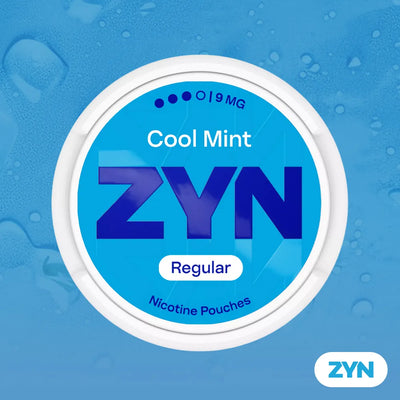
Caffeine and stress can also change how nicotine feels, so an adult should avoid interpreting every uncomfortable sensation as a need for a stronger pouch. Stable use is easier to assess when other stimulants and routine changes are considered honestly.
An adult user can also reduce confusion by keeping only one strength level in active rotation rather than opening several different containers at once. When products use different formats, pouch sizes or labeling systems, switching back and forth can make it harder to understand total nicotine exposure. The user should avoid using flavor or mouth sensation as a substitute for reading the stated nicotine amount. Strong irritation does not necessarily mean that the product contains more nicotine, and a mild sensation does not mean that repeated use is harmless. Anyone who notices increasing use, withdrawal discomfort or difficulty delaying the next pouch can discuss those signs with a health professional. A stable routine should never be interpreted as risk-free. The most protective direction for health remains reducing and ultimately stopping nicotine use when the adult is ready to do so. Stable use still requires regular self-review.



Leave Your Comment