
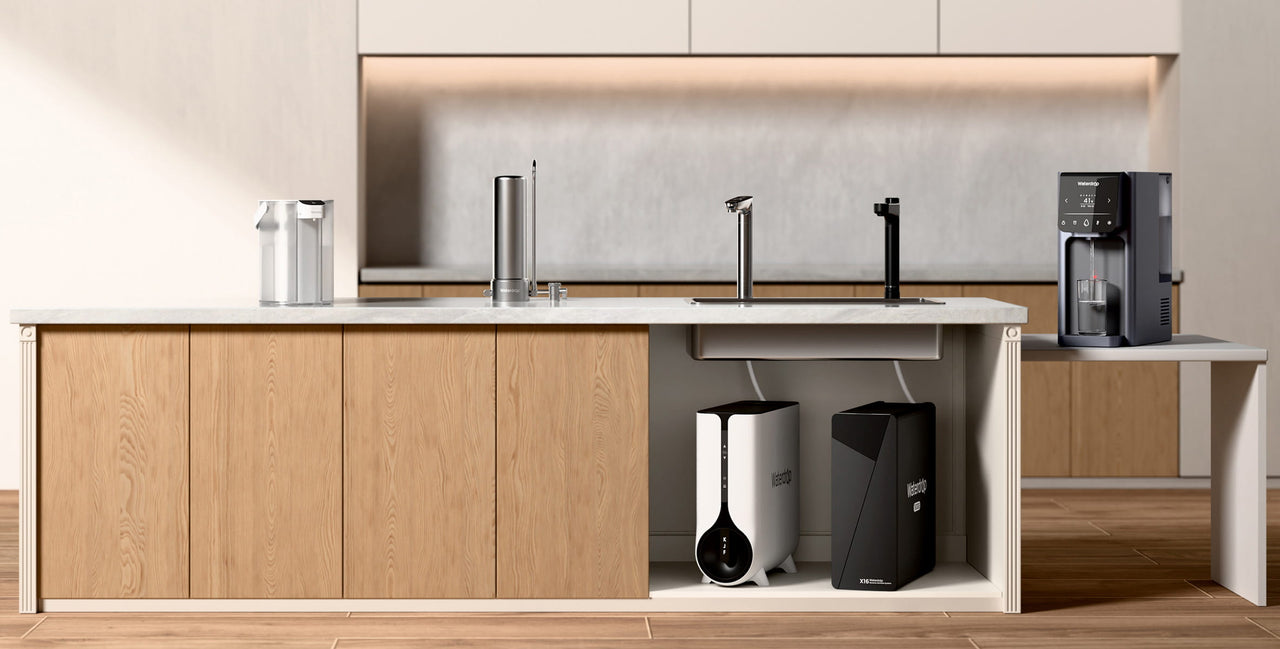
A home water filtration system remains useful only when replacement filters, cleaning and daily capacity are planned after installation. A household can choose an advanced system and still receive poor value if cartridges are forgotten or the output does not match normal use. Waterdropfilter UK sells reverse osmosis systems, under-sink filters, countertop units and replacement filters, so maintenance planning should begin before the first filter reaches the end of its service interval.
Estimate Daily Demand Instead of Relying on Occasional Use
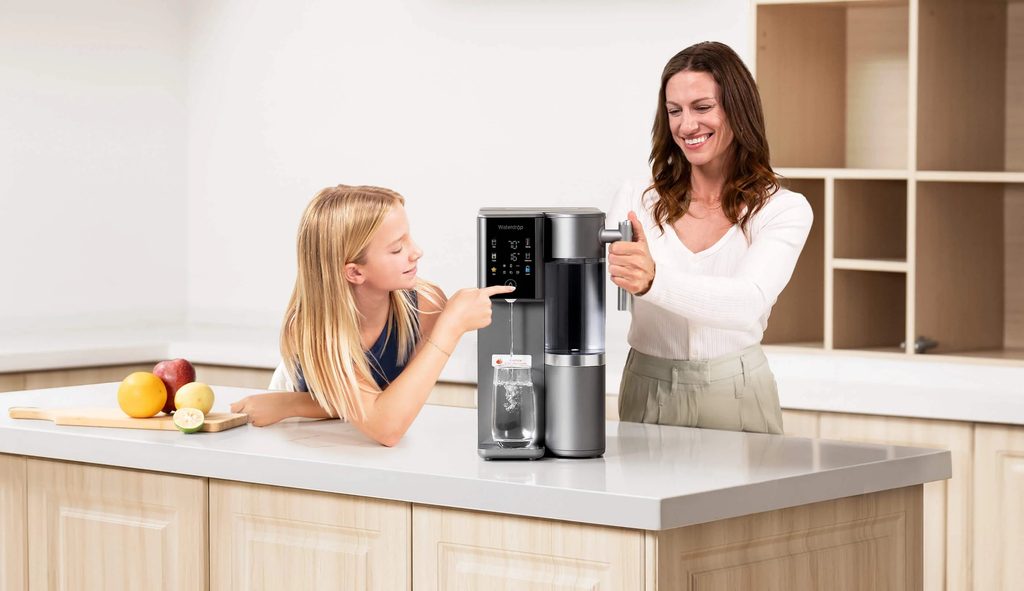
Drinking water is only part of household demand. Cooking, filling bottles, making tea or coffee and preparing pet water can increase daily use substantially. A family that fills several bottles each morning may need more flow than someone who only wants filtered water for occasional glasses.
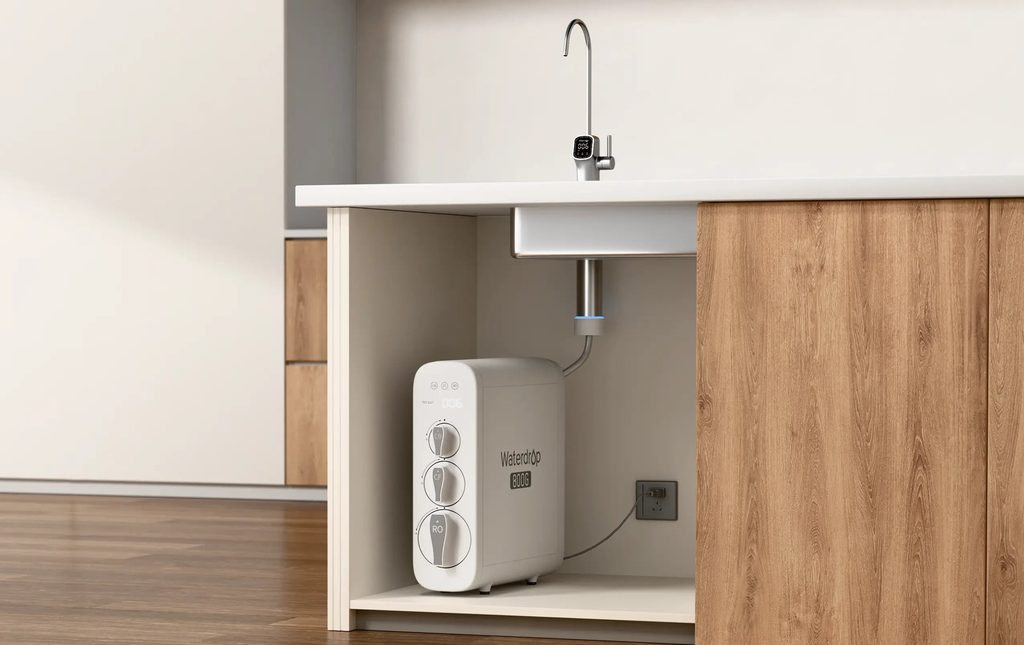
System format changes how that demand is handled. Countertop units keep installation simple but occupy workspace. Under-sink systems preserve the counter while requiring cabinet space and compatible plumbing. A household comparing Waterdropfilter UK should choose the format that supports ordinary routines without creating a new bottleneck.
Flow rate and tank design can affect convenience. A system that is adequate for one user may feel slow when several people prepare for work and school at the same time. The household should judge capacity against peak use rather than an average spread evenly across the day.
Build Replacement Costs Into the Ownership Plan
Filters are consumable parts. The buyer should identify how many cartridges the system uses, how replacement intervals are determined and how much a full replacement cycle costs. Some systems have multiple filters with different schedules, which can create confusion if dates are not recorded.
The range includes replacement filters for its RO and under-sink ranges. Someone using Waterdropfilter UK can keep model numbers and filter names in a simple home maintenance record. A calendar reminder set before the expected replacement date makes it less likely that a cartridge will be forgotten until flow or taste changes noticeably.
The household should not extend replacement intervals simply to reduce cost when the manufacturer guidance indicates otherwise. Water quality, usage and model design can affect service life, so the instructions for the exact unit should take priority over generic advice.
Checks That Keep Filtration Maintenance Predictable
- The household should record the system model and every replacement filter part number after installation.
- An owner can use Waterdropfilter UK replacement categories to plan future cartridge availability before a filter is due.
- Cleaning instructions for tanks, trays, taps and removable components should be followed on schedule.
- Changes in flow, taste, leakage or unusual noise should be investigated rather than ignored.
- Replacement dates should be stored somewhere every household member responsible for maintenance can find.
Treat Cleaning and Leak Checks as Normal Kitchen Maintenance
Filtration equipment handles water continuously, so small leaks deserve immediate attention. Connections beneath a sink should be inspected periodically, especially after filter changes. A wet cabinet base, unusual pressure drop or recurring drip should not be treated as normal. Water and electrical components require particular care on powered countertop or RO systems.
Reservoirs, drip trays and removable parts can collect residue even when the filtered water tastes normal. The cleaning method should come from the product instructions because harsh chemicals may damage seals or surfaces. Fresh cartridges should be handled with clean hands and installed in the correct orientation.
A filtration system should simplify access to water, not create an invisible maintenance problem. When daily demand, filter cost and cleaning are planned together, the household can judge the real value of the installation. By choosing Waterdropfilter UK equipment with the long-term routine in mind, owners can keep performance more consistent and avoid the common mistake of treating installation as the end of the process.

Households that move or renovate should keep manuals and installation information together. Knowing which parts belong to the system and how it was connected can simplify servicing, relocation or eventual replacement. Good records make long-term ownership easier.
The household should also decide who is responsible for monitoring the system. In shared homes, filter indicators can be ignored because everyone assumes another person will act. One maintenance calendar, whether digital or printed inside a cabinet, can record installation dates, filter changes and cleaning. Keeping spare filters on hand may be useful when availability or delivery time would otherwise interrupt normal use, but excess stock should not be stored where heat or moisture can damage packaging. The owner can also note normal flow and sound when the system is working correctly. That makes later changes easier to recognize before they become major problems. Maintenance works best when it is treated like replacing smoke alarm batteries or servicing an appliance, as a predictable household task rather than something remembered only after performance declines.



Leave Your Comment