

An electric scooter can feel ready to use as soon as the battery is charged, but a short pre-ride check can reveal problems before they affect control. Tires, brakes, lights, folding mechanisms and battery condition all deserve regular attention. iscooterglobal sells scooters across commuting, seated and higher-performance formats, so the exact routine should follow the model while keeping the same basic focus on condition and legal use.

Check the Parts That Affect Control Before Speed
Tire pressure should be verified with a gauge when the model uses pneumatic tires. Low pressure can reduce range, make steering feel heavy and increase the chance of rim damage. Excessive pressure can also reduce comfort and grip. Solid tires remove inflation checks but still need inspection for wear, cuts or damage.
Brake levers should feel consistent and should not pull unusually close to the handlebar. Disc systems, cables and electronic braking components need maintenance according to the model. A rider using iscooterglobal should investigate scraping, weak braking or sudden changes rather than compensating by riding more slowly and hoping the issue disappears.
The folding mechanism deserves a physical check. Latches should close fully and stems should not show unusual movement. Handlebars, grips and fasteners should feel secure before the rider leaves home.
Plan Battery Use Around a Real Route and Safe Charging
Published range is measured under specific conditions. Hills, rider weight, wind, temperature, tire pressure and acceleration can reduce real distance. A commuter should leave a margin rather than planning a route that uses the full advertised range. Returning with reserve power is more useful than proving that the battery can reach its theoretical limit.

Someone comparing or using iscooterglobal models should charge with the correct equipment on a dry stable surface. Damaged chargers, swollen battery housings, burnt smells or unusual heat require the vehicle to be taken out of service and checked appropriately. Batteries should not be modified to increase speed or range.
Storage also affects battery health. The scooter should not block an escape route or remain where heat, rain or physical impact can damage it. Long-term storage charging guidance should come from the manufacturer.
Checks Before an Electric Scooter Leaves Home
- The rider should confirm that local law allows the scooter to be used on the intended route.
- A iscooterglobal scooter should have secure folding hardware, responsive brakes and undamaged tires before use.
- Lights and reflectors should be clean and functional when visibility may be limited.
- Battery charge should include a realistic reserve for hills, weather and route changes.
- The rider should use suitable protective equipment and adapt speed to surface and traffic conditions.
Keep a Simple Maintenance Record Instead of Waiting for Failure
A short record can note tire pressure checks, brake adjustments, fastener inspections and any parts replaced. This is especially useful when the scooter is used daily because gradual changes are easy to overlook. Unusual noise, vibration or steering movement should be written down and investigated before the next long ride.
Cleaning should be gentle. Water resistance does not mean that pressure washing or deep immersion is safe. Dirt can be wiped away while electrical openings, bearings and charging ports are protected. Wet scooters should be allowed to dry in an appropriate place before charging.
A pre-ride routine may take only a few minutes, but it changes the scooter from an appliance that is assumed to work into a vehicle whose condition is actively checked. By maintaining iscooterglobal equipment according to the model instructions and treating legality, tires, brakes and battery care as routine responsibilities, a rider can make everyday travel more predictable and reduce avoidable mechanical surprises.
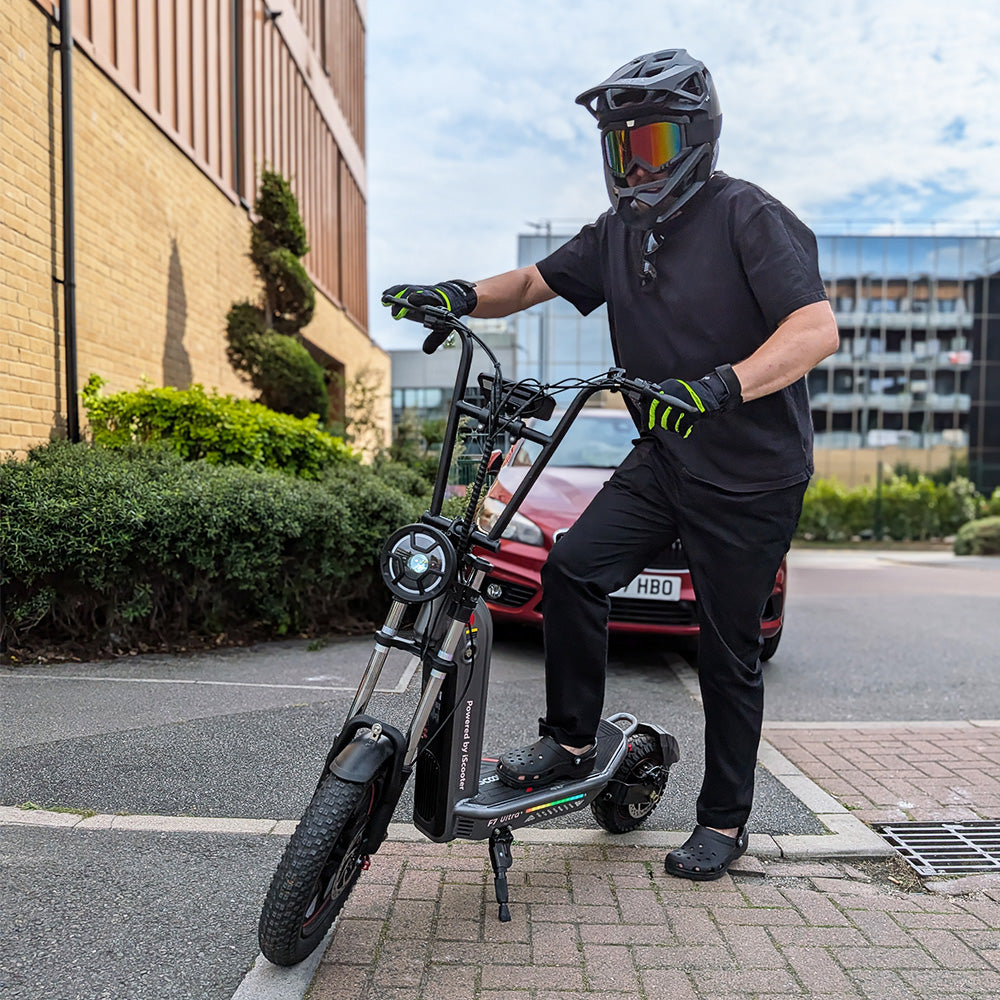
A rider who shares the scooter with another adult should not assume the second rider will notice the same problems. A short handover about tire pressure, brake feel and battery charge helps keep maintenance consistent when several people use the vehicle.
Commuters can make the routine easier by keeping the necessary checking tools in one place. A tire gauge, clean cloth and any model-approved basic tool can stay near the charging area so inspection does not depend on searching the home each morning. The rider should also know where replacement tires, brake parts and professional service are available before a failure occurs. Route conditions can change with construction, weather and traffic, so a previously comfortable journey still deserves attention. A backup route or public transport option helps when the scooter should not be ridden. The owner can record recurring problems such as pressure loss or brake adjustment frequency because patterns may indicate a component that needs more than routine attention. Preventive maintenance is most effective when small changes are noticed before they become reasons for an unsafe roadside stop. Consistency matters more than occasional intensive checks.



Leave Your Comment