

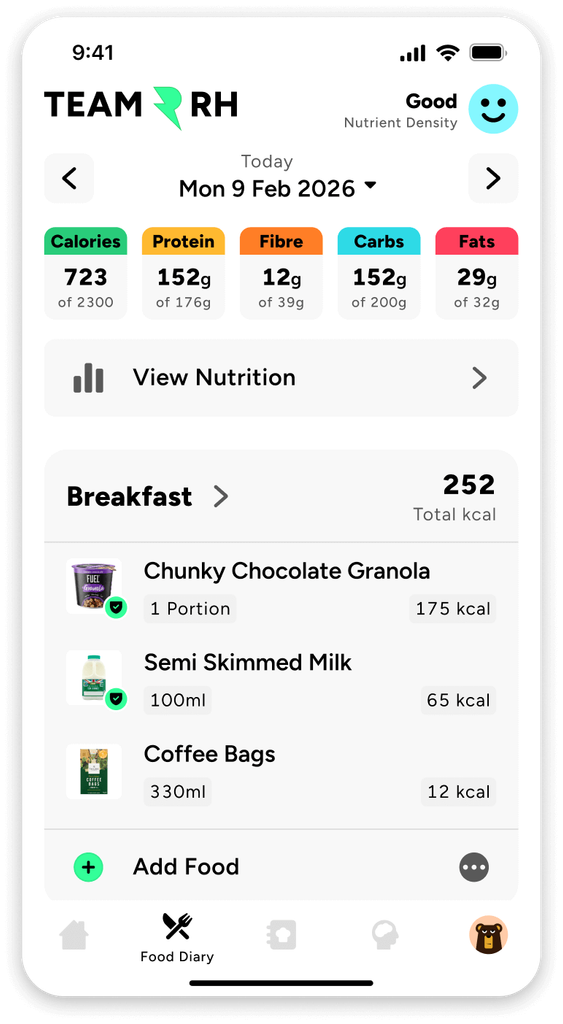
Food tracking often feels easiest on predictable weekdays and hardest when meals become social, spontaneous or less structured. The challenge is not simply estimating one restaurant meal. It is keeping useful habits without turning a weekend into an exercise in perfect measurement. Team RH UK combines food logging, recipe tools, step tracking, water goals and workout support, which means the most useful approach is to treat the app as a source of structure rather than a reason to avoid normal social life.
Plan the Flexible Meals Before the Weekend Begins
A practical weekend starts with knowing which meals are likely to be different. A family dinner on Saturday evening does not require the rest of the day to become unusually restrictive. Instead, the person can keep breakfast and lunch familiar, choose foods that provide protein and fibre and leave enough flexibility for the social meal. This preserves routine without creating the feeling that one event must be compensated for through hunger.
Someone using Team RH UK can review ordinary calorie, protein and fibre targets before the weekend and decide where flexibility is genuinely needed. The purpose is not to create a perfect forecast. It is to prevent several unplanned decisions from accumulating simply because the day feels less structured. A rough meal plan, a prepared snack or a known breakfast can provide enough stability for the rest of the day to remain relaxed.
Restaurant menus and shared meals will never provide the same precision as food prepared at home. A sensible estimate is usually more useful than spending excessive time searching for an exact database match. Portion size, cooking method and visible ingredients can guide the entry. When the information is uncertain, consistency in estimating matters more than pretending the number is exact.
Use Tracking to Notice Patterns Rather Than Judge One Meal
A single meal rarely explains progress on its own. Scale weight can change after a weekend because of water, salt, carbohydrate intake and digestion. Someone who reacts to that temporary change with severe restriction can create a cycle that is harder to sustain than the original social meal. The better review looks at patterns across a meaningful period and asks whether normal habits return afterward.
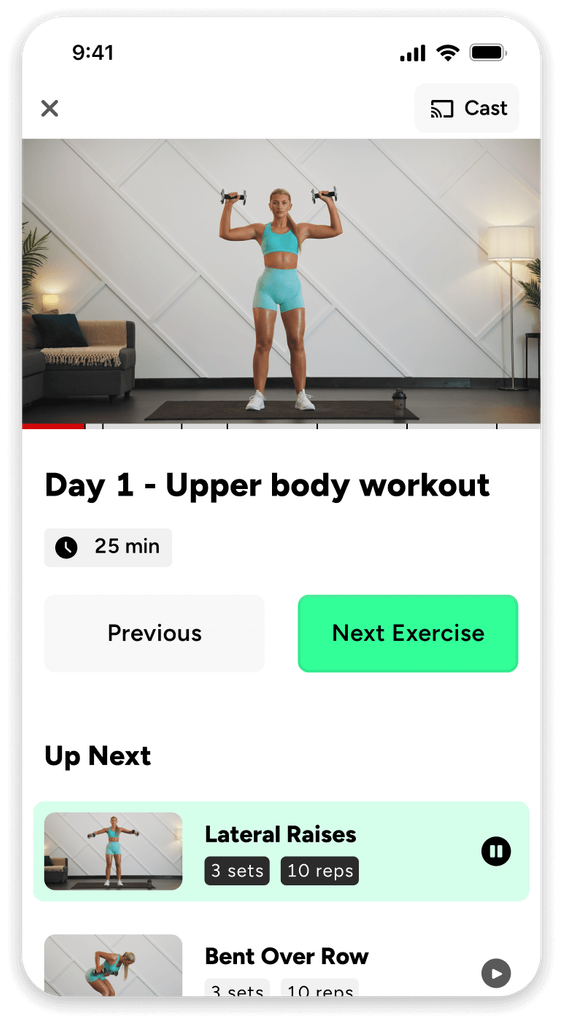
The dashboard and food tools within Team RH UK can help a person compare several days instead of treating one dinner as the entire week. If weekend intake is consistently much higher than planned, the useful question is why. Large gaps between meals, limited protein earlier in the day, alcohol or a lack of prepared food can all contribute. Identifying the pattern creates a practical adjustment instead of a moral judgement about the food itself.
Social eating also includes food that may be chosen mainly for enjoyment. A sustainable routine needs room for that. The person can decide which foods matter most and skip extras that are eaten only because they are available. This is different from labelling foods as good or bad. It is simply a way of making the meal intentional.
Checks That Keep Weekend Tracking Balanced
- The person should keep at least one or two familiar meals in the day when an evening meal is less predictable.
- Protein, fibre and fluids should remain part of the routine rather than disappearing because the day is social.
- A Team RH UK food entry can be a reasonable estimate when exact restaurant nutrition is unavailable.
- One higher-calorie meal should not trigger fasting, punishment workouts or unnecessary restriction the next day.
- Progress should be reviewed across several days so normal fluctuations are not mistaken for immediate fat gain.
Return to the Normal Routine Without Starting Over
The most important weekend skill is the ability to return to ordinary habits. Monday does not need a new plan because Saturday included a restaurant meal. The person can resume normal portions, usual movement and familiar tracking. This prevents the weekend from becoming a repeated stop-and-start cycle in which every social event is followed by a dramatic reset.
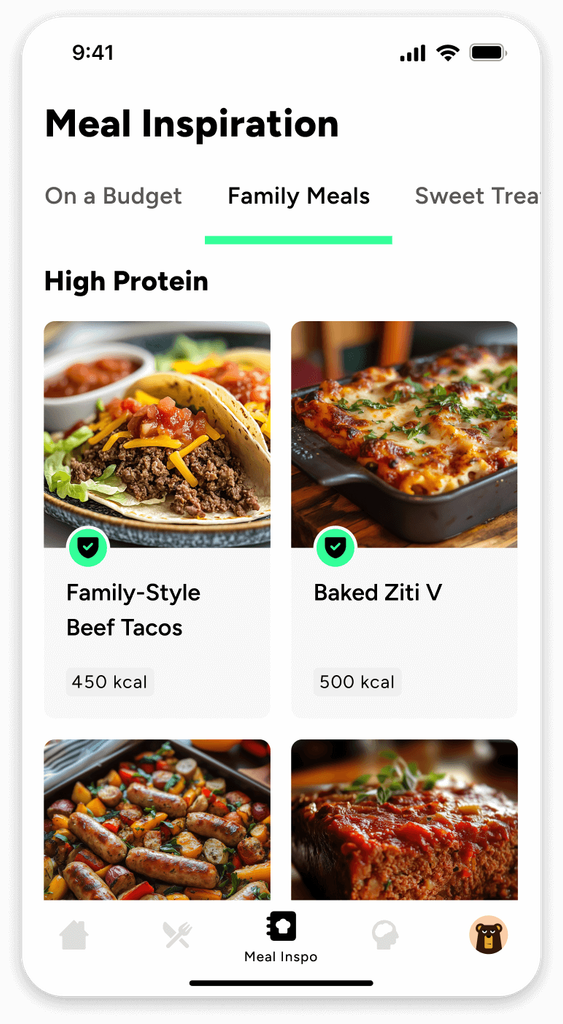
Preparation can make that return easier. A few ingredients in the fridge, a planned lunch and a simple evening meal remove the pressure to make another spontaneous food decision when the weekend ends. Optional workouts and step goals can also return gradually rather than being used to compensate for food. Activity supports fitness, mood and routine, but it should not become repayment for eating.
A sustainable tracking system should survive birthdays, dinners and weekends away. Team RH UK can provide structure through logging, recipes, movement and progress tools, but the person still decides how those tools fit real life. When flexibility is planned, estimates are accepted and the normal routine returns quickly, social meals can remain part of a consistent approach rather than becoming a reason to abandon it.


Leave Your Comment