
Electric scooters combine batteries, brakes, tyres, folding hardware and electronic controls in one compact vehicle. Regular inspection matters because small changes in tyre pressure or brake feel can affect handling before a major fault becomes obvious. iSinwheel sells everyday, long-range and off-road scooters in the UK, so maintenance should follow the exact model while also respecting the legal limits that apply to privately owned e-scooters.
Start Every Ride With the Parts That Affect Control
Tyres should be checked before speed or range. Pneumatic tyres need the pressure specified for the model, measured with a suitable gauge rather than estimated by hand. Low pressure can increase rolling resistance and make rim damage more likely, while excessive pressure can reduce comfort and alter grip. Solid tyres remove inflation checks but still need inspection for wear, cuts and embedded objects.
A rider using iSinwheel equipment should also test the brakes before moving into open space. Levers should feel consistent and the scooter should slow predictably. Scraping, weak braking or a lever that suddenly travels farther than usual deserves attention. Cables, discs and electronic braking systems should be maintained according to the model instructions rather than adjusted through guesswork.
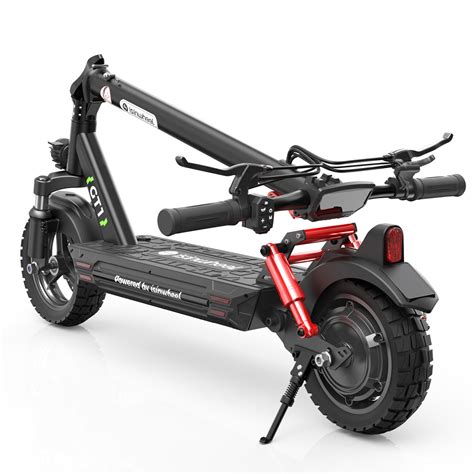
The folding mechanism needs a physical check because repeated transport can loosen parts gradually. Latches should close completely and the stem should not show unusual movement. Handlebars, grips and any adjustable components should feel secure. A few seconds of inspection can reveal a change before it becomes a problem during a ride.
Treat Battery Care as Routine Maintenance
Battery condition influences both range and reliability. The correct charger should be used on a dry stable surface away from excessive heat and combustible clutter. A damaged cable, swollen battery housing, unusual smell or abnormal heat should be treated as a reason to stop using the scooter until it can be assessed properly.
The range at iSinwheel includes models with different motor and battery capacities, which means charging time and realistic distance can vary substantially. Published range should be treated as a reference measured under particular conditions. Rider weight, hills, tyre pressure, temperature and acceleration can reduce the distance achieved in ordinary use.
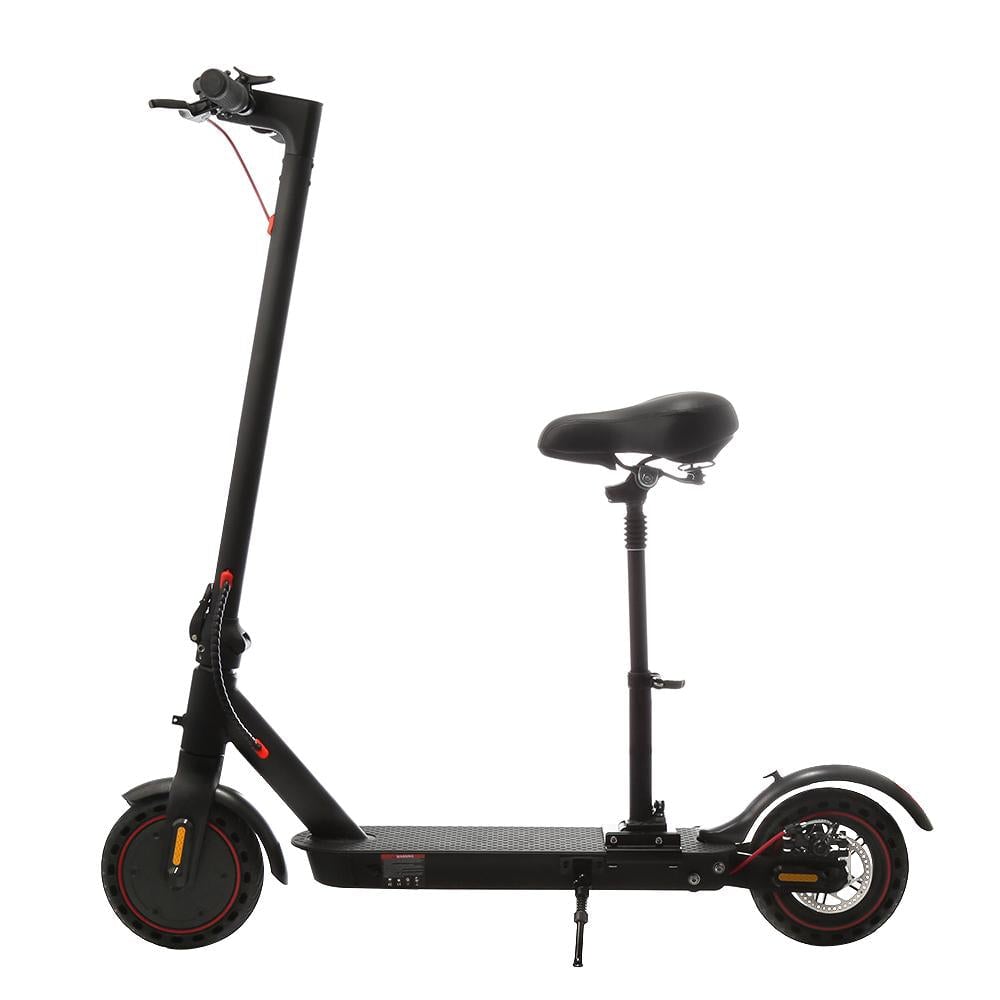
Storage affects the battery as well. The scooter should remain dry, protected from impact and kept where it does not block an exit route. Long-term charging guidance should come from the exact model instructions. Leaving a scooter unused for a long period without considering battery state can be less appropriate than following the manufacturer’s storage recommendation. Fasteners and suspension components also deserve periodic attention on models designed for rougher surfaces. Repeated vibration can reveal looseness that is not obvious during a stationary glance. The rider should follow the maintenance schedule for the exact model and avoid tightening critical parts beyond the specified procedure. Brake pads and tyres are wear items, so replacement should be planned before performance falls sharply. The owner should know where model-compatible parts and service support are available before regular use depends on the scooter. This makes routine faults less disruptive and easier to address promptly.
Checks That Support Safer Private-Land Riding
- The rider should confirm that the location is private land and that the landowner permits the scooter to be used there.
- Tyres, brakes, lights and folding hardware should be checked before the scooter is ridden.
- An iSinwheel scooter should be charged only with suitable equipment and taken out of service if battery damage is suspected.
- Protective equipment should fit correctly and the rider should adapt speed to surface, visibility and experience.
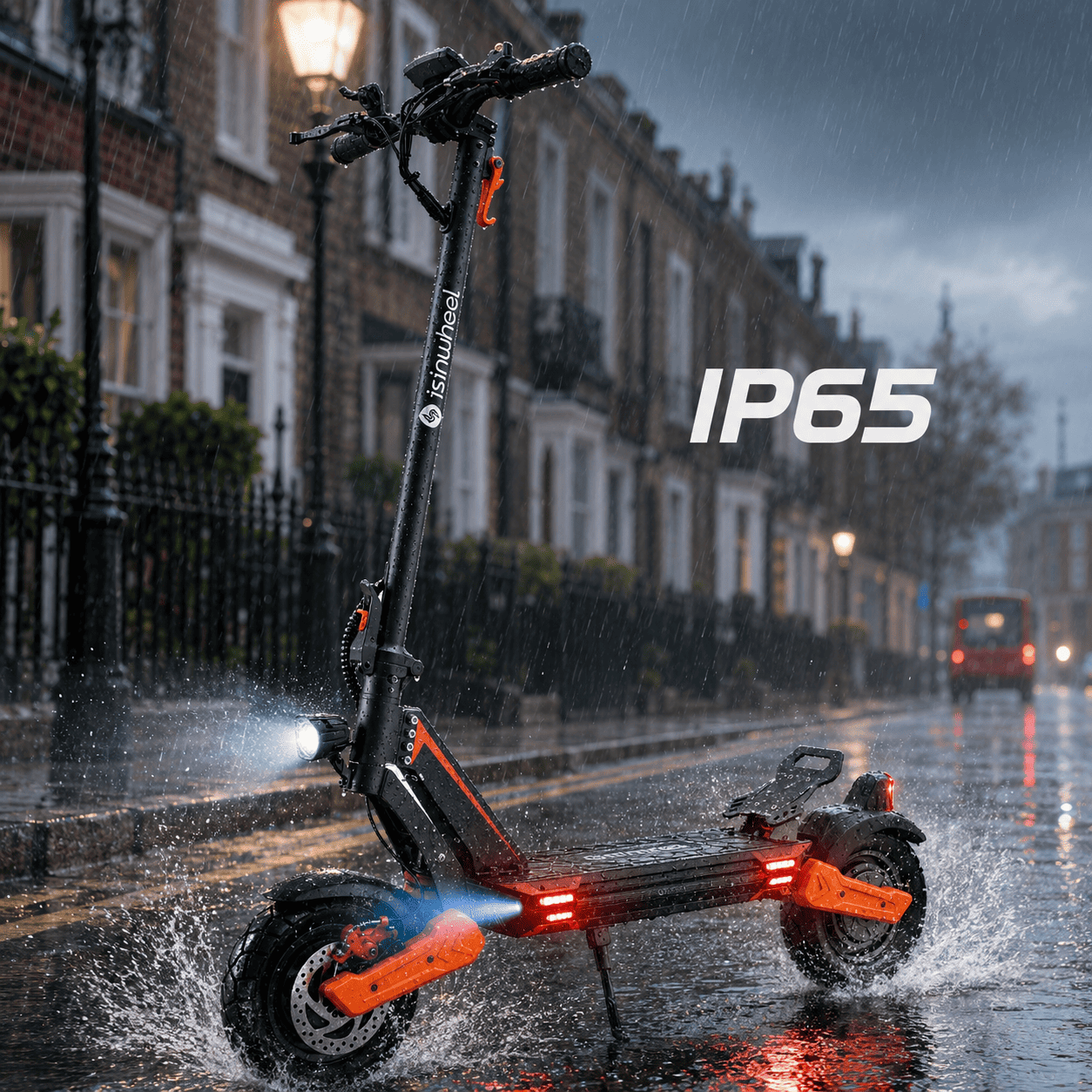
- Water resistance should never be interpreted as permission for deep water, pressure washing or careless wet-weather use.
Keep a Simple Record Instead of Waiting for Failure
Regular riders can note tyre pressure checks, brake adjustments and any recurring noise or vibration. The record does not need to be detailed. Its value is showing gradual changes that may be missed when the scooter is used frequently. A tyre that needs air unusually often or a brake that repeatedly needs adjustment may indicate a problem beyond ordinary maintenance.
Cleaning should remain gentle and should protect electrical openings and charging ports. Dirt around hinges and moving parts can be removed carefully without soaking the vehicle. Someone maintaining the scooter should use compatible replacement parts and seek suitable service when the work exceeds basic inspection. Modification for extra speed or power can create mechanical, electrical and legal risks.
Regular maintenance does not make private e-scooters legal on public roads, pavements or cycle lanes where the law prohibits them. iSinwheel itself highlights the importance of checking UK rules, and riders should verify official guidance before choosing where to use a scooter. On permitted private land, a short inspection routine can still make ownership more predictable by keeping tyres, brakes, batteries and folding hardware under regular observation.



Leave Your Comment