
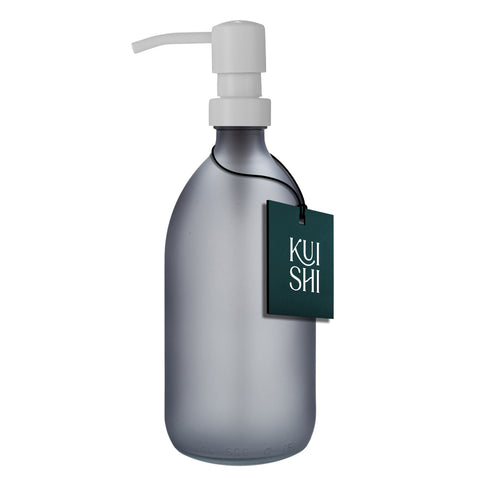
Refillable dispensers can reduce packaging clutter and create a more consistent bathroom or kitchen, but the system needs clear labels and basic hygiene to remain practical. Shampoo, conditioner, hand wash and dish soap can look similar once they are moved out of branded packaging. Kuishi offers refillable glass dispensers, storage jars, spray bottles and holders designed for repeated use, so organisation matters as much as appearance.
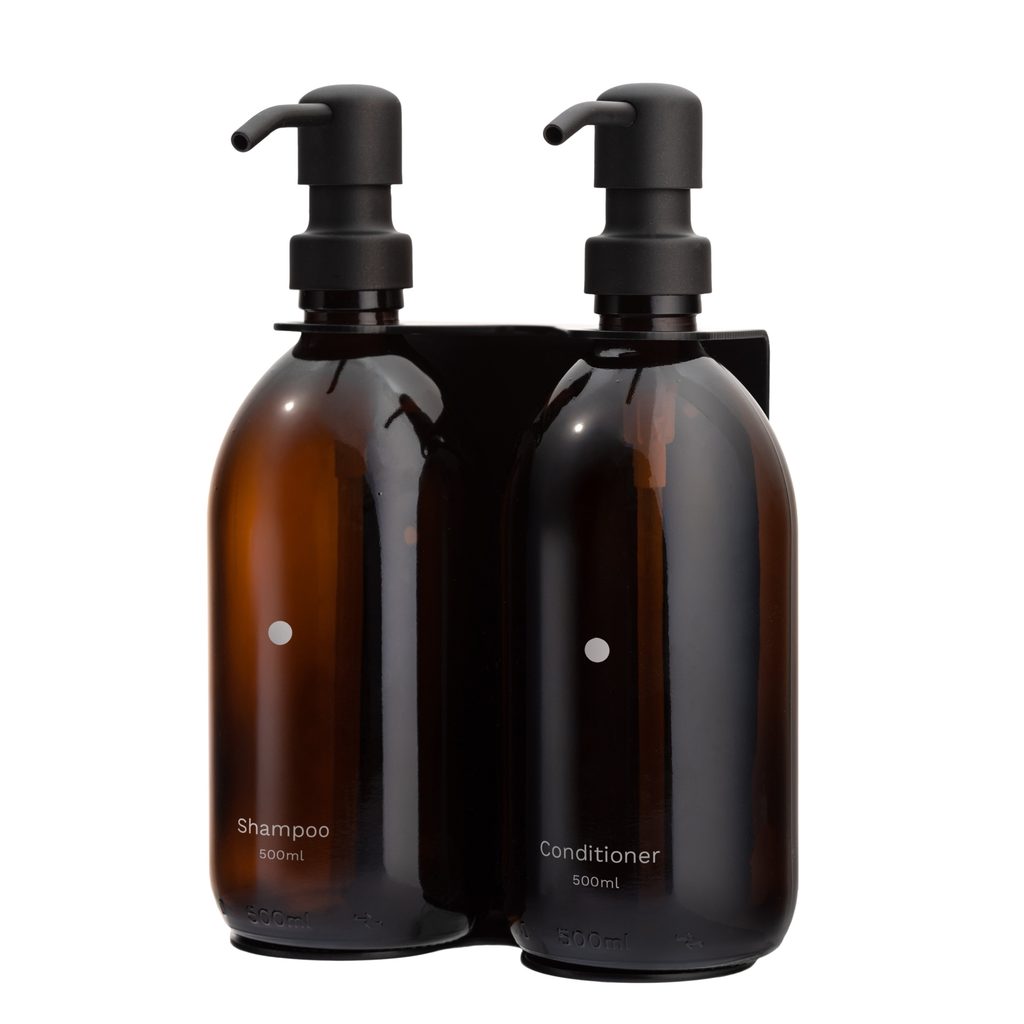
Assign One Bottle to One Product Type
The simplest rule is to give each dispenser one permanent role. A bottle labelled hand wash should remain hand wash rather than becoming dish soap the following month. This reduces the chance of residue mixing with a different formula and makes refilling faster because the household does not need to remember the bottle’s previous contents.
Someone using Kuishi can choose printed or clearly labelled dispensers for shampoo, conditioner, body wash, hand wash and dish soap. Consistent labels are especially useful in guest bathrooms and shared homes where another person may not know the system. Decorative similarity should never make the contents ambiguous.
Bottle size should match the rate of use. A frequently used kitchen hand wash may justify a larger dispenser, while a product used only occasionally may be better in a smaller format. Oversized containers can hold product for too long, while very small bottles create constant refilling. The aim is a refill interval that feels convenient without encouraging unnecessary stock. Pump style matters too. A thicker conditioner may need a dispenser designed to handle a more viscous formula, while a fine spray bottle is intended for much thinner liquids. Matching the mechanism to the product reduces frustration and lowers the temptation to dilute a formula in a way the manufacturer never intended. The household can also keep a small refill funnel with the bulk supplies so product reaches the bottle cleanly. Wiping the neck and pump after filling reduces sticky residue and keeps labels easier to read over repeated cycles. A short refill routine also helps the household notice damaged pumps, chipped glass or worn labels before the container returns to daily use.
Clean and Dry Before Changing or Refilling
A refillable bottle still needs maintenance. The pump neck and exterior collect residue through normal use, and the inside may need cleaning according to the material and product type. Simply pouring fresh product onto a thick layer of old residue can make the bottle harder to keep clean over time.
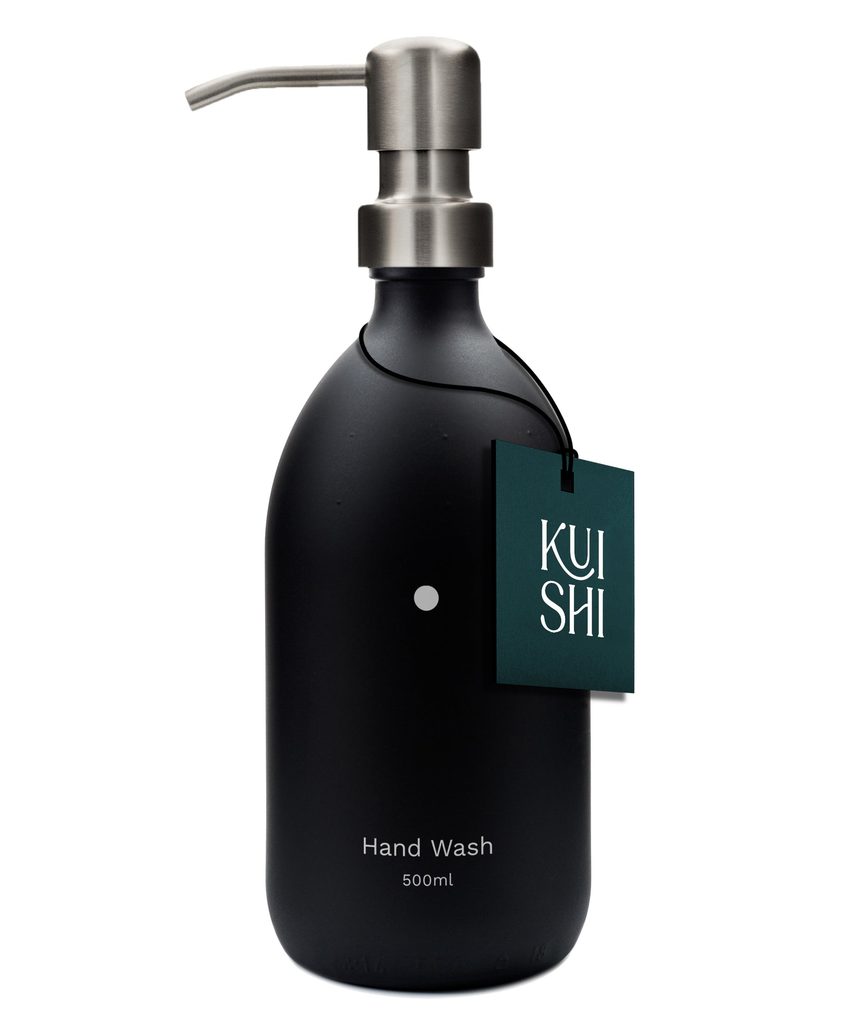
Glass and pump components within the Kuishi range should be cared for according to the product instructions. The household should rinse or clean only when appropriate, allow components to dry when required and avoid harsh methods that may damage finishes, seals or printed labels. Pumps should be checked for blockages rather than forced when thick products stop flowing easily.
Cross-contamination is most relevant when the bottle changes purpose, which is another reason to avoid frequent switching. If a dispenser must be reassigned, it should be cleaned thoroughly enough for the new product and allowed to dry as appropriate. Any formula with specific storage or packaging requirements should remain in its original container instead of being transferred for appearance alone.
Checks for a Clear Refill System
- Every dispenser should have a label that remains easy to read in the room where it is used.
- One bottle should keep one product role whenever possible to reduce residue mixing and confusion.
- A Kuishi dispenser should be cleaned and maintained according to its material, pump finish and intended use.
- Bulk refills should be stored securely with their original labels and ingredient information available.
- Products with special packaging or safety instructions should not be decanted simply to create a matching appearance.
Keep Bulk Refills Separate From Daily-Use Bottles
A refill system works best when large containers stay in a cupboard and only the working amount sits near the sink or shower. This reduces clutter and protects bulk products from constant handling. A small shelf or tray can group the daily dispensers while larger refill packs remain elsewhere with their labels intact.
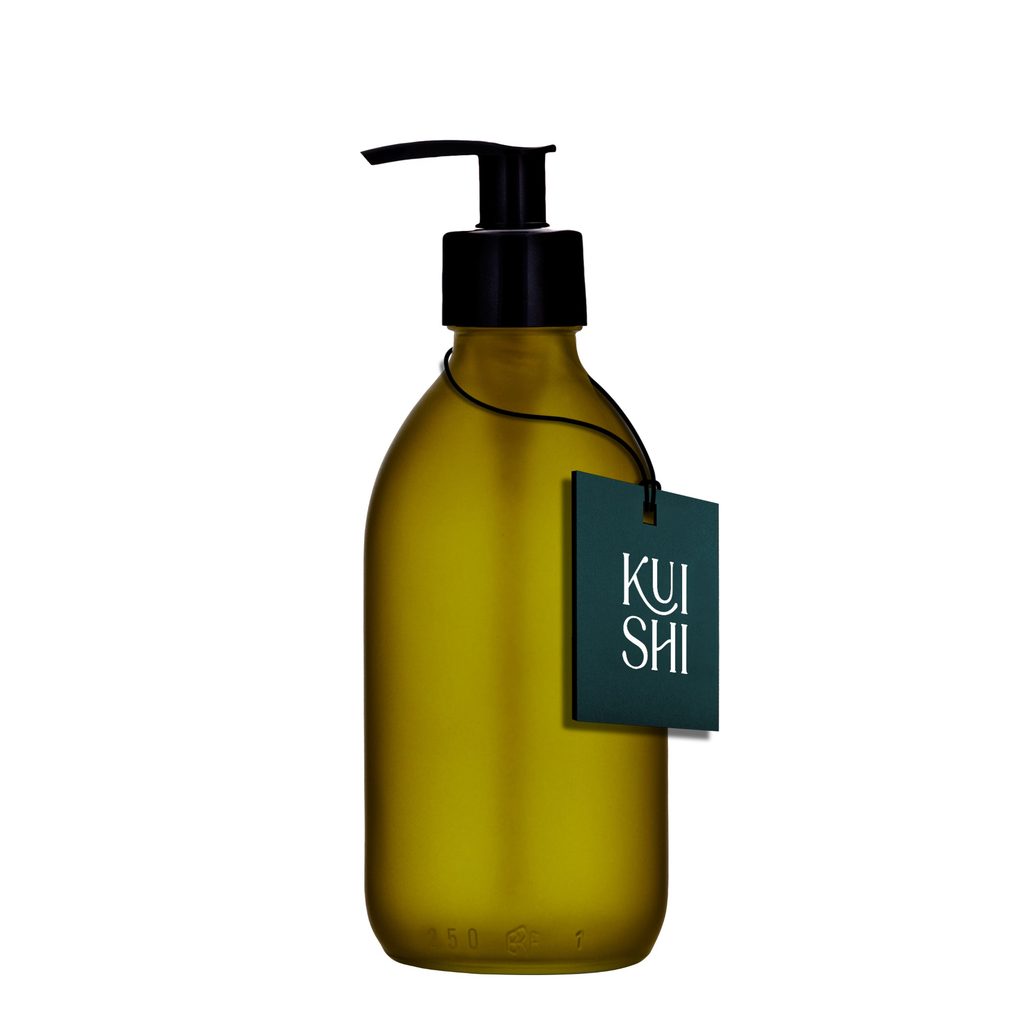
The broader range includes holders, jars and spray bottles that can extend the same visual system, but every added container should still have a practical purpose. A matching jar is useful when it stores something that genuinely needs accessible storage. It becomes clutter when it exists only to fill an empty part of the counter.
Refillable organisation succeeds when it stays understandable to everyone who uses the space. Kuishi can help create a consistent look, but the system depends on permanent labels, suitable cleaning and disciplined product roles. When bulk supplies are stored separately and daily bottles are easy to identify, a refill routine can reduce packaging clutter without replacing branded bottles with a new source of confusion.

Leave Your Comment