
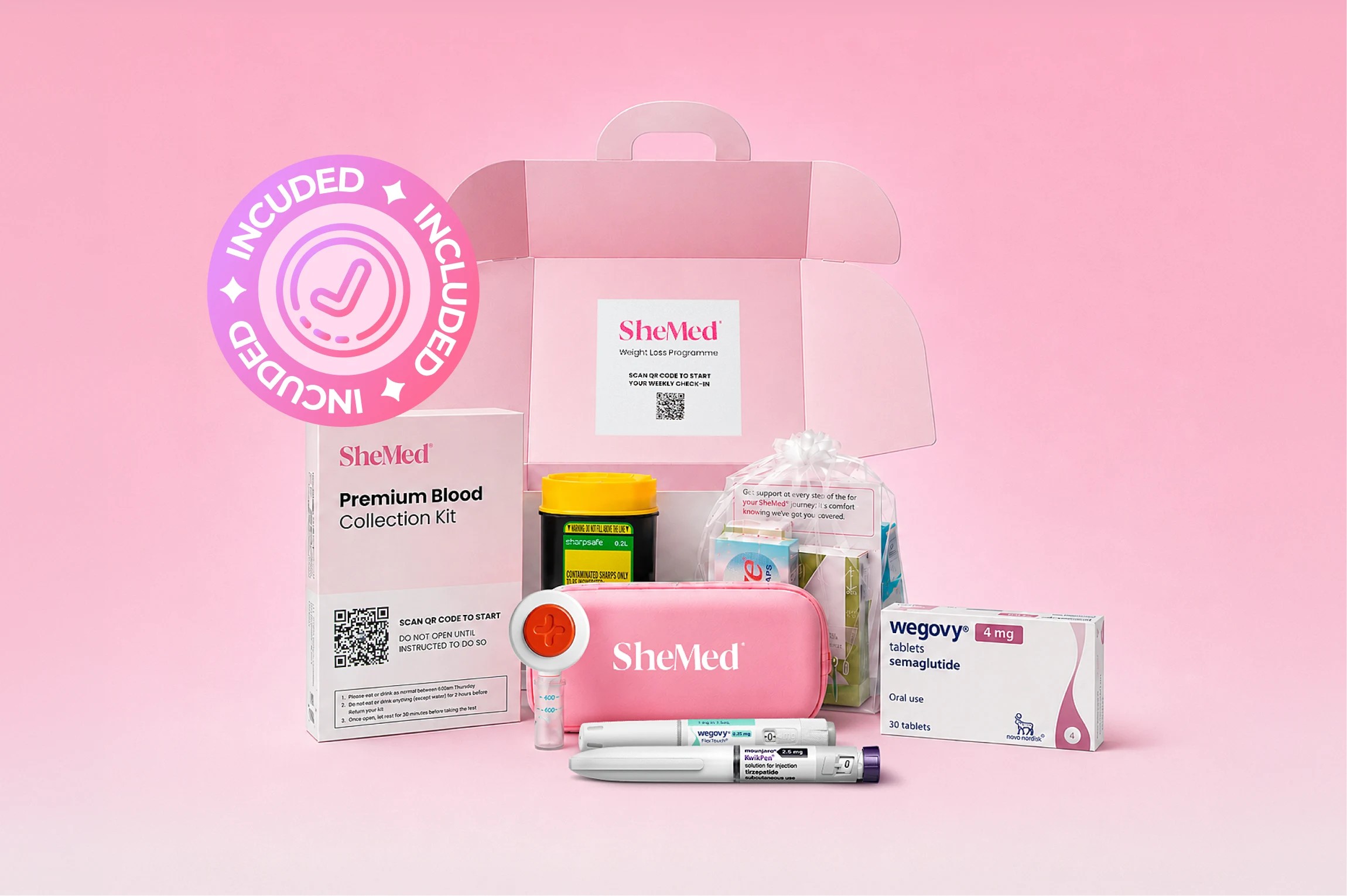
Home blood testing is most useful when the collection process is prepared carefully before the kit is opened. This article focuses on an at-home metabolic blood test used as part of clinician-led weight management and health monitoring. Instead of treating every feature as equally important, it concentrates on getting the sample process right and reserving interpretation for qualified clinicians who can view the result alongside medical history. A person using SheMed should still judge the routine by whether it remains clear, manageable and appropriate after the first few days. That means separating essential steps from optional ones, keeping useful records where necessary and noticing when the plan needs to change. The same principle applies whether the issue is storage, maintenance, planning, fit or follow-up. A system that is easy to repeat is usually more valuable than a complicated one that is abandoned quickly.
Get Familiar With the Kit Before Collection Day
Preparation quality rests first on timing instructions, food or fasting directions if provided and hydration. These are the details most likely to reveal whether the current setup is working as intended. They also provide a practical signal for when an adjustment is justified. Without that baseline, people often change several things at once and then cannot tell which change improved or worsened the result.
The collection process is smoother when the patient can open the kit early enough to read every step, choose a calm time with good lighting and then prepare labels and packaging before collecting the sample. SheMed fits best when those actions remain easy to carry out in the real environment rather than only in theory. The process should be documented where that helps, especially if another person may need to understand the setup later. Keeping the first stage straightforward leaves more attention for the details that genuinely need judgement.
Protect Sample Quality From Collection to Return
After collection basics are settled, attention can shift toward sample labelling, return packaging and current medicines and symptoms. These secondary details often explain why two people can use a similar product or service and have very different experiences. The practical response is to follow the specified order for collection, then send the sample within the stated window and finally write down questions for the result review. That sequence keeps the system responsive without turning every small change into a complete restart.
Home testing becomes unreliable when preparation steps are borrowed from a different kit. Assuming all home tests use the same preparation can create confusion, while changing medicines to influence a result may add unnecessary cost or effort. SheMed is more useful when the person knows which signs deserve attention and which are normal variations. A short review at regular intervals can catch those issues early and keep the system aligned with the original purpose.
One imperfect sample day does not justify changing the wider health plan without clinical context. A single difficult day does not automatically mean the entire routine is wrong, especially when food or fasting directions if provided or return packaging can change from one situation to another. The useful question is whether the same issue repeats. If it does, the person can revisit choose a calm time with good lighting or another specific step instead of changing everything at once. That keeps troubleshooting focused and preserves the parts that are already working.
Final Details to Confirm Before Sealing the Package
- Follow the instructions supplied with the exact test rather than advice from another kit.
- Do not stop prescribed medicine unless a clinician has specifically told the patient to do so.
- With SheMed, the name, date and sample labels should be checked before the return package is sealed.
- Keep a note of the collection time if the instructions ask for it.
- Use the follow-up appointment to ask what the results mean in the context of symptoms and medical history.
Let the Clinical Review Put the Numbers in Context
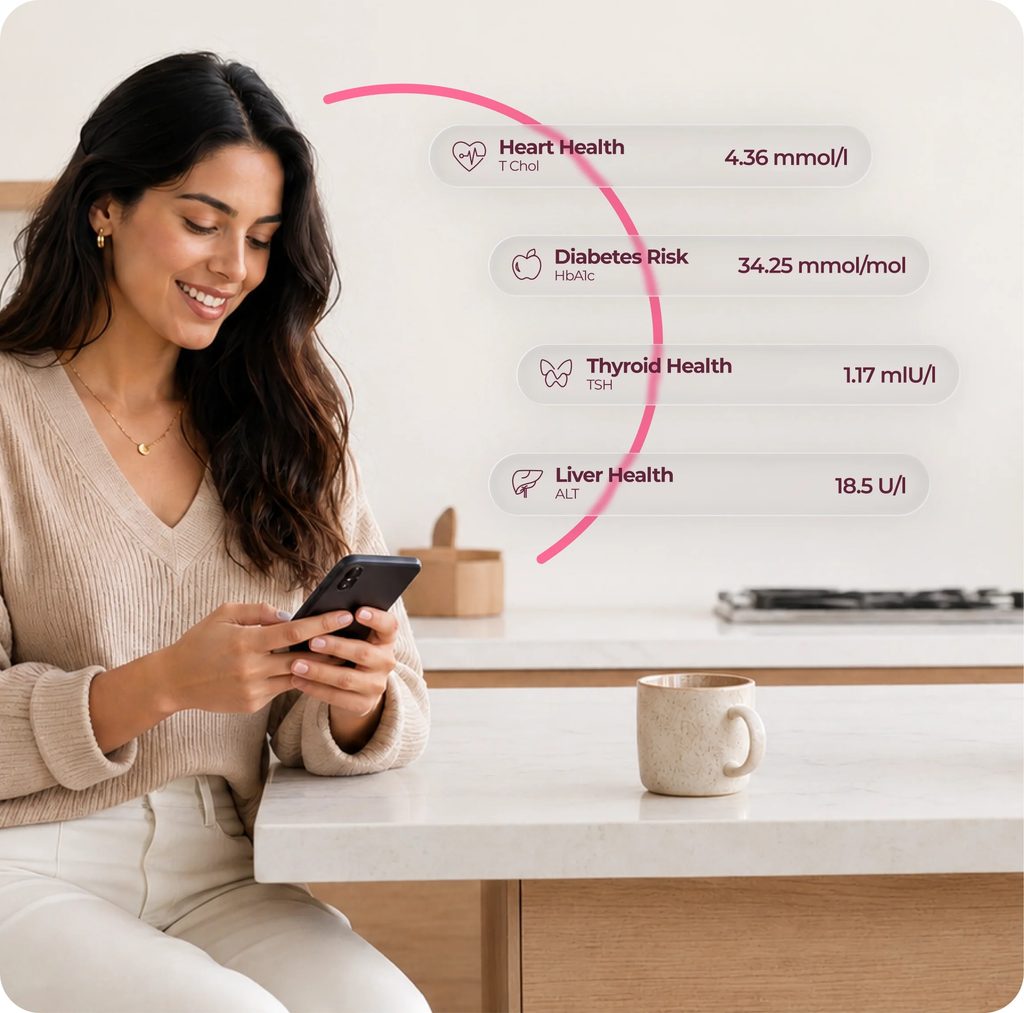
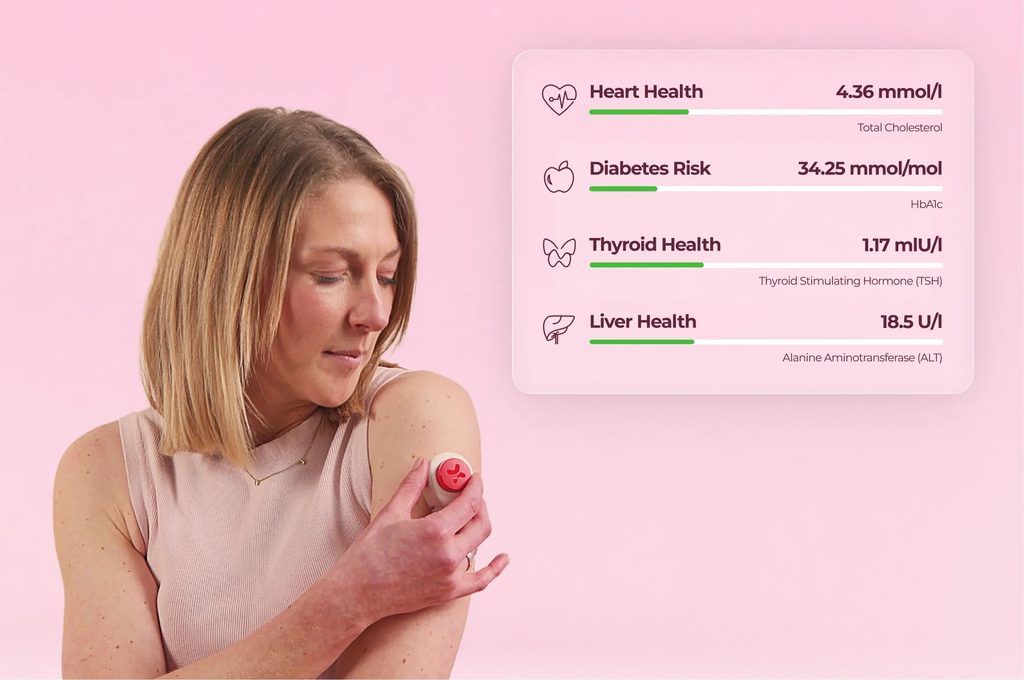
The programme describes at-home blood screening as part of its wider programme, but a laboratory value is only one part of an assessment. The point is to connect the laboratory step with the wider assessment rather than to treat one number as a verdict. Reference ranges do not by themselves explain why a result is high or low. The system should still be reviewed with ordinary life in mind. Busy weeks, travel, visitors, weather or changes in health can all expose weaknesses that are invisible during a carefully planned first attempt.

Within a clinician-led programme such as SheMed, clear notes about timing and questions make the follow-up easier to use well. It is also sensible to send the sample within the stated window and write down questions for the result review when those steps apply. Small records are often enough. A date, measurement, label or short note can preserve the information needed for the next decision without creating a large administrative task.
If a sample is inadequate or delayed, repeating the test correctly is more useful than trying to draw conclusions from an unreliable specimen. A routine that remains useful should therefore be simple enough to repeat and specific enough to catch meaningful changes. That balance makes it easier to maintain confidence in the setup because the person knows what is being checked, why it matters and when a different course of action would be appropriate.



Leave Your Comment