
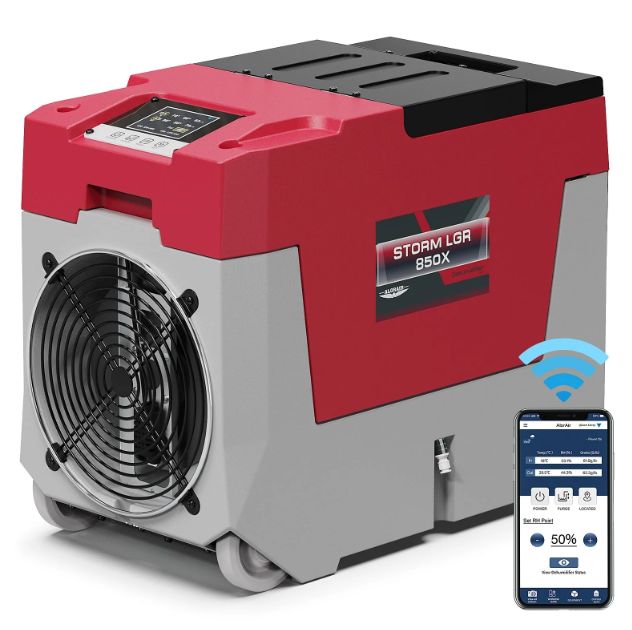
Excess moisture can turn an otherwise comfortable property into a difficult environment to maintain. Basements can feel damp, crawl spaces may develop persistent humidity, and water-damaged areas can require considerable time and equipment to dry properly. ALORAIR offers equipment designed to address these challenges through moisture control, air movement, and air filtration. With solutions intended for both residential and professional applications, the brand provides practical options for people who want greater control over indoor humidity and drying conditions.
ALORAIR is particularly associated with dehumidification and restoration equipment. Rather than simply making a room feel cooler or warmer, dehumidifiers are designed to remove excess moisture from the air. This can be especially valuable in enclosed or naturally humid spaces where ordinary ventilation may not be enough.
Why Managing Excess Humidity Matters
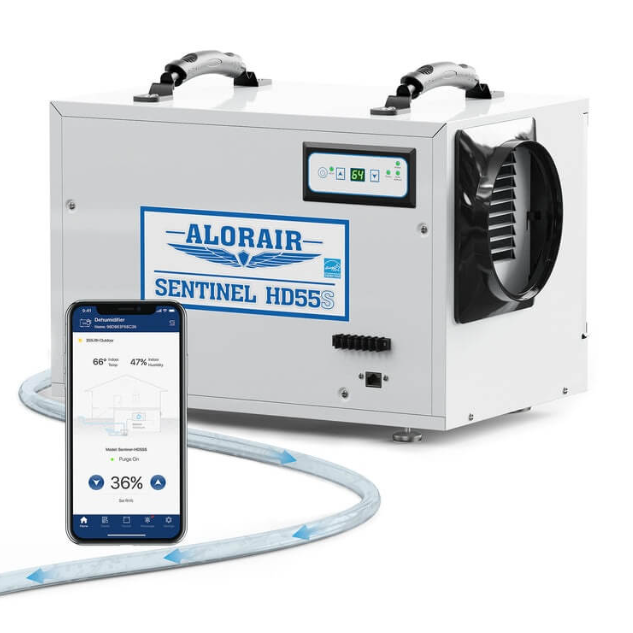
Humidity is necessary to some degree, but excessive indoor moisture can create problems. Condensation, damp surfaces, musty smells, and deterioration of certain materials can all be associated with prolonged moisture exposure. Persistently damp conditions can also contribute to an environment where mold may grow if the necessary conditions are present.
A dehumidifier helps by drawing humid air into the unit, removing moisture, and returning drier air to the surrounding environment. Over time, this process can help bring humidity to a more manageable level.
The objective should not be to make indoor air excessively dry. Instead, effective moisture management involves maintaining appropriate humidity for the building, climate, and intended use of the space.
ALORAIR Dehumidifiers for Different Environments
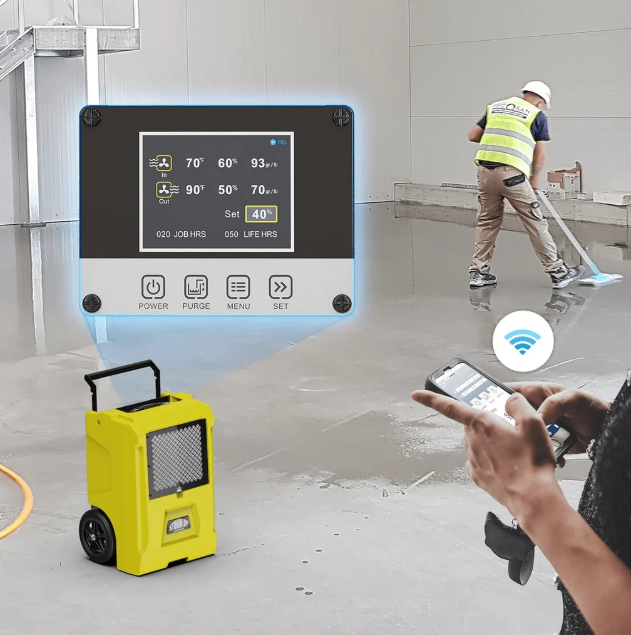
One of ALORAIR‘s major areas of focus is dehumidification. Moisture problems are not identical from one property to another, so choosing equipment suited to the environment is important.
Basements are common candidates for dehumidification because they are located below ground and can be more susceptible to moisture. A properly selected dehumidifier can help manage humidity and make the basement feel less damp.
Crawl spaces present another challenge. Their limited size, restricted airflow, and proximity to the ground can make moisture management particularly important. Equipment designed for these environments can provide ongoing dehumidification without requiring the same setup as a conventional living space.
ALORAIR also serves commercial and restoration applications where larger drying demands may require more specialized equipment.
Drying After Water Damage
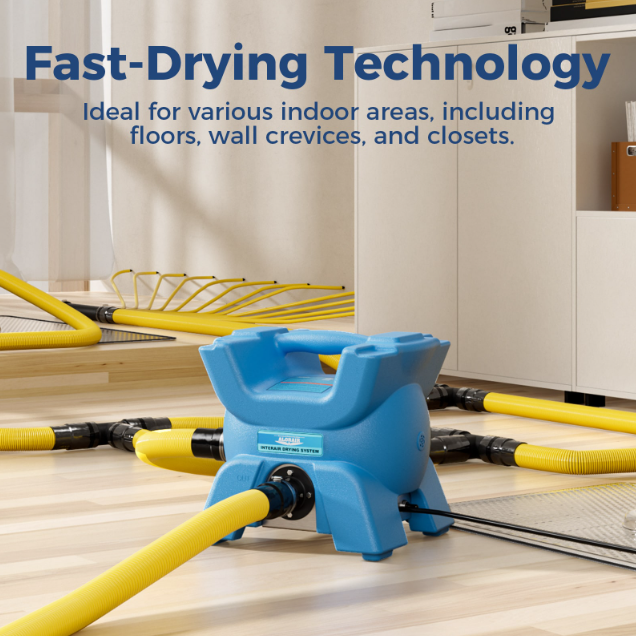
A burst pipe, leaking appliance, roof problem, or flooding event can introduce significant moisture into a property. Removing standing water is an essential first step, but it does not necessarily mean that the area is completely dry. Moisture may remain in the air, flooring, walls, furnishings, and other materials.
Dehumidification can form one part of a structured drying process. By reducing moisture in the surrounding air, a dehumidifier can support continued evaporation from damp materials.
ALORAIR also offers air-moving equipment for drying applications. Air movers circulate air across wet surfaces, while dehumidifiers remove moisture from the air. Used appropriately, the two types of equipment can complement each other during restoration work.
Serious water damage should still be professionally assessed when necessary, particularly where contaminated water, structural damage, electrical hazards, or mold may be involved.
Air Scrubbers for Restoration and Renovation
Moisture is not the only consideration during a restoration project. Dust and airborne particles can also become concerns during construction, renovation, cleanup, and remediation work.
ALORAIR‘s range includes air scrubbers intended for filtration applications. These machines draw air through filtration systems to help capture certain airborne particles. They can be useful as part of an appropriately designed air-management strategy on restoration and construction sites.
Users should select filters and equipment based on the particular environment and contaminants involved. An air scrubber should not be treated as a universal solution for every indoor air-quality problem.
Designed with Practical Applications in Mind
Moisture-control equipment may need to operate for extended periods, so usability matters alongside drying capability. Depending on the individual ALORAIR model, features may be available to make drainage, monitoring, movement, or ongoing operation more convenient.
Continuous drainage, for example, can be useful when a dehumidifier needs to operate for long periods. Instead of repeatedly emptying collected water manually, an appropriate drainage arrangement can make ongoing operation easier.
Portability is another consideration for contractors and restoration professionals. Equipment that can be transported between rooms or job sites may be more practical for users who regularly work in changing environments.
Because features differ between products, buyers should always review the specifications of the exact ALORAIR model they are considering.
Choosing the Right ALORAIR Equipment
A powerful machine is not automatically the best choice for every situation. Effective moisture management starts with understanding the environment.
Room or property size, current humidity, temperature, drainage availability, airflow, and the source of moisture should all be considered. A crawl-space installation, for example, can require a different approach from drying a room after a plumbing leak.
It is equally important to investigate why excessive moisture is present. A dehumidifier may control humidity, but it cannot permanently repair a leaking pipe, damaged roof, foundation problem, or inadequate exterior drainage.
A Complete Approach to a Drier Space
ALORAIR‘s combination of dehumidifiers, air movers, and filtration equipment allows users to approach drying from several directions. Dehumidification removes moisture from the air, air movement supports evaporation, and suitable filtration can help manage airborne particles in relevant environments.
For homeowners, these solutions can support better management of basements, crawl spaces, and other humidity-prone areas. For restoration professionals, specialized drying equipment can become part of a larger process for dealing with water-damaged properties.
Conclusion
ALORAIR provides practical equipment for people who need to manage excess moisture and create appropriately drier indoor conditions. From crawl-space and basement dehumidification to professional restoration, air movement, and filtration applications, its product range addresses several common challenges associated with damp environments.
Creating dry air is ultimately about balance rather than eliminating humidity altogether. The right dehumidification equipment, combined with proper ventilation, maintenance, drainage, and repairs to underlying moisture sources, can make indoor spaces easier to manage. For homeowners and professionals looking for specialized moisture-control solutions, ALORAIR represents a brand focused on the equipment needed to tackle demanding drying environments.
Effective Moisture Control for a Drier, More Comfortable Space
ALORAIR has made managing excess humidity in my home much more convenient. The equipment is straightforward to operate and provides a practical solution for keeping moisture levels under better control. It has been particularly useful in areas that previously felt damp and difficult to maintain.
“I’m very satisfied with my experience using ALORAIR. The dehumidification equipment feels dependable and has made moisture management much easier. My space feels drier and more comfortable, and I appreciate having a solution I can rely on.”


Leave Your Comment