
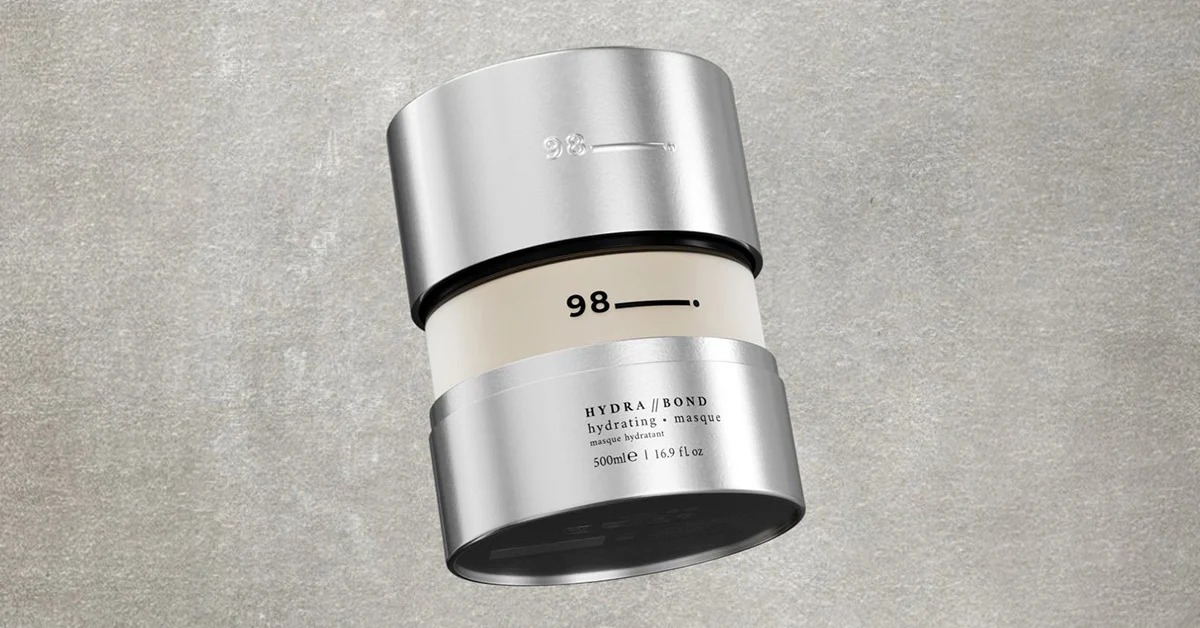
A focused haircare routine should improve manageability without filling the shower and dressing table with overlapping products. Cleanser, conditioner, treatment and finishing care can cover most needs when they are used in the right amount. People seeking a concise routine can explore No.98 Beauty for hydration, bond-focused care and frizz control.

Assess the Hair Before Choosing the Routine
Hair needs are shaped by texture, density, chemical treatment, heat styling and the condition of the scalp. Dry ends do not always mean that the scalp needs a richer shampoo. Fine hair may require hydration without heavy residue, while thick or textured hair may need more slip and conditioning. The routine should address different areas rather than treating every strand in exactly the same way. Water hardness, swimming and frequent use of dry shampoo can also influence how quickly residue appears and how often a deeper cleanse feels necessary.
The person should notice when tangling, roughness or breakage appears. Damage concentrated around the front may be linked to heat tools or tight styling. Dryness through the ends may reflect colour processing, friction or delayed trims. Frizz can come from humidity, dryness, texture or mechanical damage. Identifying the pattern helps each product serve a specific purpose.
People can review No.98 Beauty for shampoo, conditioner, hair masque, anti-frizz hydration and finishing oil within one streamlined range. The strongest routine will not necessarily use every item at every wash. It will assign regular products, occasional treatment and finishing care according to how the hair responds.
The scalp should remain part of the assessment. Persistent itching, flaking, soreness or sudden hair loss requires appropriate professional advice rather than repeated cosmetic experimentation. A hydrating masque can improve the feel of lengths, but it does not diagnose or treat a scalp condition. Products should stay within their intended use.
Use Each Product Where It Works Best
Shampoo belongs mainly at the scalp, where oil, sweat and product residue collect. The lather can move through the lengths during rinsing without aggressive scrubbing. A second cleanse may help after heavy styling products, but it does not need to happen automatically. Water temperature should feel comfortable because excessive heat can make already dry hair feel rougher.
Conditioner should be distributed through the mid-lengths and ends unless the label states otherwise. Detangling can begin gently with fingers or a wide-tooth comb while the product provides slip. Pulling through knots quickly can cause more breakage than the product can disguise. Rinsing should leave the hair soft without a heavy coating.
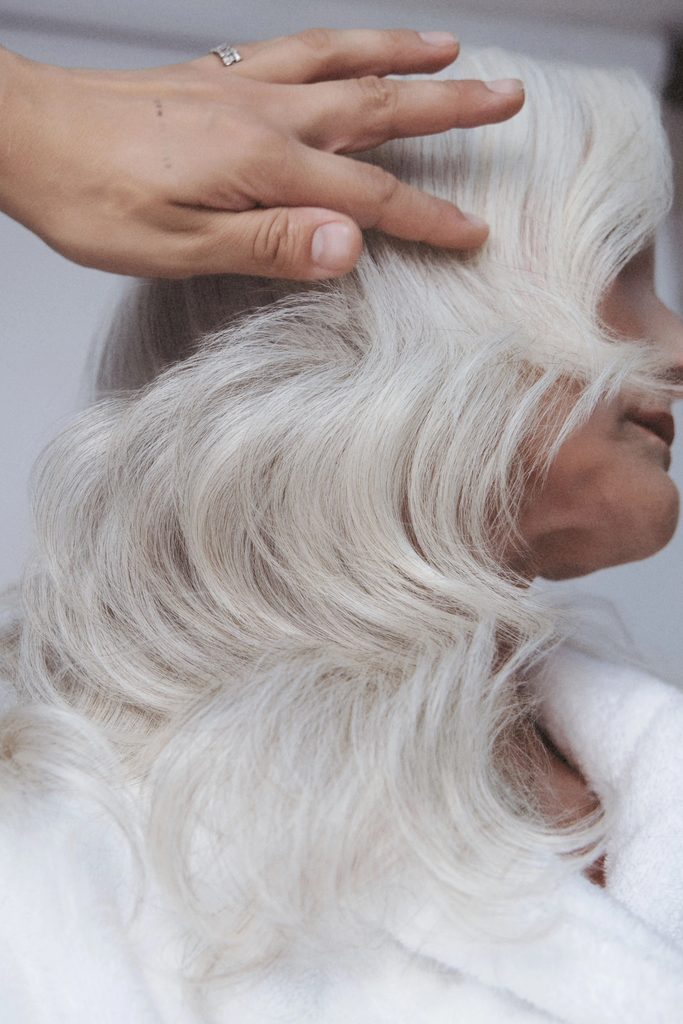
Someone building a coordinated routine can compare No.98 Beauty treatments and decide whether the masque replaces conditioner on selected wash days or follows it as directed. Treatment frequency should reflect hair condition and product guidance. Overloading fine hair can reduce movement, while underusing a treatment may limit the expected cosmetic benefit.
Finishing products need restraint. An anti-frizz formula may be applied before drying, while a small amount of oil can soften ends and add shine after styling. Starting with less makes distribution easier. More product can always be added, but removing excess usually requires another wash. Hands should be rubbed together before application so finishing products spread evenly instead of collecting on one visible section.
Checks for a Streamlined Hair Routine
These checks help each product earn a place without creating unnecessary layers.
- Shampoo should clean the scalp without encouraging rough handling of the lengths.
- Conditioner and masque should be concentrated where dryness and tangling are most noticeable.
- A person can explore No.98 Beauty while separating regular wash products from occasional intensive care.
- Heat protection and sensible tool temperature should remain part of any styling routine.
- Finishing oil should be applied in a small amount and kept away from roots when they become oily easily.
Protect the Result Between Washes
Drying technique can either support or undo the routine. Hair should be pressed gently with a soft towel rather than rubbed forcefully. Heat tools should be used with appropriate protection and the lowest effective temperature. Repeated passes over the same section increase exposure without always improving the finish.
Night care can reduce friction. A smooth pillowcase, loose protective style or gentle hair tie may help preserve the result for some hair types. The hair should not be pulled tightly while wet because wet strands can be more vulnerable to stretching and breakage. Any style should remain comfortable at the scalp.
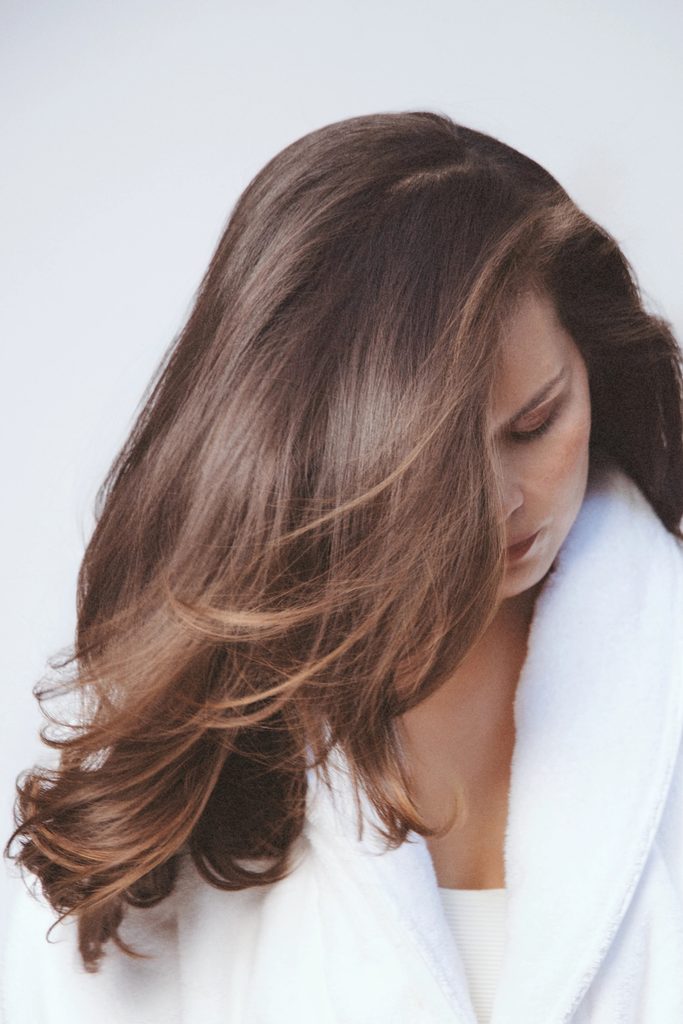
The routine should be reviewed after several washes rather than after one use. The person can consider softness, tangling, shine and how long the style remains manageable. If the hair becomes flat or coated, product amount or treatment frequency may need adjustment. If roughness continues, trimming damaged ends may provide more improvement than another layer of product.
A focused routine succeeds when the hair feels easier to handle and the steps remain realistic. People who want a concise selection of cleansing, conditioning and finishing products can explore No.98 Beauty and choose only the items that address an identified need.


Leave Your Comment