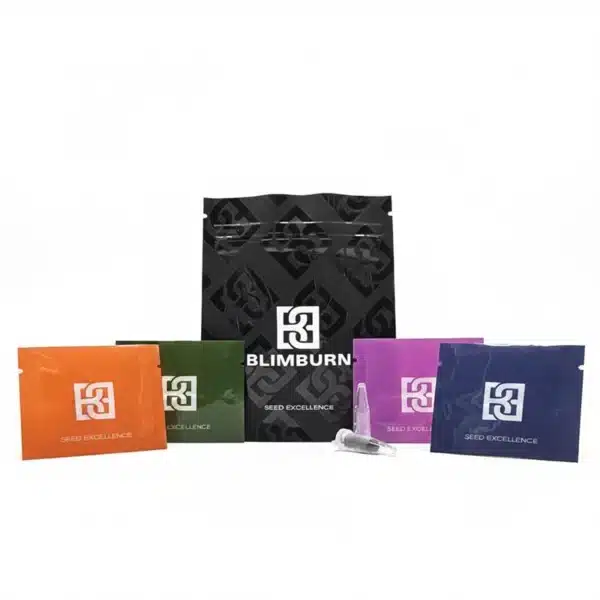
The modern cannabis seed market looks very different from the one that existed twenty years ago. Where catalogs once focused mainly on a relatively small number of recognizable strain families, today they can include hundreds of hybrids organized by genetic type, cannabinoid profile and lineage. Blimburn Seeds reflects that change particularly well. Operating since 2002, the brand now lists more than 1,200 genetics across categories ranging from regular and feminized seeds to autoflowering, F1, fast-flowering, CBD and CBG selections. Familiar names continue to appear alongside contemporary hybrids with completely different profiles, creating a catalog that connects cannabis heritage with newer breeding trends. For collectors and adults researching genetics where permitted by law, this combination offers an interesting look at how quickly the language and diversity of cannabis have evolved.
Heritage Genetics Keep Cannabis History Visible
Many modern hybrid names can ultimately be traced back to older genetic families that became influential across cannabis culture. Blimburn continues to list recognizable varieties such as Sour Diesel, Colombian Gold, Blue Dream and GG4 alongside newer creations.
These established names provide useful reference points because they connect contemporary catalogs with earlier eras of breeding. Even when newer hybrids appear very different, their lineage may still contain influences associated with well-known historical varieties.
Keeping these genetics visible helps the catalog feel less like a constantly changing trend list and more like an evolving record of cannabis breeding history.
Modern Hybrids Bring Multiple Influences Together
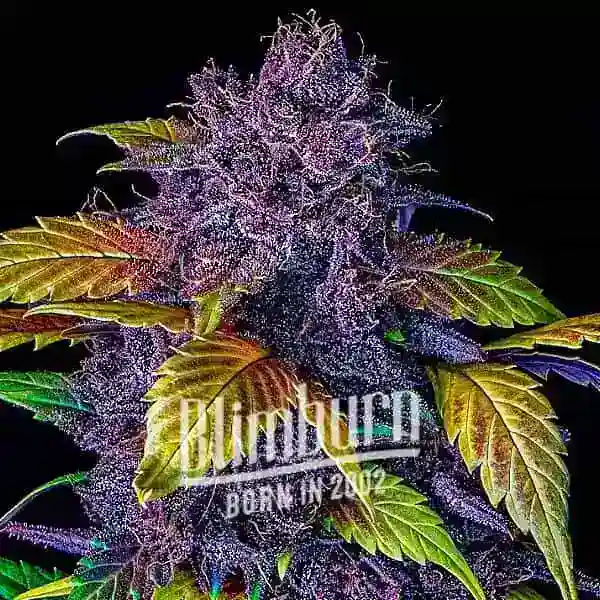
Hybrid genetics occupy a large part of Blimburn’s current collection. Names such as Fat Bastard, Future #1, Blackberry Moonrocks and Scrambler Haze illustrate how contemporary selections often combine several influences rather than fitting neatly into one traditional classification.
The brand commonly describes these products through an indica-sativa percentage alongside cannabinoid information. This provides a quick way to understand how a genetic line is positioned, although modern hybrids are usually more complex than one simple ratio suggests.
Looking at lineage alongside classification provides a fuller picture. A hybrid name may be new, while its underlying genetic relationships connect it to much older families.
A Quick Guide to the Language Used Across Blimburn Seeds
Understanding a few recurring terms makes the large catalog much easier to navigate.
- Feminized refers to lines developed around female reproductive expression.
- Autoflowering identifies genetics with a flowering pattern different from conventional photoperiod varieties.
- Regular refers to traditional seed genetics capable of producing male and female plants.
- Fast flowering identifies lines selected around comparatively shorter flowering characteristics.
- F1 indicates a first-generation hybrid classification within selected genetics.
- Mostly indica and mostly sativa describe broad lineage tendencies used throughout the catalog.
- Hybrid generally refers to genetics combining multiple lineage influences.
- CBD and CBG identify collections where these cannabinoids play a larger role in the listed profile.
- THCA appears as another modern cannabinoid-focused category within the store.
F1 Genetics Add a Newer Category to the Range
Blimburn’s current filters include both Feminized F1 and Autoflowering F1 categories, showing how the catalog continues to add newer breeding classifications alongside more familiar formats.
F1 generally refers to the first generation produced from two parental lines. Within commercial cannabis catalogs, the label has become increasingly visible as brands emphasize particular crosses and genetic combinations.
For people studying cannabis terminology, this category demonstrates how breeding language continues evolving. It adds another layer beyond the more established divisions of feminized, regular and autoflowering genetics.
Autoflowering Versions Reinterpret Familiar Names
One of the most noticeable developments in modern cannabis catalogs is the number of established strain names that now appear in autoflowering form. Blimburn lists autoflowering versions associated with genetics such as Bruce Banner, White Widow, Sour Diesel and GG4.
This allows one genetic family to appear across more than one category, making the catalog particularly interesting from a classification perspective. The name remains recognizable, but the reproductive and developmental traits represented by the autoflowering version are different.
These parallel versions show how modern breeding often focuses on adapting established genetics into new formats rather than abandoning familiar lineages entirely.

A Large Catalog Makes Filtering Especially Important
With more than 1,200 listed genetics, simply scrolling through the entire Blimburn catalog would be difficult. The website therefore organizes products through filters covering seed type, phenotype, cannabinoid levels and flavor categories.
This structure allows users to explore the collection according to the characteristics they are researching rather than relying only on product names. It also reveals how many variables are now used to classify contemporary cannabis genetics.
For collectors, good organization can be just as valuable as a large selection. Thousands of options only become useful when the differences between them are understandable.
Cannabis Genetics Always Come With a Legal Context
The legality of cannabis seeds depends heavily on location. Some jurisdictions may permit possession or collecting while imposing completely different restrictions on germination or cultivation.
Because of these differences, international availability should never be treated as universal legal permission. Adults interested in Blimburn Seeds should confirm the current laws that apply where they live before purchasing or using cannabis genetics.
Responsible interest in the category means understanding both the product and the regulations surrounding it. Legal awareness is not separate from cannabis research; it is an essential part of it.
A Catalog That Connects Cannabis Past and Present
Blimburn Seeds is interesting because its current collection does not represent only one period of cannabis breeding. Heritage names, modern high-profile hybrids, autoflowering adaptations and specialized cannabinoid lines all appear together.
That combination shows how the industry has expanded without completely abandoning its genetic history. Traditional varieties remain recognizable even as F1, CBD, CBG and other specialized categories continue developing around them.
For adults exploring cannabis genetics legally, Blimburn provides a broad reference point for understanding that evolution. More than simply a list of strain names, the catalog illustrates how ancestry, chemistry and modern breeding language have combined to create the increasingly complex world of cannabis genetics seen today.