Maintaining the right indoor environment involves more than controlling temperature. Moisture levels can have a major effect on the comfort and condition of homes, commercial buildings, basements, crawl spaces, and restoration projects. Excess humidity may contribute to condensation, musty odors, and moisture-related damage. ALORAIR focuses on air-quality and moisture-management equipment designed to help users create drier, more manageable indoor spaces.
With products such as dehumidifiers, air movers, air scrubbers, and other restoration equipment, ALORAIR serves homeowners and professionals looking for practical ways to manage challenging indoor conditions. Its emphasis on moisture control makes the brand particularly relevant for basements, crawl spaces, water-damage restoration, construction environments, and other areas where damp air can become a persistent problem.
Understanding the Importance of Dry Air
Humidity is a natural part of the atmosphere, but excessive indoor moisture can create uncomfortable conditions. Damp spaces may develop condensation, unpleasant odors, and an environment that can encourage mold growth when other conditions are suitable. Building materials, stored belongings, furniture, and finishes can also be affected by prolonged exposure to moisture.
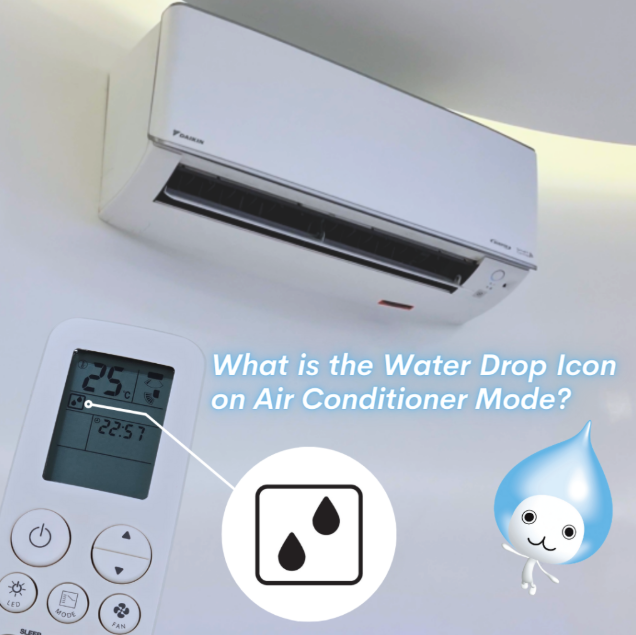
Creating appropriately drier air is therefore about maintaining balanced humidity rather than removing all moisture from an indoor environment. Dehumidification equipment draws moisture from the air and helps users maintain conditions suitable for the particular space.
ALORAIR provides equipment aimed at making this moisture-control process more convenient across different residential and professional applications.
Dehumidifiers for Challenging Spaces
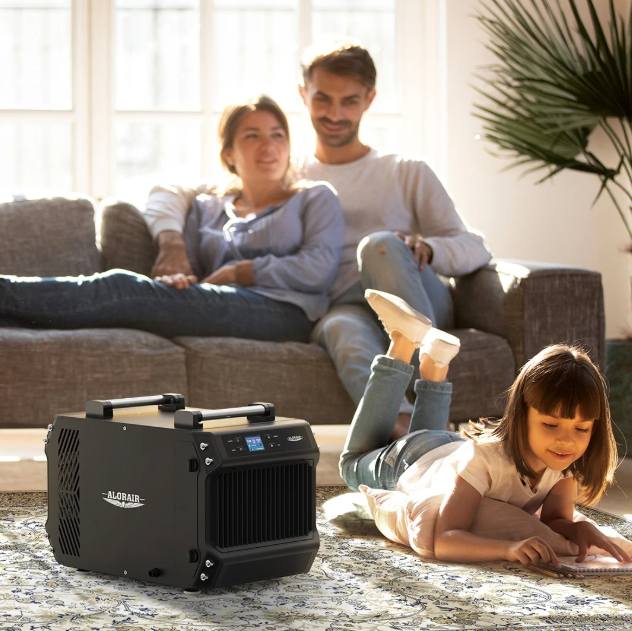
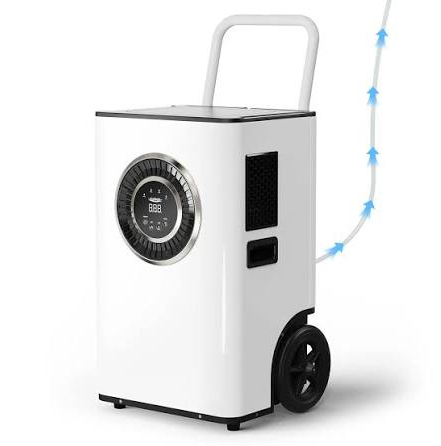
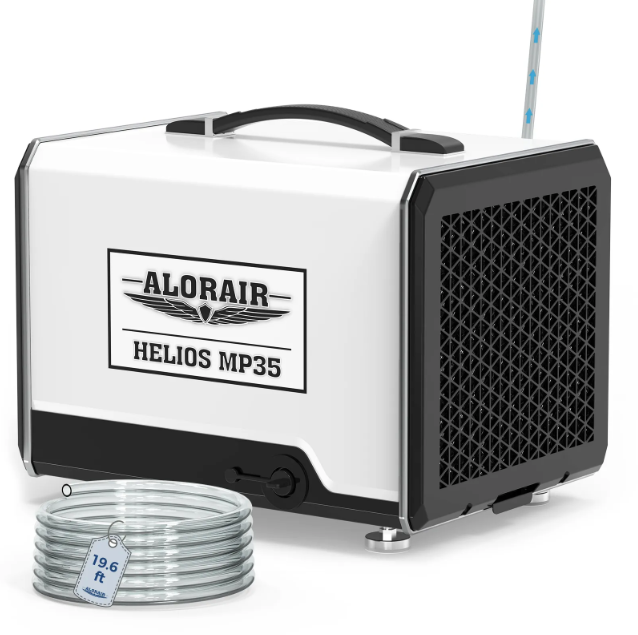
Dehumidifiers are an important part of ALORAIR‘s product range. Different environments can require different capacities and configurations. A small residential room, for example, has very different moisture-control requirements from a large basement, crawl space, warehouse, or restoration site.
Crawl spaces and basements are especially important areas for moisture management because they can experience limited ventilation and elevated humidity. A purpose-built dehumidifier can help continuously remove excess moisture and maintain more stable conditions.
For homeowners, this can make otherwise damp areas more comfortable and easier to maintain. Professionals working in restoration or property management can also use dehumidification equipment as part of a broader moisture-control strategy.
Supporting Water-Damage Restoration
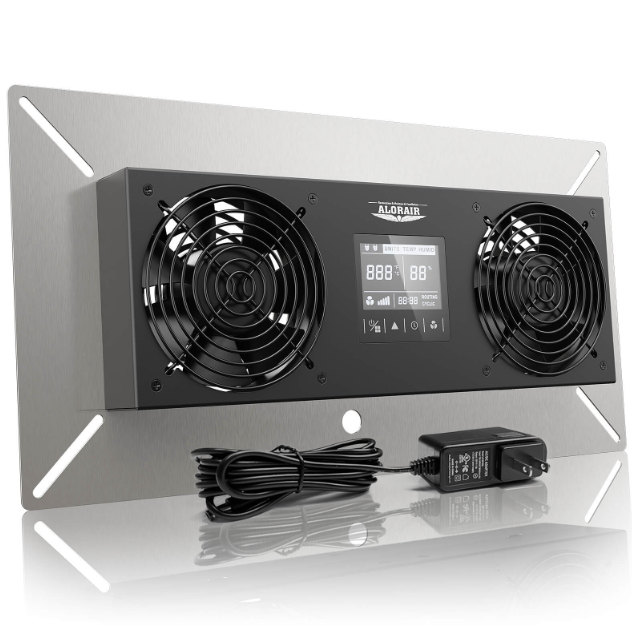
Drying becomes especially important after leaks, flooding, or other water-related incidents. Removing visible standing water is only one part of the process because moisture can remain in the air and within building materials.
ALORAIR‘s restoration-focused equipment is designed for applications where efficient air movement and moisture removal are priorities. Dehumidifiers can be combined with air movers to support the drying process. Air movers increase airflow across damp surfaces, while dehumidifiers remove moisture from the surrounding air.
This coordinated approach can be valuable for restoration professionals dealing with properties affected by water intrusion. However, significant water damage and suspected mold contamination should be properly assessed and handled according to appropriate professional safety and remediation practices.
Air Scrubbers and Indoor Air Management
ALORAIR‘s broader approach extends beyond humidity control. Air scrubbers are designed to move indoor air through filtration systems, making them useful in certain restoration, renovation, and professional environments where airborne particles need to be managed.
Filtration can be particularly useful during construction and restoration projects that generate dust and other airborne debris. Choosing an appropriate filtration system depends on the contaminants involved, room size, equipment specifications, and the requirements of the project.
By offering both drying and filtration equipment, ALORAIR provides solutions that can be incorporated into a more comprehensive indoor environmental management setup.
Practical Solutions for Homeowners and Professionals
One advantage of a specialized moisture-management brand is the variety of equipment available for different applications. Homeowners may need a dependable dehumidifier for a basement or crawl space, while restoration contractors may require commercial equipment capable of operating in demanding environments.
This range makes ALORAIR relevant to several types of users. Property managers can use moisture-control equipment when maintaining buildings, contractors can incorporate drying equipment into restoration projects, and homeowners can address recurring humidity problems in vulnerable areas of their properties.
Selecting the right equipment requires considering room dimensions, existing humidity, drainage options, operating temperature, airflow, and the severity of the moisture problem.
Technology for Convenient Moisture Control
Modern dehumidification is increasingly about convenience as well as performance. Depending on the particular ALORAIR model, equipment may offer features intended to simplify monitoring, drainage, transportation, or ongoing operation.
Continuous drainage can be particularly useful in spaces requiring extended dehumidification because it reduces the need for repeatedly emptying collected water. Portable designs can benefit restoration professionals who regularly move equipment between projects.
Users should always compare the specifications of individual models rather than assuming that every ALORAIR product includes the same functions.
Protecting the Spaces That Matter
Managing excess moisture can be an important part of property maintenance. Addressing humidity early may help reduce condensation and moisture-related deterioration while creating a more comfortable indoor environment.
Equipment alone, however, should not replace identifying the underlying source of excessive moisture. Plumbing leaks, inadequate drainage, water intrusion, ventilation problems, or structural issues may require separate repairs. Dehumidification works best as part of a broader strategy that addresses both moisture sources and indoor humidity.
Conclusion
ALORAIR provides moisture-control, air-movement, and filtration equipment for homeowners, property professionals, and restoration applications. Its dehumidifiers are particularly relevant for basements, crawl spaces, water-damage projects, and other environments where excess humidity needs to be controlled.
The goal of effective air management is not simply to make indoor air as dry as possible. Instead, it is about maintaining appropriate moisture levels and creating conditions that are more comfortable and easier to manage. By combining dehumidification with air movement, filtration, and proper attention to the underlying source of moisture, ALORAIR equipment can form part of a practical strategy for maintaining indoor spaces.