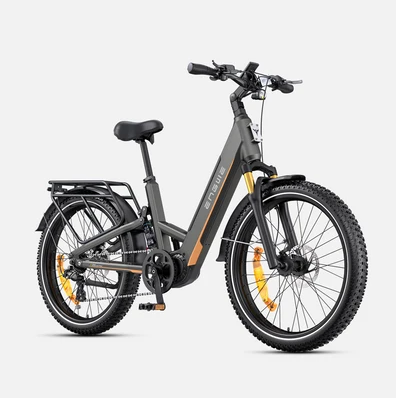
Electric bicycles have changed the way many people think about everyday transportation. Combining traditional cycling with electric assistance, e-bikes can make commuting, recreational riding, and longer journeys more accessible. ENGWE has developed an extensive collection of electric bikes designed around different lifestyles, from compact folding models and practical commuters to fat-tire, cargo, and moped-style e-bikes.
The ENGWE story began with three young cycling enthusiasts whose difficult 38-mile mountain journey inspired the idea of creating a bicycle powered by electricity. According to the company, the group later entered a university technology and entrepreneurship competition, continued researching e-bike technology, and eventually founded ENGWE. Today, the company markets its products internationally, including dedicated operations for European and US customers.
Electric Mobility for Different Riders
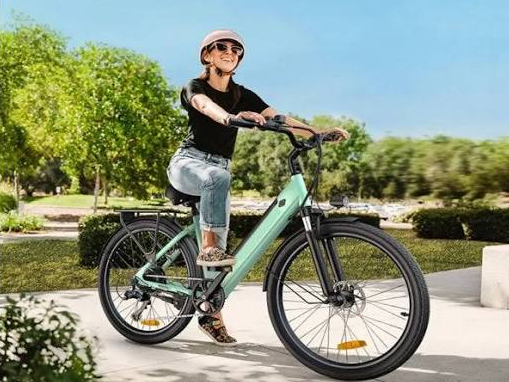
One of ENGWE‘s strongest characteristics is the variety within its electric-bike portfolio. Rather than focusing on one type of cyclist, the company offers bikes for commuters, recreational riders, travelers, and people who need additional carrying capability.
Its current collection includes fat-tire e-bikes, commuter models, cargo and utility bikes, folding bikes, step-through bikes, lightweight e-bikes, and motorcycle-inspired designs. ENGWE also sells electric scooters, batteries, chargers, bags, and other accessories.
This broad selection allows customers to consider factors such as terrain, storage space, riding position, range, and intended use before choosing a model.
Folding E-Bikes for Convenient Transportation
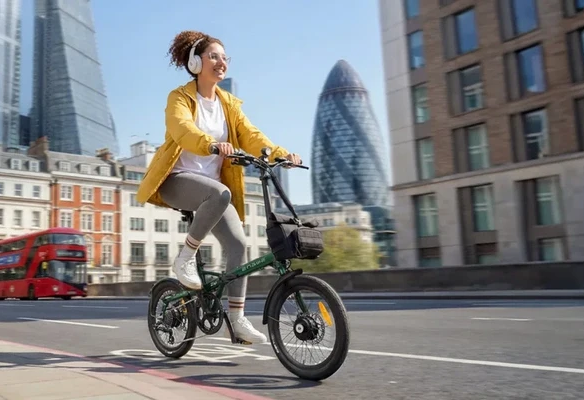
Folding electric bikes are particularly useful for people who want to combine electric mobility with easier storage. A folding frame can make an e-bike more practical for apartments, garages, RVs, or other locations where available space is limited.
ENGWE currently places several models within its folding-bike category, including options from the Engine, EP, L20, O20, and P20 families.
Folding designs can also appeal to riders who regularly combine cycling with other forms of transportation. However, customers should still consider a bike’s complete folded dimensions and weight, because a folding mechanism does not necessarily mean that every e-bike will be lightweight enough to carry frequently.
Fat-Tire Bikes for Versatile Riding
Fat-tire electric bikes are another major part of ENGWE‘s identity. Their wider tires create a distinctive appearance while providing a larger contact area with the riding surface.
The current ENGWE range includes models such as the E26 3.0 Pro, Engine Pro 3.0 Boost, EP-2 3.0 Boost, Engine Pro 2.0, M1, M20, L20 Boost, and E26 among its fat-tire offerings.
These bikes can be attractive to people looking for a substantial e-bike with an adventure-oriented design. Some models also incorporate suspension systems to improve comfort across uneven surfaces.
The recently listed E26 3.0 Pro, for example, is described by ENGWE as a full-suspension electric SUV-style bicycle equipped with a 100Nm mid-drive system.
As with any e-bike, riders should select tires, power characteristics, and suspension according to the surfaces and conditions where they actually intend to ride.
Comfortable Bikes for Everyday Commuting
Not every e-bike needs an adventure-oriented design. For many customers, the main requirement is simply getting around town more conveniently.
ENGWE maintains a substantial commuter collection, including step-through and step-over designs. Its website allows shoppers to filter products according to categories such as commuter, cargo, folding, fat-tire, and lightweight bikes. Customers can also compare options according to range, motor type, and whether app connectivity is included.
Step-through frames can make mounting and dismounting easier for some riders, while conventional step-over frames may appeal to those who prefer a more traditional bicycle shape.
Models such as the P275 series, P20, L20 series, and N1 series contribute to ENGWE’s broader urban and commuter selection.
The ENGWE L20 Series
The L20 family illustrates ENGWE‘s approach to combining practicality with distinctive styling.
Current versions include the L20 3.0 Pro and L20 3.0 Boost. The L20 3.0 Pro is listed with a 250W mid-drive motor producing 100Nm of torque and a full-suspension configuration, while the L20 3.0 Boost uses a 250W system with a 75Nm boost feature and full suspension.
Such models are positioned as compact e-bikes that can serve urban riders while retaining features often associated with more performance-oriented bicycles.
Specifications and legal power limits can vary by country, so customers should always check the regional version of a particular ENGWE model before purchasing.
ENGWE M20 and M1
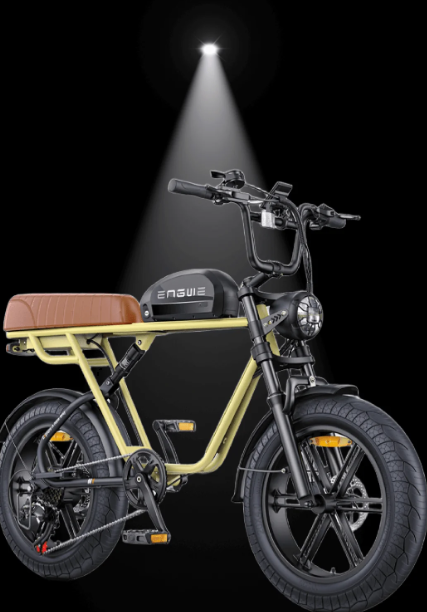
For riders attracted to motorcycle-inspired styling, ENGWE offers the M20 and M1.
The company categorizes both as motorcycle-style electric bikes. The M20 features a full-suspension, fat-tire design, while the European M1 is currently described as an EU-standard moped-style e-bike offering 65Nm of torque.
Their styling gives them a noticeably different personality from conventional commuter bicycles. They can therefore appeal to customers who want electric transportation but prefer a stronger visual presence and more substantial frame design.
Cargo and Utility E-Bikes
Electric bikes can also serve practical purposes beyond personal commuting.
ENGWE includes cargo and utility e-bikes within its current collection. These models are aimed at riders who may want greater capacity for groceries, equipment, daily errands, or other loads.
Electric assistance can be particularly valuable on a cargo bicycle because additional weight makes conventional pedaling more demanding. Choosing a cargo e-bike should nevertheless involve careful attention to the manufacturer’s maximum load specifications, rack compatibility, braking system, and recommended use.
Range and Motor Options
Range is one of the most important considerations when selecting an electric bike.
ENGWE‘s online catalog allows customers to filter models across several advertised range bands, extending from 0–80 km through to 201+ km. The company also distinguishes between rear-hub, mid-drive, and dual-hub motor configurations.
Advertised maximum range should always be treated as an estimate rather than a guarantee. Actual results can change considerably according to rider weight, assistance level, hills, temperature, tire pressure, wind, speed, road surface, and cargo.
This makes it worthwhile for customers to choose a bike with some additional battery capacity beyond their minimum expected journey.
Smart Features and the ENGWE App
Modern electric bikes increasingly combine mechanical components with digital technology.
ENGWE offers an ENGWE App, and its current catalog identifies numerous models that include app functionality. Depending on the particular compatible model and regional specification, connected features can provide another layer of convenience for riders.
Customers interested in smart functionality should verify the exact features supported by their chosen bike because app compatibility is not available across every model in the ENGWE catalog.
Accessories and Replacement Components
An electric bike is a long-term purchase, making accessories and replacement components an important consideration.
ENGWE‘s online store includes dedicated collections for bags, batteries, chargers, and other accessories. This can help customers customize their bicycles for commuting, carrying personal belongings, or maintaining their electrical system.
When purchasing replacement batteries or chargers, customers should always confirm compatibility with their specific model rather than selecting components based solely on appearance.
Supporting More Sustainable Transportation
ENGWE also presents sustainability as part of its long-term mission. The company says it wants to contribute to a lower-carbon society by developing electric transportation and making e-bikes more accessible to a wider audience.
E-bikes can provide an alternative to cars for some shorter journeys, particularly where safe cycling infrastructure and local regulations support their use. They also retain an important element of conventional cycling: riders can pedal while receiving varying levels of electric assistance.
Local e-bike regulations differ significantly, however, particularly regarding motor power, assistance speed, throttles, licensing, and where specific bikes can legally be ridden. Buyers should therefore check their local rules before selecting a model.
Conclusion
ENGWE has built a diverse electric-mobility range that accommodates commuting, recreational riding, cargo transportation, folding-bike convenience, and adventure-oriented cycling. Its current catalog stretches from compact folding and lightweight models to fat-tire bikes, full-suspension designs, cargo e-bikes, motorcycle-inspired models, and electric scooters.
Models such as the E26 3.0 Pro, L20 3.0 Pro, L20 3.0 Boost, M20, M1, P20, and Engine series demonstrate the variety available within the brand’s evolving portfolio.