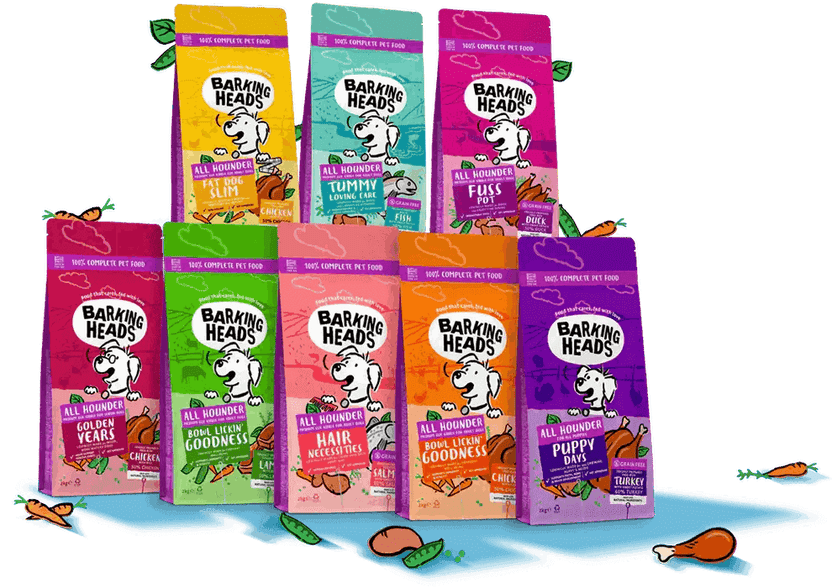
Feeding several pets can become complicated when animals have different ages, sizes and dietary needs. One pet may need a puppy or kitten formula, another may be on an adult maintenance recipe and an older animal may require a different portion or texture. Barking Heads & Meowing Heads offers separate dog and cat ranges with wet and dry options across life stages, which makes organisation important if the household wants every animal to receive the intended food and amount.
Give Every Pet a Defined Food and Portion Plan
The household should begin with each animal as an individual. Species, life stage, body condition, activity and health history affect what belongs in the bowl. A growing kitten should not simply share an adult cat diet because the bags look similar, and a small older dog may need a different portion from a large active adult even when both foods come from the same brand.
Owners using Barking Heads & Meowing Heads can separate dog, cat, puppy, kitten, senior and lighter recipes by storage area or labelled container. The feeding guide on each product provides a starting point, but body condition and veterinary advice should guide adjustments. A measuring scoop is useful only when everyone in the household uses the same scoop and understands which level corresponds to the intended amount.
Multiple feeders create another challenge. One family member may give breakfast while another gives treats later, making total intake hard to track. A simple written or digital checklist can show whether the pet has already been fed. This is particularly helpful for pets that enthusiastically ask several people for the same meal.
Prevent Pets From Sharing Food by Accident
Cats and dogs may be interested in one another’s bowls, especially when wet food has a strong aroma. Feeding in separate areas can protect portion control and prevent one animal from consuming food designed for another species or life stage. Bowls can be lifted after a reasonable meal period when free feeding is not part of the plan.
The wet and dry ranges from Barking Heads & Meowing Heads can be used alone or as part of a measured mixed-feeding routine when the product guidance supports it. The key is to count both formats together. Adding a full wet portion on top of a full dry allowance can increase daily energy unintentionally. The owner should calculate the combined plan rather than treating wet food as a free extra.

A pet that repeatedly steals food may need management beyond moving the bowl. Feeding behind a closed door, using microchip feeders for some cats or supervising mealtimes can reduce competition. Sudden intense hunger, weight change or persistent food-seeking can also warrant veterinary discussion because behaviour does not always explain the whole pattern. Water access should remain easy to monitor as well. Several bowls or a fountain may help in larger homes, but owners should still notice changes in drinking because an unusual increase or decrease can be clinically relevant and should not be dismissed as a feeding preference. Separate bowls also make it easier to notice which animal is drinking normally when several pets share the same room.
Checks for a More Controlled Multi-Pet Feeding Routine
- Every pet should have a clearly identified food that suits species, life stage and individual health needs.
- Measured portions should be recorded when several people share feeding responsibilities.
- A Barking Heads & Meowing Heads wet and dry combination should be calculated as one daily intake rather than two separate full meals.
- Treats and chews should be included in the overall feeding routine instead of being forgotten between meals.
- Persistent vomiting, diarrhoea, itching, appetite changes or unexplained weight changes should be discussed with a vet.
Store Food So the System Stays Clear and Hygienic
Storage should protect freshness as well as organisation. Dry food should remain sealed in a cool dry place with the original batch and product information available. If it is transferred into another container, keeping the original bag or label prevents confusion later. Open wet food should be refrigerated according to the instructions and used within the stated period.
Bowls, scoops and feeding mats should be cleaned regularly. Colour coding can help when several pets eat different foods, but labels remain useful when visitors or pet sitters are involved. Someone buying food for more than one animal can keep a simple feeding sheet with each pet’s product, portion and normal meal times. This reduces mistakes when the usual routine changes.
A multi-pet feeding system succeeds when the right food reaches the right animal in the right amount. Barking Heads & Meowing Heads provides a broad range across dogs and cats, but variety makes clear organisation more important rather than less. Individual plans, separate feeding spaces and consistent measuring can keep mealtimes calm while giving owners a better view of appetite, body condition and any changes that may need professional attention.