
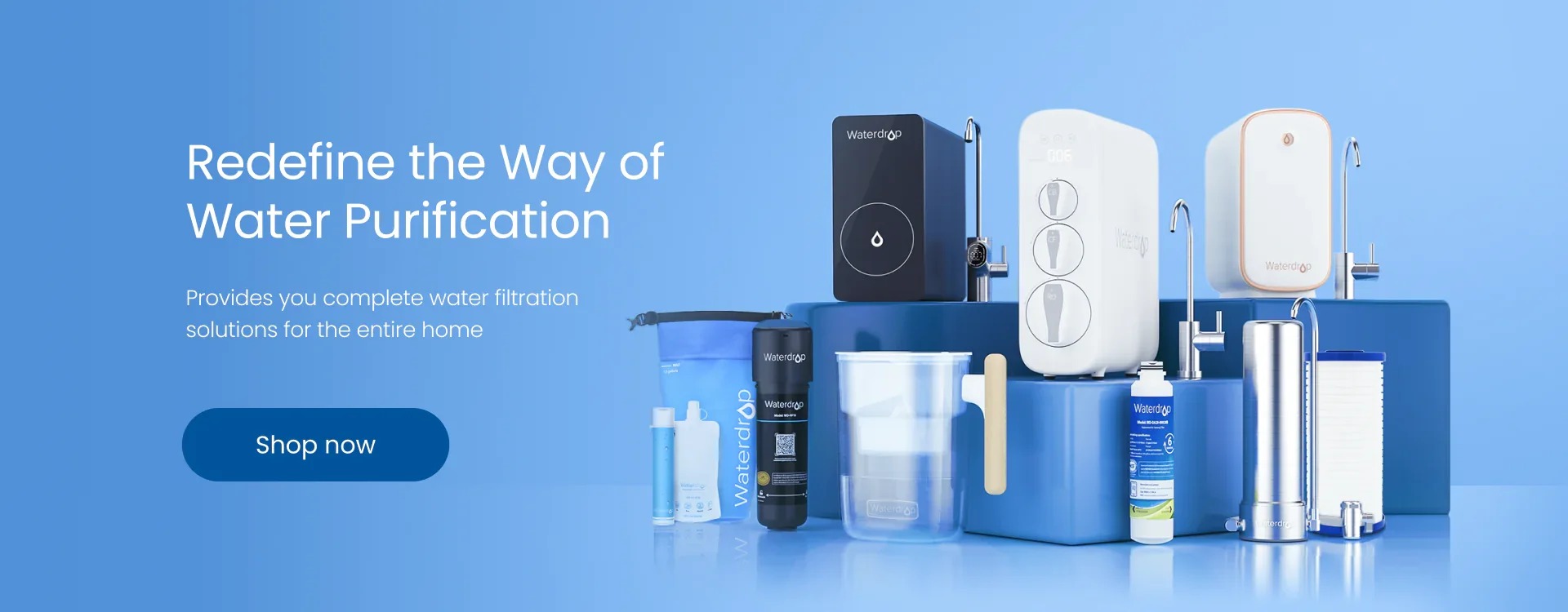
Home water filtration should match the kitchen, the local water concern and the household’s willingness to maintain the system. A compact jug, countertop dispenser and under-sink unit solve different problems. Households comparing those formats can explore Waterdropfilter UK while considering available space, daily flow and replacement filter requirements.
Define the Purpose of Filtration First
A household should begin by identifying what it wants to improve. Some people dislike the taste or smell of tap water. Others want a system that reduces specific substances or provides filtered hot and cold water from one unit. The product choice should be based on verified performance for the concern rather than a general assumption that every filter removes everything.
Local water information can provide useful context. The water supplier may publish quality reports, while private testing may be appropriate for a property with an unusual plumbing concern or private supply. Results should be interpreted carefully because total dissolved solids, hardness and contamination are not interchangeable terms. A low reading on one measure does not prove that water is free from every unwanted substance. The household should also consider whether filtration is intended for one drinking tap or for a wider cooking routine because that choice changes capacity needs.
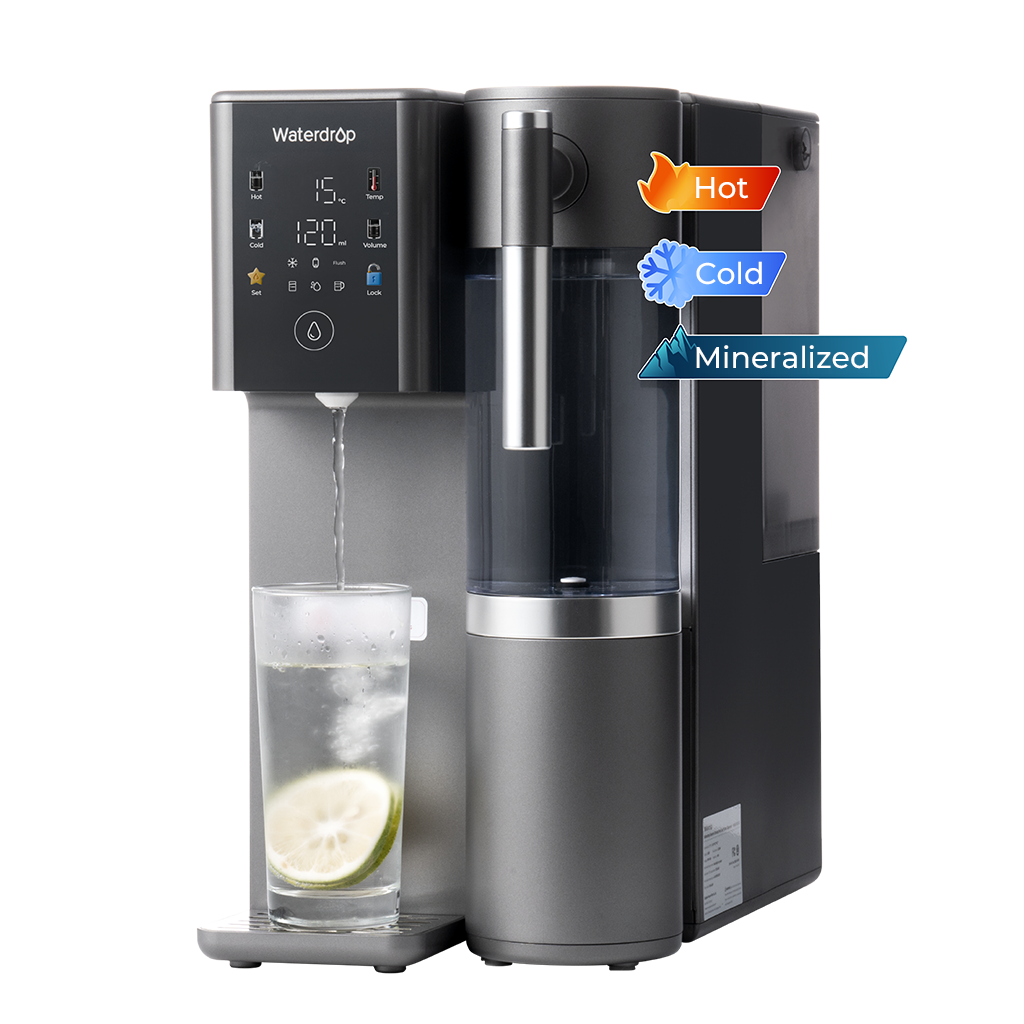
Households can review Waterdropfilter UK for filter jugs, countertop reverse osmosis dispensers, direct-connect filters and tankless under-sink systems. Each format changes installation, output and maintenance. A renter may prefer a unit that does not alter plumbing, while a homeowner renovating the kitchen may accept a more permanent installation.
The household should also decide how much filtered water it actually uses. Drinking, cooking, coffee preparation and filling bottles can create higher demand than expected. A small jug may suit one person but frustrate a larger family through constant refilling. Oversized equipment can create the opposite problem by occupying valuable space for limited use.
Compare Space, Flow and Installation
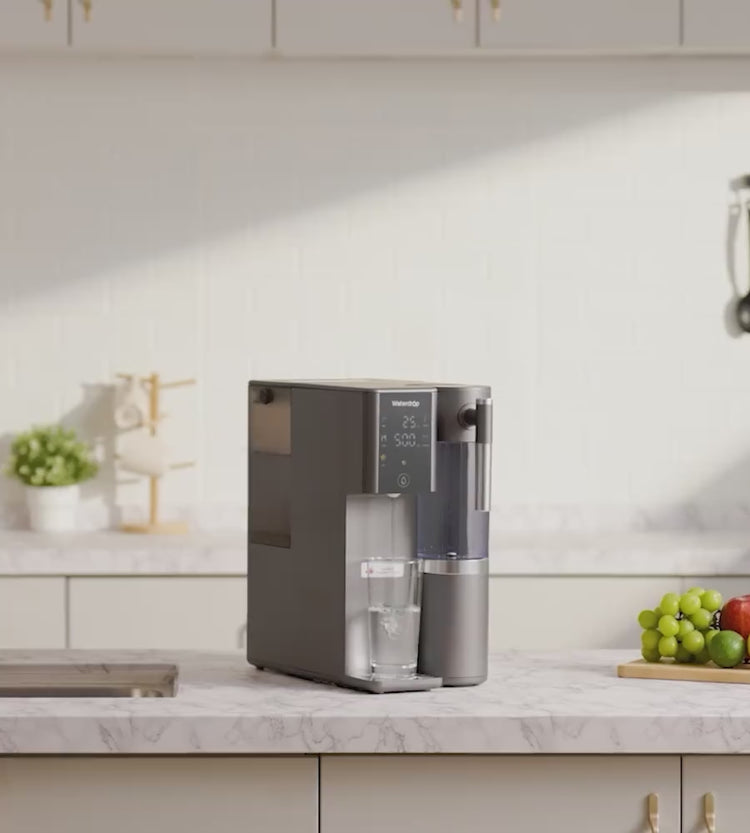
Countertop systems need a stable surface, access to power when required and enough height beneath cupboards. The household should measure the full footprint rather than relying on a product photograph. Doors, drawers and preparation areas still need to work after the unit is placed. A dispenser that blocks the main work surface may become inconvenient despite performing well.
Under-sink systems free the counter but require cabinet space and compatible plumbing. The household should understand whether a dedicated tap is needed, whether drilling is involved and how wastewater is handled. Professional installation may be sensible when the instructions, pipe layout or electrical requirements exceed the resident’s experience. Renters should obtain any required permission before altering plumbing, worktops or cabinetry and should keep original parts for a future move.
Someone comparing systems through Waterdropfilter UK should examine certified reduction information for the exact model. Certification names, tested substances and replacement intervals can differ across the range. Marketing phrases such as multi-stage or advanced do not explain performance on their own. The supporting specification should connect directly to the household’s stated concern.
Flow rate affects daily convenience. A system used only for drinking glasses can operate differently from one expected to fill cooking pots and several bottles each morning. Storage tanks may provide ready water but occupy space, while tankless systems can produce on demand and may generate wastewater during filtration. The practical trade-off should be understood before installation.
Checks Before Selecting a System
These checks help a household compare filtration formats without overlooking maintenance or space.
- The chosen model should address a clearly identified water concern with relevant test information.
- Counter, cabinet, tap and power requirements should be measured before the order is placed.
- A household can explore Waterdropfilter UK while comparing replacement filter cost and availability for each system.
- The expected flow should suit drinking, cooking and bottle filling without excessive waiting.
- Installation should remain within the resident’s skills or be assigned to a suitable professional.
Maintain the System as Part of the Kitchen Routine
A filter cannot perform as intended when replacement is repeatedly delayed. The household should record installation dates and follow the model’s guidance rather than waiting for taste to change. Some systems provide a filter-life indicator, but the owner should still understand what it measures and how to reset it correctly after replacement.
Cleaning deserves equal attention. Jugs, reservoirs, taps and removable trays can collect residue through normal use. The instructions should guide cleaning products and disassembly because harsh chemicals or incorrect handling can damage components. Fresh filters should be installed with clean hands and protective packaging should remain in place until needed.
Leaks, unusual noise, reduced flow or unexpected changes in taste should be investigated. The system may need a new filter, cleaning or technical support. A household should not continue using a visibly damaged unit or attempt an unsafe repair around water and electricity. Model information and proof of purchase can make support easier to obtain.
A suitable system should quietly support the kitchen rather than create another complicated appliance. Households that have assessed the water concern, space and maintenance commitment can explore Waterdropfilter UK and choose a format that remains practical after the initial installation.


Leave Your Comment