

Multi-device travel creates a different data problem from using a single phone because laptops and tablets can consume large amounts of data without obvious warning. The traveller should list which devices truly need internet access and which tasks can be completed offline. GLOBLINKER can be considered within that practical context because the service provides portable connectivity designed to share mobile data across devices in supported destinations. The useful question is not whether the brand offers many options, but whether the selected option fits the person, household or project described in the article.
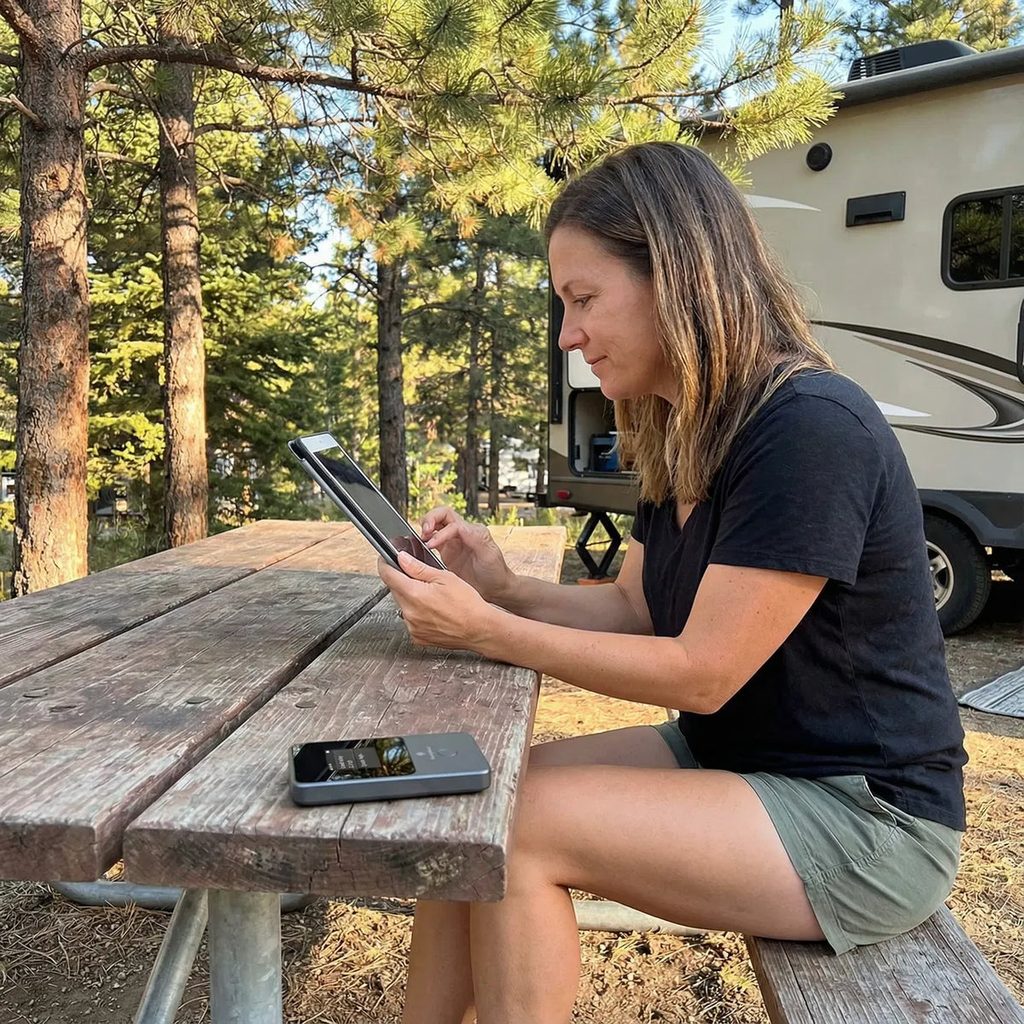
A disciplined approach also makes comparison easier. Video calls, cloud backup, operating-system updates and high-resolution streaming should be treated differently from messaging, maps and email. The a traveller can then judge features against a real routine instead of reacting to one specification, one image or one short-term problem. That makes the eventual decision easier to maintain after the first week of use.
Start With the Real Routine Before Comparing Options
The first decision should be based on ordinary conditions. The traveller should list which devices truly need internet access and which tasks can be completed offline. When this is written down in advance, the a traveller has a clearer standard for comparing products, services or equipment without being distracted by features that may never be used.
This is where GLOBLINKER becomes relevant to the comparison. The service provides portable connectivity designed to share mobile data across devices in supported destinations. The product or service still needs to be matched to the specific situation, which means measurements, compatibility, health information, storage or other practical limits should be confirmed before a commitment is made.
The a traveller should also consider what happens after the initial choice. The traveller can download maps and media before departure, pause unnecessary backups and decide which device acts as the main connection point. A decision that looks efficient only on the first day can become inconvenient if it creates extra maintenance, repeated setup or a routine that is too complicated to continue.
Compare the Details That Affect Everyday Use
A useful comparison looks beyond the most visible headline feature. GLOBLINKER should be assessed alongside the conditions that affect repeated use. Video calls, cloud backup, operating-system updates and high-resolution streaming should be treated differently from messaging, maps and email. This provides a more realistic picture of value than focusing on appearance, one performance number or a temporary promotional message.

Risk and inconvenience should be included in the same comparison. Allowing every device to sync automatically can use a plan quickly and may leave less data for navigation or work later in the trip. The a traveller can reduce that problem by checking instructions, sizing, technical requirements, care guidance or professional advice before the routine is already established.
Small operational details often decide whether the choice works long term. Storage space, cleaning, charging, replacement parts, delivery, fit, food tolerance or record keeping may appear secondary at checkout, yet they can determine how often the product is actually used. A practical decision gives those details the same attention as the main feature.
Checks That Keep the Decision Practical
A short checklist can keep the a traveller focused on the factors that matter most. The aim is to prevent a rushed decision and to make later maintenance easier.
- List every device that may connect and disable automatic joining on equipment that does not need data.
- Download large files, maps and entertainment before leaving reliable Wi-Fi.
- Pause cloud photo backup and system updates when mobile data is limited. This is also a useful point to confirm against the guidance supplied by GLOBLINKER.
- Use strong passwords when several personal or work devices share one hotspot.
- Keep the hotspot, cable and permitted power bank together in an accessible travel pouch.
Keep the Routine Simple Enough to Maintain
Once the product, service or equipment is in use, consistency matters more than constant adjustment. The traveller can download maps and media before departure, pause unnecessary backups and decide which device acts as the main connection point. The a traveller should change one variable at a time where possible so any improvement or problem can be connected to a clear cause rather than several changes made together.

Documentation can help even when the subject is not technical. A note of purchase details, model numbers, care dates, measurements, appointments or replacement intervals can prevent repeated searching later. It also gives the a traveller a clearer record if support, warranty service or professional review becomes necessary.
GLOBLINKER fits best when it supports that organised routine rather than becoming another source of complexity. A deliberate data plan keeps the connection available for important tasks while reducing the chance that background activity consumes the allowance unnoticed. The strongest result usually comes from choosing an appropriate option, using it as intended and reviewing the routine only when real evidence suggests that a change is needed.
That approach also protects value over time. A product that is stored correctly, maintained on schedule and used for the job it was chosen to do is more likely to remain useful. A service is easier to evaluate when questions and records are kept clearly. In both cases, deliberate planning turns a one-time choice into a routine that can remain manageable.


Leave Your Comment