

A private medical cannabis consultation should be approached as a clinical assessment rather than a product search. The patient needs accurate records, realistic expectations and a willingness to discuss risks as well as possible benefits. A person considering Releaf Dispensary should understand that only an appropriately qualified prescriber can decide whether any cannabis-based medicine is suitable.

Prepare a Complete Medical History
The consultation is more useful when the patient can describe the condition clearly. Dates of diagnosis, major changes in symptoms and the effect on sleep, movement or daily activity can provide context. The patient should also explain what has already been tried, how long each treatment was used and why it was stopped. A simple written timeline is often easier to follow than relying on memory during the appointment.
A current medicine list is essential. It should include prescription drugs, over-the-counter products, supplements and any cannabis or CBD products already being used. The prescriber needs this information to consider interactions, duplicate effects and safety concerns. The patient should not stop an existing medicine before the consultation unless the clinician responsible for that treatment has advised it.
Releaf Dispensary may request records or eligibility information as part of its process, but the patient should still keep personal copies of relevant letters, test results and treatment summaries. Missing information can delay an assessment or make it harder for the clinician to understand the full history. Records should be obtained through appropriate medical channels rather than recreated from memory.
Mental health history, pregnancy status, substance use and previous unwanted reactions should be discussed honestly. These subjects can feel personal, but they may influence whether a treatment is appropriate. The prescriber cannot make a safe decision when important risks are hidden. The purpose of disclosure is clinical protection rather than judgement.
Ask Questions About Evidence, Risks and Monitoring
The patient should ask what outcome the clinician expects to monitor. A broad promise of feeling better is difficult to evaluate. A more useful plan may focus on a specific symptom, a functional change or the ability to complete an ordinary task. The measure should be meaningful to the patient and realistic enough to review at follow-up appointments.
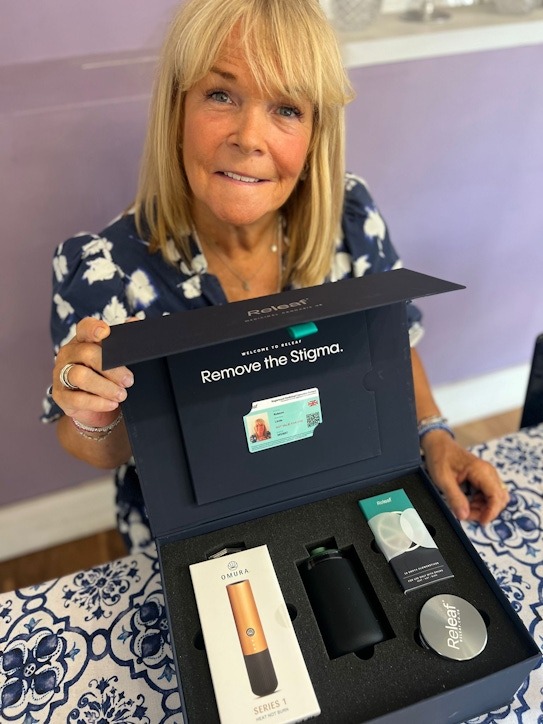
Cannabis-based medicines can cause unwanted effects and may affect concentration, mood, coordination or alertness. The patient should understand what to watch for, when to contact the clinic and when urgent medical help is needed. Driving, operating machinery and combining treatment with alcohol or sedating medicines require particular caution and direct clinical guidance.
Someone attending Releaf Dispensary should ask how reviews are scheduled, how dose changes are handled and who responds to questions between appointments. The patient should also understand the full cost of consultations, prescriptions and follow-up care. Medical suitability and affordability are separate issues, but both affect whether the plan can be followed safely.
The consultation should include alternatives. Cannabis-based medicine is not automatically the next step because other options have been disappointing. The prescriber should explain why it is being considered, what evidence supports the decision and what would cause the treatment to be stopped. The patient has the right to take time to understand that explanation.
Information to Keep Ready
A well-organised patient file supports safer discussions and clearer follow-up.
- The patient should keep an updated list of medicines, supplements and known allergies.
- Previous treatment records should show what was tried and why it did not continue.
- Any paperwork requested by Releaf Dispensary should be supplied through secure and accurate channels.
- The patient should record the clinician’s instructions for use, storage and review appointments.
- Prescription documents and labelled packaging should remain available whenever the medicine is carried.
Treat the Prescription as Controlled Medical Care
If a prescription is issued, the medicine should be used exactly as directed. Sharing it, changing the dose independently or obtaining additional cannabis outside the prescription creates legal and medical risk. The product should remain in its original packaging with the dispensing label because that information connects the medicine to the named patient.
Storage should prevent access by children, visitors and animals. The patient should follow instructions on temperature, light and secure handling. Travel requires advance planning because rules can differ between destinations and transport providers. The clinic, prescribing professional or a qualified legal source should be consulted before the medicine crosses a border.

Follow-up appointments should include honest reporting. The patient should describe benefits, side effects, missed doses and any changes in other treatment. A medicine that is not helping or is causing problems should not be continued simply because the process of obtaining it required time and expense. Clinical review exists to adjust or stop treatment when necessary.
Releaf Dispensary can only be considered within a wider relationship between patient, prescriber and existing healthcare team. The service should never replace emergency care, routine medical review or transparent communication with professionals who manage the patient’s other conditions. A patient should also keep ordinary healthcare appointments because one specialist service cannot oversee every aspect of a complex medical history.



Leave Your Comment