
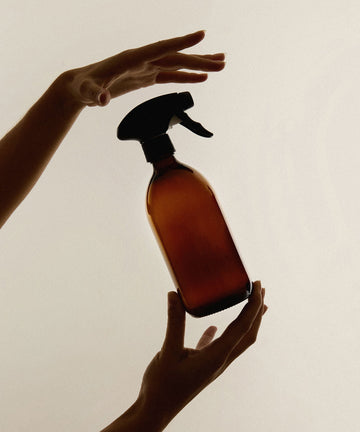
Refillable dispensers can make a kitchen or bathroom feel more organised, but the biggest benefit comes from creating a system that is easy to maintain. Attractive bottles alone do not reduce waste if they are difficult to clean, awkward to refill or constantly mistaken for one another. Households interested in reusable soap dispensers and glass storage can explore Kuishi while planning the refill routine before choosing the final containers.
Choose the Refill Routine Before the Container
The first decision is what will actually be refilled. Hand soap, washing-up liquid and cleaning spray are common starting points because they are used often and usually purchased repeatedly. A household does not need to decant every product at once. Beginning with one or two high-use liquids makes it easier to judge whether the system saves packaging and simplifies the room.
The refill source matters as much as the dispenser. Larger refill pouches or bulk containers need storage and they should be labelled clearly. The household should know when the reserve is running low so the bottle does not sit empty for days. A refillable system works best when replacement stock is treated like an ordinary household essential rather than a special sustainability project.
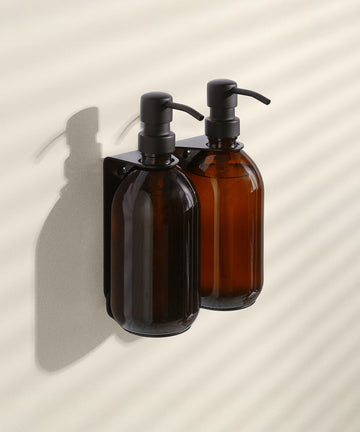
The collection from Kuishi includes glass soap dispensers, spray bottles, storage jars and wall-mounted options. The format should fit the room. A small sink may need a narrow bottle, while a family bathroom can support a larger capacity. Wall-mounted dispensers can free surfaces but require secure installation and a position that remains comfortable to use.
Match Materials and Sizes to the Space
Material choice affects both appearance and maintenance. Amber glass can create a consistent visual style and may disguise minor residue better than clear glass, while transparent containers make fill levels easier to see. Pumps and trigger sprays need to work with the viscosity of the liquid. Thick lotion may not perform well through a mechanism designed for a thinner soap.
Labels reduce confusion. Hand wash, shampoo and cleaning concentrate should never rely on colour alone for identification. A simple permanent label can protect against accidental misuse, especially in shared households or guest spaces. Decorative uniformity should never remove information that supports safe handling.

Someone using Kuishi to build a coordinated set can choose holders and bottles according to the layout rather than forcing every room to match exactly. A bathroom may benefit from a paired holder for hand wash and lotion, while the kitchen may need a single dispenser beside the sink and a separate spray bottle in a cleaning cupboard.
Storage jars should also have a defined purpose. Cotton pads, bath salts or dry household items can work well in glass when the contents remain suitable for that container. Food, chemicals and cosmetics should not be moved into unlabelled jars simply for appearance. Original safety information should remain available when it is relevant.
Checks for a Practical Refillable Setup
A short setup check keeps the system practical.
- Every dispenser should have a clearly identified liquid and a reliable refill source.
- Bottle size should suit the available counter, shelf or wall space.
- A household can explore Kuishi while matching pump, spray and storage formats to the products they will actually hold.
- Cleaning products should remain clearly labelled and away from children or pets.
Keep the System Clean and Easy to Repeat
Cleaning should be built into the refill cycle. Bottles may need rinsing or deeper cleaning depending on the product and manufacturer guidance. Pump tubes can collect residue and spray heads may clog. Refilling indefinitely without checking the container can undermine both hygiene and performance.
The household should also avoid mixing incompatible products. A dispenser should be emptied and cleaned appropriately before a different liquid is added. Combining leftover soap, lotion or cleaning solutions can alter texture, fragrance or effectiveness. Cleaning chemicals should never be mixed unless the manufacturer specifically directs it.
A small reserve of spare pumps or labels may help a larger household, but excessive backup stock defeats the goal of simplification. The best refill system remains visible enough to manage but compact enough to avoid creating another storage problem. A regular monthly check can confirm that bottles, holders and refill supplies are still working as intended.

Consistency becomes especially useful in shared spaces. When every bottle has a fixed position and clear label, household members are less likely to move products or replace them with unrelated packaging. A holder can also make cleaning the surface easier because several bottles can be lifted together. The arrangement should still leave enough room around taps and sinks for ordinary use rather than turning the counter into a display that is difficult to work around.
Refilling also creates an opportunity to monitor consumption. A household that empties one bottle much faster than expected may discover over-dispensing, leakage or a pump that releases more product than necessary. Small adjustments can reduce waste without changing the product itself.
Reusable containers are most effective when they disappear into everyday life. Households that have planned the refill source, cleaning routine and room layout can explore Kuishi and choose dispensers that support a consistent system rather than a short-lived visual change.



Leave Your Comment