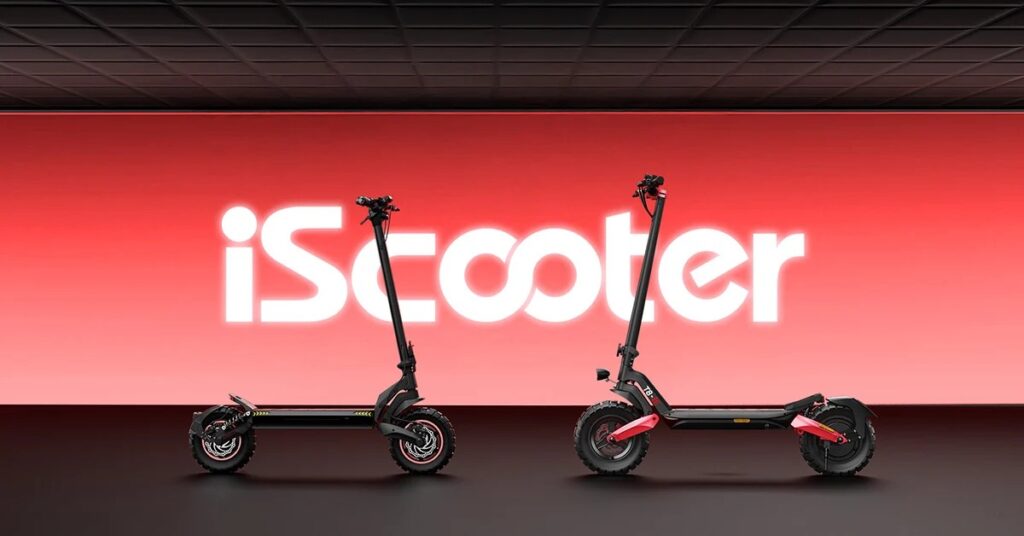
Electric mobility covers several very different products, from compact scooters to pedal-assisted bikes and mobility models designed for slower travel. The right choice depends on terrain, storage, comfort and permitted use. Buyers comparing these categories can explore iscooterglobal while treating range and speed claims as only part of the decision.
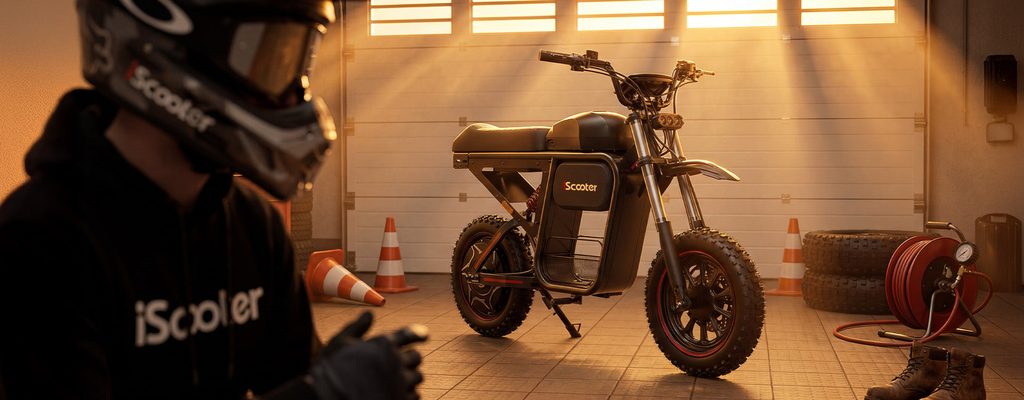
Choose the Format Before Comparing Specifications
An electric bike supports longer journeys and still allows pedalling when assistance is reduced. It may suit a rider who wants a familiar cycling position, larger wheels and space for luggage. An electric scooter is more compact and easier to store in some homes, but small wheels and a standing position create a different experience on uneven surfaces. A mobility scooter prioritises stability, access and controlled travel rather than sporting performance.
The buyer should identify where the product will be used. Private land, paths, roads and public spaces can be governed by different rules. Current local law, landowner permission and transport policies should be checked before purchase because owning a vehicle does not automatically make every location legal or suitable for riding.
A buyer can explore iscooterglobal for electric bikes, scooters, mobility models and related accessories after deciding which format fits the intended journey. Comparing products from different categories by headline range alone can be misleading. Riding position, wheel size, braking, lighting and the ability to move the vehicle when the battery is empty may matter more.
The user’s body and confidence should also guide the choice. Step-through frames can make mounting easier, while a seat may reduce fatigue on certain scooter formats. Handlebar height, deck space and control reach should feel natural. A vehicle that requires an awkward posture is unlikely to become comfortable simply because it has a powerful motor. The buyer should also consider how the vehicle will be moved when riding is not possible, including stairs, train platforms, car loading and a flat battery.
Treat Range as a Planning Estimate
Published range is usually measured under defined conditions. Rider weight, hills, wind, tyre pressure, temperature and repeated acceleration can reduce the distance achieved in everyday use. A sensible buyer leaves a margin rather than choosing a vehicle whose claimed maximum only just covers the planned journey.
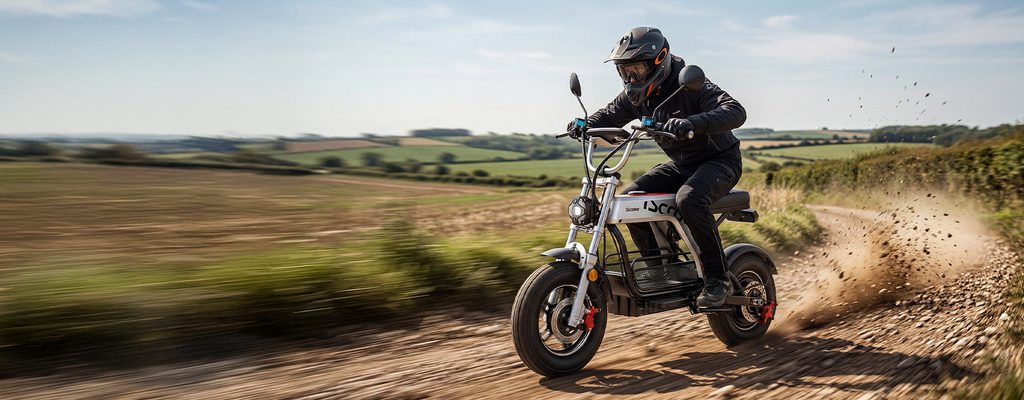
Battery size affects weight and charging time as well as range. A larger battery may be useful for longer routes, but it can make the vehicle harder to lift into a car or carry through a building. The buyer should confirm whether the battery is removable, where it can be charged and whether replacement support is available for the model.
Shoppers comparing options through iscooterglobal should look beyond motor power and top speed. Brake type, tyre construction, suspension and visibility features all influence control. Faster capability also increases the need for appropriate protective equipment, rider skill and a legal setting where the vehicle can be used responsibly.
Storage can decide whether the product remains convenient. A folding model still has weight and dimensions when folded. The household should measure hallways, stairs, lifts, car boots and charging areas. The vehicle should not block an escape route or rest where a hot battery, damaged cable or wet floor can create risk. Access to servicing, replacement tyres and model-specific parts should be confirmed because even a suitable vehicle becomes impractical when routine maintenance cannot be arranged.
Checks Before Choosing an Electric Vehicle
A practical review connects the vehicle to the route, the rider and the storage available at home.
- The buyer should confirm where the vehicle can be used under current local rules.
- The chosen format should suit the rider’s balance, posture, mobility and confidence.
- A shopper can review iscooterglobal while comparing realistic range, vehicle weight and charging needs.
- Brakes, tyres, lights and protective equipment should be considered before speed or appearance.
- The household should have a dry secure place for storage and charging.
Plan for Maintenance and Safe Charging
Tyre pressure, brake response, folding mechanisms and fasteners should be checked regularly. Small changes can affect stability and stopping distance. The owner should follow the maintenance schedule and use compatible replacement parts. Unusual movement, noise or damage should be investigated before the vehicle returns to use.
Charging should follow the manufacturer’s instructions. The correct charger should be used on a stable surface away from moisture, heat and combustible clutter. Damaged batteries, swollen cases, burnt smells or unusually hot components require immediate attention and professional support. A battery should not be modified to increase performance.

Weather affects both control and equipment. Wet surfaces can lengthen stopping distance, while deep water can damage electrical components even when a product has some water resistance. The rider should adapt speed and route to visibility, grip and comfort. A journey can be postponed when conditions exceed the rider’s ability or the vehicle’s guidance.
Electric mobility works best when the product fits real travel rather than an idealised specification. Buyers who have considered legality, terrain, storage and maintenance can explore iscooterglobal and select a format that remains manageable every day.