

Feeding several pets can become complicated when animals have different ages, sizes and dietary needs. One pet may need a puppy or kitten formula, another may be on an adult maintenance recipe and an older animal may require a different portion or texture. Barking Heads & Meowing Heads offers separate dog and cat ranges with wet and dry options across life stages, which makes organisation important if the household wants every animal to receive the intended food and amount.

Give Every Pet a Defined Food and Portion Plan
The household should begin with each animal as an individual. Species, life stage, body condition, activity and health history affect what belongs in the bowl. A growing kitten should not simply share an adult cat diet because the bags look similar, and a small older dog may need a different portion from a large active adult even when both foods come from the same brand.
Owners using Barking Heads & Meowing Heads can separate dog, cat, puppy, kitten, senior and lighter recipes by storage area or labelled container. The feeding guide on each product provides a starting point, but body condition and veterinary advice should guide adjustments. A measuring scoop is useful only when everyone in the household uses the same scoop and understands which level corresponds to the intended amount.
Multiple feeders create another challenge. One family member may give breakfast while another gives treats later, making total intake hard to track. A simple written or digital checklist can show whether the pet has already been fed. This is particularly helpful for pets that enthusiastically ask several people for the same meal.
Prevent Pets From Sharing Food by Accident
Cats and dogs may be interested in one another’s bowls, especially when wet food has a strong aroma. Feeding in separate areas can protect portion control and prevent one animal from consuming food designed for another species or life stage. Bowls can be lifted after a reasonable meal period when free feeding is not part of the plan.
The wet and dry ranges from Barking Heads & Meowing Heads can be used alone or as part of a measured mixed-feeding routine when the product guidance supports it. The key is to count both formats together. Adding a full wet portion on top of a full dry allowance can increase daily energy unintentionally. The owner should calculate the combined plan rather than treating wet food as a free extra.

A pet that repeatedly steals food may need management beyond moving the bowl. Feeding behind a closed door, using microchip feeders for some cats or supervising mealtimes can reduce competition. Sudden intense hunger, weight change or persistent food-seeking can also warrant veterinary discussion because behaviour does not always explain the whole pattern. Water access should remain easy to monitor as well. Several bowls or a fountain may help in larger homes, but owners should still notice changes in drinking because an unusual increase or decrease can be clinically relevant and should not be dismissed as a feeding preference. Separate bowls also make it easier to notice which animal is drinking normally when several pets share the same room.
Checks for a More Controlled Multi-Pet Feeding Routine
- Every pet should have a clearly identified food that suits species, life stage and individual health needs.
- Measured portions should be recorded when several people share feeding responsibilities.
- A Barking Heads & Meowing Heads wet and dry combination should be calculated as one daily intake rather than two separate full meals.
- Treats and chews should be included in the overall feeding routine instead of being forgotten between meals.
- Persistent vomiting, diarrhoea, itching, appetite changes or unexplained weight changes should be discussed with a vet.
Store Food So the System Stays Clear and Hygienic
Storage should protect freshness as well as organisation. Dry food should remain sealed in a cool dry place with the original batch and product information available. If it is transferred into another container, keeping the original bag or label prevents confusion later. Open wet food should be refrigerated according to the instructions and used within the stated period.

Bowls, scoops and feeding mats should be cleaned regularly. Colour coding can help when several pets eat different foods, but labels remain useful when visitors or pet sitters are involved. Someone buying food for more than one animal can keep a simple feeding sheet with each pet’s product, portion and normal meal times. This reduces mistakes when the usual routine changes.
A multi-pet feeding system succeeds when the right food reaches the right animal in the right amount. Barking Heads & Meowing Heads provides a broad range across dogs and cats, but variety makes clear organisation more important rather than less. Individual plans, separate feeding spaces and consistent measuring can keep mealtimes calm while giving owners a better view of appetite, body condition and any changes that may need professional attention.

A casual wardrobe does not always need more clothing to feel different. A bag, piece of jewellery, hat or other accessory can change the balance of familiar jeans, knitwear and tracksuit separates without creating another full outfit. Juicy Couture UK carries handbags, jewellery, hair accessories, hats and other pieces alongside its clothing range, which makes accessories a practical place to introduce colour, texture or a stronger brand reference.

Choose One Main Accessory Before Building the Rest of the Look
The strongest casual outfits usually have a clear focal point. A velour shoulder bag, crystal detail or statement necklace can lead the outfit while the remaining pieces stay quieter. When the clothing already includes strong colour, embellishment or a prominent logo, accessories may work better when they repeat only one part of that visual language.
Someone exploring Juicy Couture UK can begin with the bag because size, texture and hardware influence the rest of the outfit. A Daydreamer-style shopper creates a different proportion from a compact hobo or mini bag. The larger option can suit travel or daytime use, while the smaller shape can keep an outfit lighter. The choice should reflect what needs to be carried as well as the look itself.
Colour does not have to match exactly. A burgundy bag can work with black, cream and denim without requiring burgundy shoes. Tonal coordination often looks more deliberate than repeating the same shade across every accessory. Hardware can provide another connection, such as keeping jewellery in a similar metal family when the bag already has a strong chain or charm detail.
Use Accessories to Change Familiar Tracksuit and Denim Pieces
A tracksuit is already visually complete, so accessories should add purpose rather than clutter. A clean shoulder bag can move a velour set toward a more polished daytime look, while trainers and minimal jewellery keep the outfit relaxed. If the tracksuit has rhinestones or crest details, a heavily decorated bag may compete with them unless the wearer wants a deliberately maximal effect.
The accessory range from Juicy Couture UK can also work with denim, simple dresses and neutral knitwear. A branded bag or hair accessory can carry the recognizable aesthetic even when the clothing itself is plain. This makes accessories useful for someone who likes the identity of the brand but does not want every outfit to rely on a matching tracksuit.

Proportion should remain practical. A very small bag may look balanced with a fitted outfit but fail to hold everyday essentials. A large shopper can be useful, yet it may dominate a petite silhouette or a heavily layered coat. The wearer should test the complete outfit with the actual contents of the bag rather than judging an empty accessory in isolation. Straps deserve the same attention. A chain handle can create a sharper evening look, while a wider shoulder strap may feel more comfortable for long daytime use. The wearer should check how the bag sits over coats, hoodies and lighter tops because the drop length can change significantly once outerwear is added. Comfort should remain part of the decision when the bag will be carried for several hours.
Checks for a More Coherent Accessory Edit
- The main bag or accessory should have a clear role in the outfit instead of competing with several other focal points.
- Colour can coordinate through tone, contrast or hardware without requiring every piece to match exactly.
- A shopper can use Juicy Couture UK accessories to refresh clothing already owned before adding another full outfit.
- Bag size should reflect everyday contents so style does not make the item impractical.
- Jewellery, hair accessories and hats should support the clothing rather than repeat every logo or embellishment.
Protect Statement Accessories So They Stay Useful
Storage has a direct effect on how accessories age. Bags should not be crushed beneath heavy clothing, and chains or decorative hardware should be positioned so they do not scratch softer surfaces. Stuffing a bag lightly when it is not in use can help preserve shape, while dust protection can reduce marks on lighter materials.

Jewellery and hair accessories benefit from separate storage so stones, metal and fabric do not rub against one another. Care instructions should guide cleaning because velour, crystals, coated hardware and synthetic materials may respond differently to moisture or household cleaners. A statement item should not be cleaned aggressively simply because it is used often.
Accessories can extend a wardrobe when they are chosen for repeat use rather than novelty. Juicy Couture UK offers enough variety to move from bold nostalgic references to quieter coordinating pieces, but the best edit is still selective. When one accessory leads, colour is balanced and storage is handled carefully, familiar casual clothing can feel refreshed without turning the wardrobe into a collection of unrelated statement items.
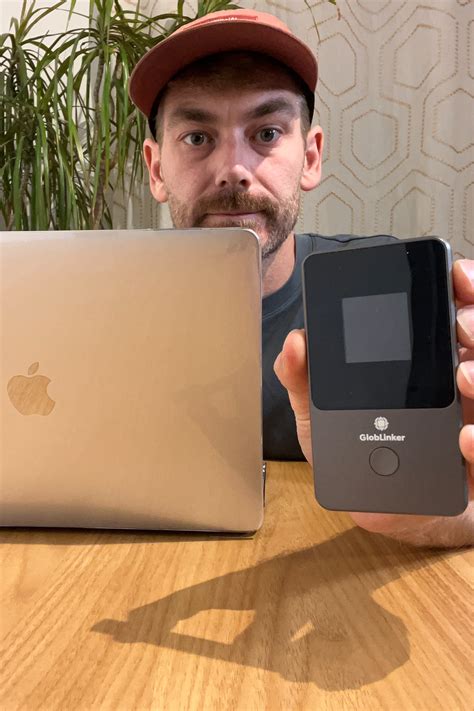
Remote work becomes difficult when internet access depends on one connection. Hotel Wi-Fi can be congested, a phone hotspot can drain battery and local mobile coverage can vary from one location to the next. GLOBLINKER offers a portable CloudSIM hotspot designed to connect multiple devices and work across many destinations, so it can be considered as one part of a broader backup connectivity plan rather than as a promise that every location will always have perfect signal.

Decide Which Tasks Actually Need a Backup Connection
The first step is to identify what would stop work if the main connection failed. Email and messaging usually need modest data, while video meetings, cloud backups and large file transfers can use much more. A traveller who mainly needs maps and booking information has a different requirement from someone who must host several video calls each day.
A user considering GLOBLINKER can list the devices that may need to connect at the same time, such as a laptop, phone and tablet. The hotspot is designed for multiple devices, which can be useful when the phone itself needs to remain available for calls, navigation and photography. The number of connected devices still affects total data use, so convenience should be matched with realistic planning.
Essential files should also be available offline. A connection can fail because of poor local coverage, building materials, congestion or a power issue. Tickets, presentation slides, meeting notes and emergency contact details should not exist only in the cloud when they are needed at a fixed time. Backup internet is strongest when it is paired with backup access to information.
Plan Data Around Work Habits Rather Than Guesswork
Data planning should begin with ordinary activity. Video calls consume more than text messaging, and automatic operating system updates can use a large allowance without obvious benefit during travel. Cloud photo uploads and file synchronisation should be reviewed before departure so they do not run unnoticed through a limited mobile plan.

The prepaid structure associated with GLOBLINKER can suit someone who wants optional data rather than another permanent contract. The user should still check destination coverage, plan duration and account settings before relying on the device for essential work. A hotspot can connect only where suitable mobile network service exists, so remote or indoor locations may still create limitations. Before an important trip, the user can test login details, device pairing and the management interface at home. Familiarity matters when a connection needs to be restored quickly between meetings. A short written note of network name, password and support details can prevent avoidable delays if another trusted person needs to use the device.
Battery planning matters just as much as data. The hotspot, phone and laptop may all need power on the same travel day. Cables should remain accessible, and a suitable power bank can provide extra flexibility when transport rules permit. Devices should not be left in hot cars or direct sun because excessive heat can affect batteries and electronics.
Checks for a More Reliable Connectivity Plan
- Destination coverage should be checked before the hotspot becomes the only plan for an important work session.
- Automatic backups, updates and large downloads should be limited when mobile data needs to last.
- A GLOBLINKER connection should use a strong password and be shared only with trusted devices.
- Critical documents should be stored offline in case mobile service becomes unavailable.
- The hotspot, charging cable and any permitted power bank should stay together in accessible hand luggage.
Use the Hotspot as One Layer of a Resilient Setup
A good remote-work setup rarely depends on one technology. The primary connection may be hotel or home broadband, the portable hotspot can serve as an alternative and the phone can remain a final fallback. Separating those roles prevents one failure from affecting every device at once. It also makes troubleshooting easier because the user can identify whether the problem comes from the network, the hotspot or the individual laptop.

Security should follow the same layered approach. A private hotspot can reduce dependence on open public Wi-Fi, but employer rules may still require an approved virtual private network, device encryption or other controls. Someone using the hotspot for work should follow company security requirements rather than assuming that a personal network removes every risk. Default passwords should be changed when possible and unfamiliar connected devices should be removed.
A backup internet plan is successful when it reduces disruption without creating another complicated system to manage. GLOBLINKER can provide a portable shared connection across travel and temporary work settings, but realistic data use, battery preparation and offline access remain essential. When those parts are planned together, the traveller is better prepared for weak hotel Wi-Fi, fixed broadband interruptions and the ordinary uncertainty of working away from a permanent desk.
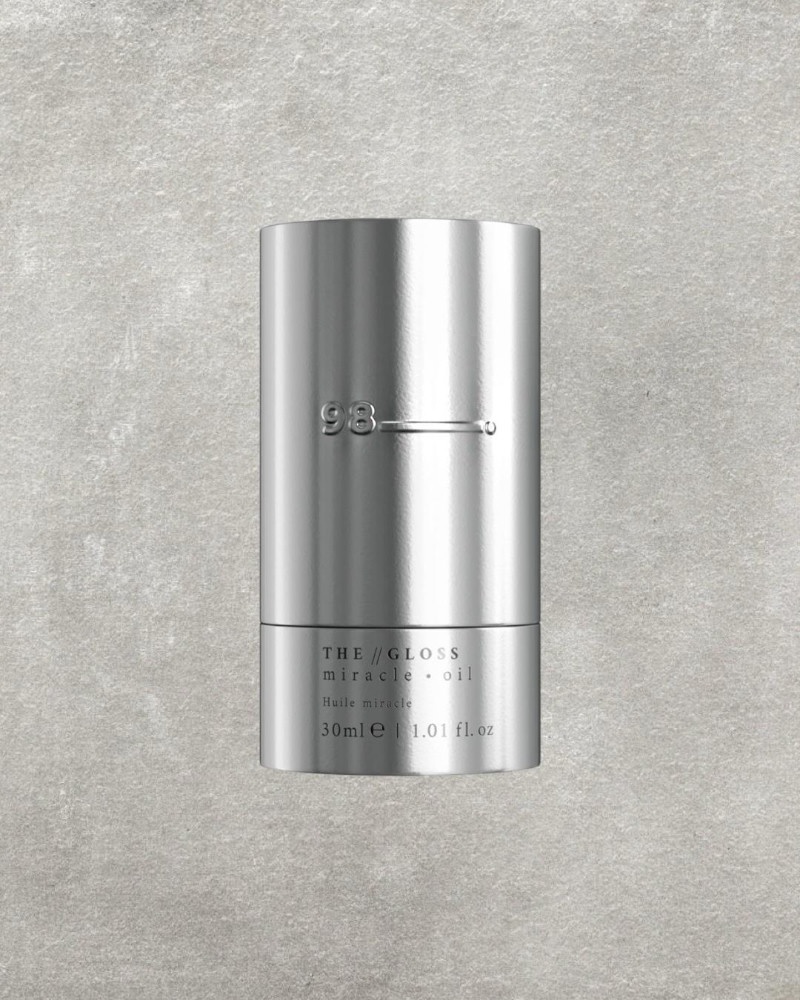
Hair that is regularly coloured, blow-dried or styled with heated tools often needs support, but adding more product is not always the answer. A routine works best when cleansing, conditioning, treatment and finishing steps each have a clear role. No.98 Beauty centres its range on Hydra Bond shampoo, conditioner and masque alongside a lightweight glossing oil, which makes it useful for building a focused routine around strength, hydration and a polished finish.

Separate Everyday Care From Intensive Treatment
The first decision is how often the hair actually needs an intensive treatment. A masque can be helpful for dry or stressed lengths, but it does not need to replace conditioner at every wash unless the product guidance and the hair response support that pattern. Fine hair may become flat when heavy treatments are used too frequently, while thicker or highly processed hair may tolerate richer care more often.
Someone building a routine with No.98 Beauty can keep shampoo and conditioner as the regular foundation and reserve the Hydra Bond Masque for selected wash days. This separation makes it easier to judge whether the treatment is improving softness and manageability without creating residue. It also stops the routine from becoming a sequence of several products that perform similar jobs.
Scalp condition should be considered separately from the lengths. A dry or damaged end does not automatically mean the scalp needs extra oil or a richer cleanser. Persistent itching, soreness or unusual hair loss requires suitable professional advice rather than repeated cosmetic experimentation. A focused routine should improve the feel of the hair without trying to diagnose a scalp problem.
Control Heat Before Asking Products to Repair the Result
Heat styling places repeated stress on the hair, particularly when high temperatures and multiple passes are used. The strongest routine therefore begins with technique. Hair should be dried gently, appropriate heat protection should be used and tools should stay at the lowest effective temperature. A straightener or tong does not need to be passed over the same section repeatedly when good sectioning and controlled tension can create the desired result more efficiently.

Products from No.98 Beauty can support the routine, but they should not be treated as permission to use unlimited heat. A hydrating masque can improve cosmetic feel and a finishing oil can add softness or shine, yet prevention still matters. The person should notice where damage is concentrated. Front sections, ends and the areas touched most often by tools may need gentler handling or fewer styling sessions.
Drying method also changes the result. Rough towel rubbing can increase friction before the dryer is even switched on. Pressing excess water out with a soft towel and detangling gradually reduces unnecessary pulling. A nozzle can help direct airflow during blow-drying, while allowing sections to cool before further styling can improve control without constant reheating.
Checks for a More Controlled Hair Routine
- Shampoo should focus mainly on the scalp while the lather rinses through the lengths without aggressive scrubbing.
- Conditioner or masque should be concentrated where dryness, tangling and breakage are most noticeable.
- A No.98 Beauty treatment should be introduced at a frequency the hair can tolerate without becoming coated or heavy.
- Heat tools should be used with suitable protection and the lowest temperature that achieves the intended style.
- Finishing oil should begin with a small amount because excess product is harder to remove than to add.
Adjust Product Amounts Before Adding More Steps
Many overloaded routines can be improved by changing quantity rather than buying another product. A concentrated oil may need only a small amount through the ends. A masque can be spread more evenly when the hair is divided into sections. Conditioner can be kept away from roots when they become oily easily. These adjustments allow the existing products to work more precisely.
The combination of the Hydra Bond range and The Gloss allows a user to vary nourishment without creating a large shelf of overlapping formulas. Someone using No.98 Beauty can keep the regular wash routine simple, add the masque when the lengths need more support and use finishing oil according to texture and styling needs. The strongest signal is how the hair behaves across several washes rather than how it feels for one hour after treatment. Brushing habits matter as well. Working through tangles from the ends upward can reduce unnecessary pulling, especially when hair is wet or chemically processed. Trims should also be considered when split or frayed ends continue to catch because cosmetic products can improve feel but cannot permanently reconnect severely damaged ends.

A well-balanced hair routine should make styling easier over time, not create dependence on more layers. When heat is controlled, treatment frequency is measured and finishing products are used with restraint, the hair can look polished without feeling coated. The range fits naturally into that approach because the core products can be assigned distinct roles rather than applied automatically at every wash.

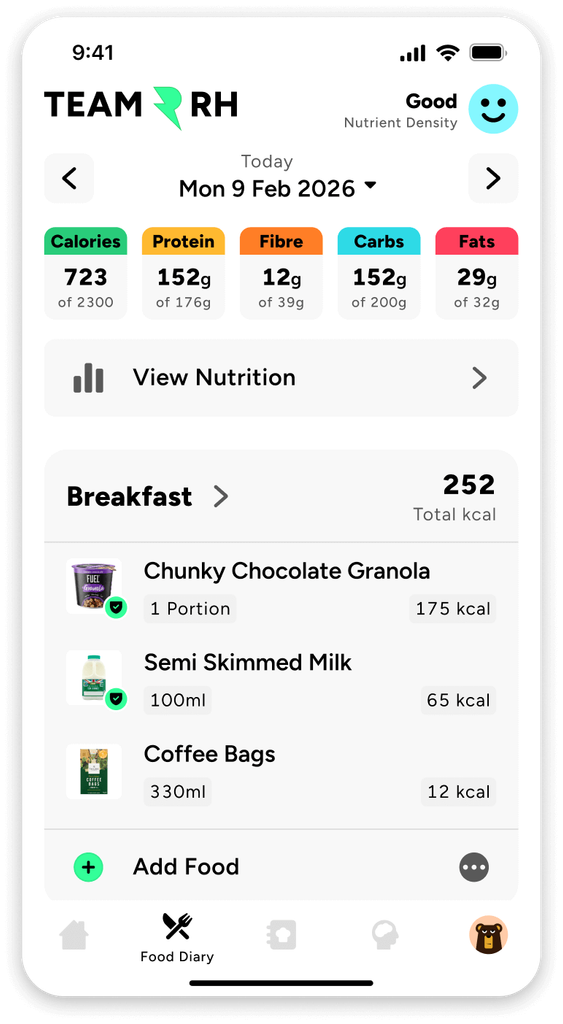
Food tracking often feels easiest on predictable weekdays and hardest when meals become social, spontaneous or less structured. The challenge is not simply estimating one restaurant meal. It is keeping useful habits without turning a weekend into an exercise in perfect measurement. Team RH UK combines food logging, recipe tools, step tracking, water goals and workout support, which means the most useful approach is to treat the app as a source of structure rather than a reason to avoid normal social life.
Plan the Flexible Meals Before the Weekend Begins
A practical weekend starts with knowing which meals are likely to be different. A family dinner on Saturday evening does not require the rest of the day to become unusually restrictive. Instead, the person can keep breakfast and lunch familiar, choose foods that provide protein and fibre and leave enough flexibility for the social meal. This preserves routine without creating the feeling that one event must be compensated for through hunger.
Someone using Team RH UK can review ordinary calorie, protein and fibre targets before the weekend and decide where flexibility is genuinely needed. The purpose is not to create a perfect forecast. It is to prevent several unplanned decisions from accumulating simply because the day feels less structured. A rough meal plan, a prepared snack or a known breakfast can provide enough stability for the rest of the day to remain relaxed.
Restaurant menus and shared meals will never provide the same precision as food prepared at home. A sensible estimate is usually more useful than spending excessive time searching for an exact database match. Portion size, cooking method and visible ingredients can guide the entry. When the information is uncertain, consistency in estimating matters more than pretending the number is exact.
Use Tracking to Notice Patterns Rather Than Judge One Meal
A single meal rarely explains progress on its own. Scale weight can change after a weekend because of water, salt, carbohydrate intake and digestion. Someone who reacts to that temporary change with severe restriction can create a cycle that is harder to sustain than the original social meal. The better review looks at patterns across a meaningful period and asks whether normal habits return afterward.
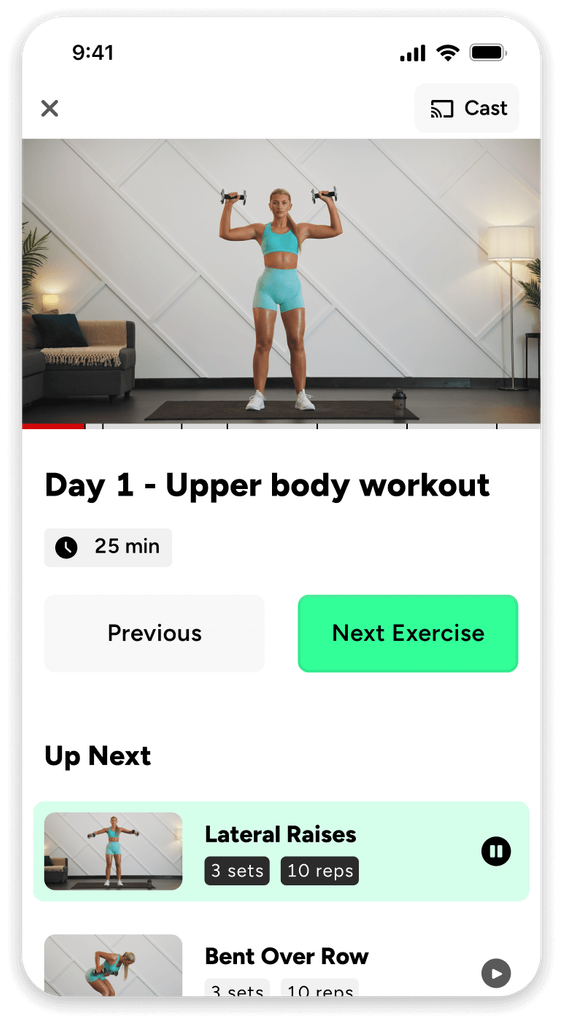
The dashboard and food tools within Team RH UK can help a person compare several days instead of treating one dinner as the entire week. If weekend intake is consistently much higher than planned, the useful question is why. Large gaps between meals, limited protein earlier in the day, alcohol or a lack of prepared food can all contribute. Identifying the pattern creates a practical adjustment instead of a moral judgement about the food itself.
Social eating also includes food that may be chosen mainly for enjoyment. A sustainable routine needs room for that. The person can decide which foods matter most and skip extras that are eaten only because they are available. This is different from labelling foods as good or bad. It is simply a way of making the meal intentional.
Checks That Keep Weekend Tracking Balanced
- The person should keep at least one or two familiar meals in the day when an evening meal is less predictable.
- Protein, fibre and fluids should remain part of the routine rather than disappearing because the day is social.
- A Team RH UK food entry can be a reasonable estimate when exact restaurant nutrition is unavailable.
- One higher-calorie meal should not trigger fasting, punishment workouts or unnecessary restriction the next day.
- Progress should be reviewed across several days so normal fluctuations are not mistaken for immediate fat gain.
Return to the Normal Routine Without Starting Over
The most important weekend skill is the ability to return to ordinary habits. Monday does not need a new plan because Saturday included a restaurant meal. The person can resume normal portions, usual movement and familiar tracking. This prevents the weekend from becoming a repeated stop-and-start cycle in which every social event is followed by a dramatic reset.
Preparation can make that return easier. A few ingredients in the fridge, a planned lunch and a simple evening meal remove the pressure to make another spontaneous food decision when the weekend ends. Optional workouts and step goals can also return gradually rather than being used to compensate for food. Activity supports fitness, mood and routine, but it should not become repayment for eating.
A sustainable tracking system should survive birthdays, dinners and weekends away. Team RH UK can provide structure through logging, recipes, movement and progress tools, but the person still decides how those tools fit real life. When flexibility is planned, estimates are accepted and the normal routine returns quickly, social meals can remain part of a consistent approach rather than becoming a reason to abandon it.

Standing seam roofing gets plenty of attention for its clean lines and modern finish, but some of the most useful components disappear completely once the installation is finished. Backer rod is firmly in that category. Supply Maverick carries Mile High Foam standing seam backer rod in two practical sizes, giving roofing contractors a closed-cell polyethylene foam product that can help reduce visible oil canning in standing seam metal roofs while also serving more traditional sealing applications. The collection currently includes 1/2-inch and 5/8-inch options, supplied in long rolls for professional projects. It is not the glamorous part of the roof, and nobody is likely to admire it from the driveway. Yet for installers trying to improve finishing details and manage sealant joints correctly, Supply Maverick has made this decidedly unexciting roll of foam surprisingly worth understanding.
Supply Maverick standing seam backer rod helps reduce oil canning
One of the standout uses for Supply Maverick’s Mile High Foam backer rod is helping reduce oil canning in standing seam metal roofing. Oil canning describes visible waviness or distortion across the relatively flat areas of metal panels, and Supply Maverick specifically markets both available backer rod sizes as useful where reducing this effect is important. That makes the product particularly relevant for projects where the appearance of broad standing seam panels matters. It is important, however, to keep expectations realistic. Supply Maverick describes the backer rod as a way to help reduce oil canning, not as a guaranteed cure for every cause of panel waviness. Panel dimensions, installation conditions and other construction factors still matter. For contractors, the attraction is therefore straightforward: this is a relatively simple supporting material that can become part of a more considered standing seam installation rather than an extravagant add-on searching for a problem to solve.
Mile High Foam provides closed-cell polyethylene support for sealant joints
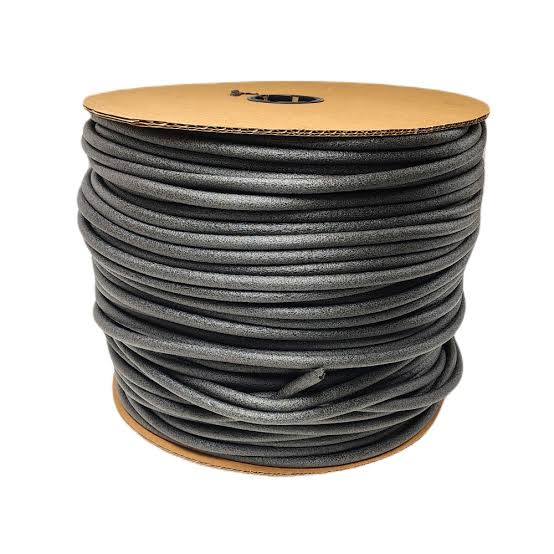
Supply Maverick describes Mile High Foam as a premium closed-cell polyethylene backer rod designed to sit behind elastomeric and other applied caulking sealants. Its role is to control the depth and volume of sealant being applied, helping create the intended hourglass-shaped sealant profile and making application more controlled and economical. This gives the product usefulness well beyond metal roofing. Supply Maverick lists applications including expansion and construction joints in concrete and precast walls, floors, partitions, parking decks, curtain walls, glazing, bridge construction, log homes, highways and pavement maintenance. It is also stated to be compatible with most cold-applied sealants. Compared with simply filling a deep joint entirely with sealant, correctly selected backer rod provides a backing material that helps manage how much sealant is needed. In other words, this little foam roll can prevent an expensive tube of sealant from disappearing into a gap like it has somewhere better to be.
Supply Maverick offers 1/2-inch and 5/8-inch standing seam backer rod
The Standing Seam Backer Rod category is refreshingly uncomplicated, with Supply Maverick carrying two Mile High Foam sizes. The 1/2-inch version comes as a 1,250-foot roll, while the 5/8-inch option is supplied in a 775-foot roll. Having two diameters allows contractors to select according to the gap or application rather than attempting to make one size perform every job. The longer 1/2-inch roll may naturally appeal where smaller gaps and greater linear coverage are required, while the 5/8-inch option provides a larger diameter for applications that call for it. Choosing between them should be based on project requirements and the joint dimensions rather than simply selecting whichever box contains more feet. Supply Maverick also provides technical information for Mile High Foam, making these products more suitable for professional specification than an anonymous piece of foam with little supporting documentation. On commercial or repeat roofing work, that clarity is much more valuable than a crowded category containing dozens of barely differentiated options.
Mile High Foam specifications suit demanding construction environments
The technical figures behind Supply Maverick’s Mile High Foam show why the product can move between roofing, glazing and construction applications. Both listed sizes have a density of 1.25 to 2.0 lb/ft³ under ASTM D-1622 and tensile values of 39 to 50 PSI under ASTM C-1623. Supply Maverick also lists moisture absorption at 0.002 g/cm³ and an operating temperature range from -90°F to 210°F, alongside additional out-gassing and compression test information. Those numbers will mean considerably more to contractors and specifiers than to someone casually browsing roofing supplies on a Sunday afternoon, but their presence is useful. Supply Maverick provides both an information sheet and technical data sheet for the product, allowing professionals to check suitability against a particular application. The closed-cell construction is especially relevant when a dependable backing material is required. As always, specifications should be matched against the actual joint, sealant and project requirements rather than assuming that one backer rod is automatically suitable for every gap on a building.
Standing seam backer rod is different from roof closure foam and ridge venting
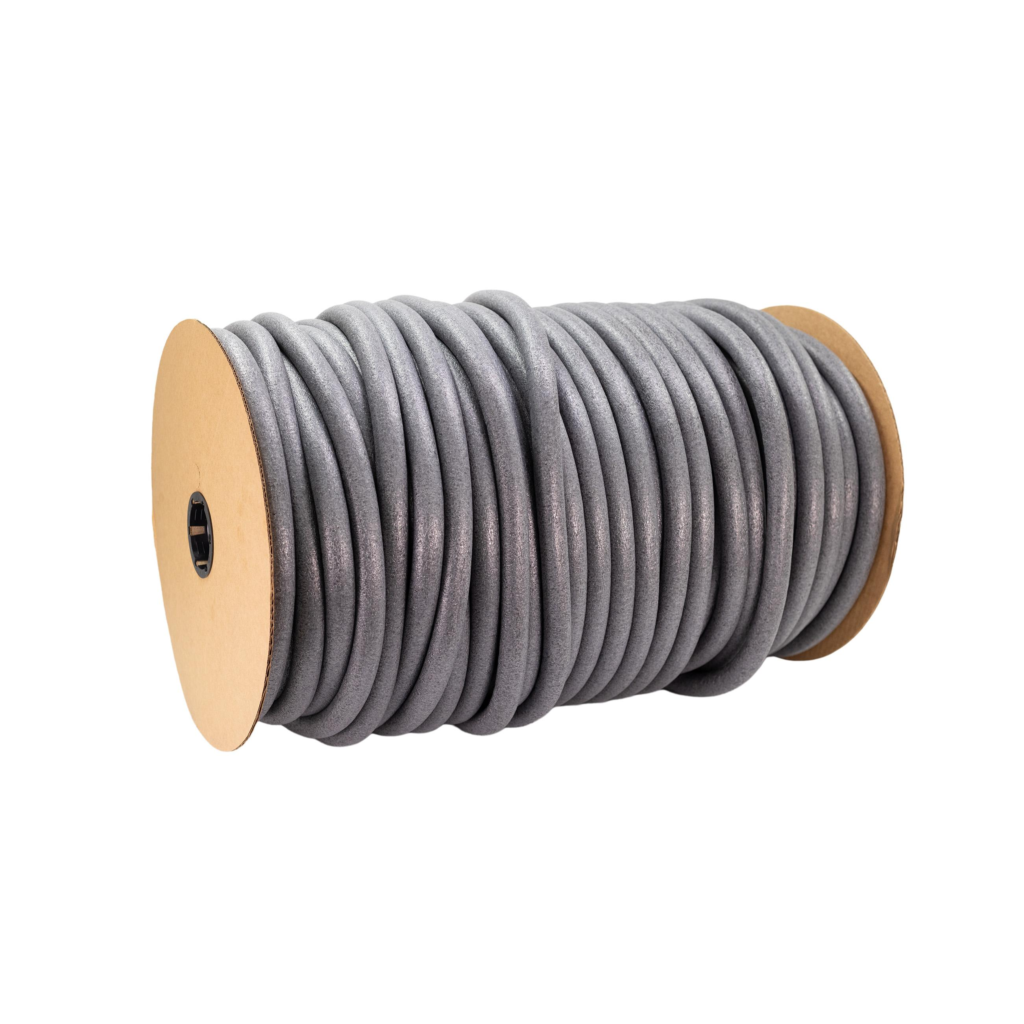
Supply Maverick sells several types of roofing closures, but standing seam backer rod should not be confused with solid closure foam or vented ridge products. Its Roofing Closures range separates Standing Seam Backer Rod from Solid Closures and Vented Ridge Closure, reflecting the very different jobs these materials perform. Solid closure products are shaped or selected to close openings associated with metal panel profiles, while vented ridge closures are designed to support airflow at the ridge while helping close the roof detail. Supply Maverick’s vented range includes products for AG-style panels, PBR/R panels and standing seam systems, including Standing Seam FastVent Plus and SNAP-Z options. Mile High Foam backer rod, by comparison, is a flexible backing material with applications in standing seam oil-canning reduction and sealant joints. That distinction is important when ordering. These products may all live in the same roofing-closure neighbourhood, but they are definitely not interchangeable roommates.
Supply Maverick makes sense for contractors buying beyond one roofing component
Backer rod becomes more convenient to source when it can be ordered alongside the other components already needed on a metal roofing project. Supply Maverick specialises in metal building and roofing supplies, with categories covering closures, fasteners, sealants, standing seam clips, snow guards, pipe boot flashings and professional hand tools. The company says it has operated since 2014 and ships from its Michigan base across the United States and Canada as well as Australia and New Zealand. For roofing professionals, that broader catalogue is arguably as relevant as the backer rod itself because procurement becomes less fragmented when complementary products are available from the same specialist supplier. Supply Maverick also positions its store around professional and contractor use rather than general DIY browsing. That does not mean every product is right for every roof, but it does make the site particularly useful for buyers who already understand their panel system and want specific components without wading through pages of unrelated home-improvement merchandise.
A modest roll of foam with a surprisingly serious job
Supply Maverick’s Standing Seam Backer Rod collection is best suited to roofing contractors, metal-building professionals and installers who need a closed-cell backing material with clearly documented specifications. The 1/2-inch by 1,250-foot Mile High Foam roll offers greater linear coverage, while the 5/8-inch by 775-foot version provides the larger diameter for projects requiring it. Both are promoted by Supply Maverick for helping reduce oil canning in standing seam roofing and for backing sealant in larger gaps, with uses extending into glazing, expansion joints and other construction work. Buyers simply looking for ridge ventilation or panel-profile closure foam should head to Supply Maverick’s separate closure categories instead. For the right project, though, Mile High Foam demonstrates why professional roofing is often won or lost in details most people will never see. It is a roll of polyethylene foam, not the star of the jobsite, but sometimes the supporting cast is exactly what keeps the finished work looking sharp.

Cannabis genetics have developed dramatically over the last two decades, with modern seed catalogs now documenting far more than a memorable strain name. Lineage, reproductive type, cannabinoid profile and hybrid classification all help explain how one variety differs from another. Blimburn Seeds has been part of this evolving market since 2002 and today maintains a catalog containing more than 1,200 listed genetics. Its collection stretches from familiar names such as Blue Dream, GG4 and Sour Diesel to contemporary hybrids, autoflowering versions and specialized CBD or CBG selections. For adult collectors and people researching cannabis genetics where legally permitted, the brand provides a broad picture of how traditional lineages and newer breeding directions now exist side by side.
Feminized Genetics Form a Major Part of the Collection
Feminized genetics represent one of the largest categories within the current Blimburn Seeds catalog. These lines are developed around female reproductive expression and have become a familiar part of the modern seed market alongside traditional regular genetics.
The collection includes both recognizable classics and newer varieties, giving customers a wide range of genetic backgrounds to explore. Names such as Blue Dream, GG4, Mimosa and Permanent Marker demonstrate how older and newer influences can sit within the same feminized category.

Autoflowering Lines Show How Genetic Formats Have Expanded
Autoflowering genetics create another substantial section of the Blimburn catalog. Rather than appearing as a small specialist category, they now include autoflowering versions of many recognizable strain families alongside newer lines created specifically for this format.
This reflects how cannabis breeding has become increasingly specialized. One familiar genetic name may now appear in feminized, regular, autoflowering or CBD-focused versions, giving collectors several ways to study how the same lineage is interpreted across different categories.
Main Genetic Categories Available From Blimburn Seeds
The current catalog is divided into several major groups that make its large selection easier to explore.
- Feminized genetics form one of the broadest sections of the collection.
- Autoflowering genetics provide another distinct genetic format across many well-known families.
- Regular seeds maintain traditional male and female reproductive possibilities.
- Fast-flowering genetics are selected around comparatively shorter flowering characteristics.
- F1 selections add another breeding category to both feminized and autoflowering ranges.
- CBD genetics emphasize cannabidiol within the listed cannabinoid profile.
- CBG genetics represent a more specialized cannabinoid-focused area of the catalog.
- THCA listings reflect another contemporary category within the wider cannabis market.
- Hybrid genetics combine influences traditionally associated with different cannabis lineages.

Regular Genetics Preserve a More Traditional Format
Despite the growth of feminized and autoflowering categories, Blimburn continues to maintain a dedicated selection of regular genetics. Current examples include familiar names such as Sour Diesel Regular, Bruce Banner Regular and Colombian Gold Regular.
Regular seeds remain particularly relevant to the history of cannabis breeding because they retain both male and female possibilities. Their presence within a modern catalog shows that newer genetic formats have expanded the market without completely replacing traditional approaches.
Flavor Categories Add Another Way to Explore Genetics
Blimburn allows its catalog to be filtered through flavor descriptions such as berry, blueberry, cherry, citrus, coffee, diesel, floral and many others. These labels add a sensory layer to the way individual genetics are presented.
Such descriptions are generally associated with terpene characteristics linked to particular genetic lines. They give collectors another point of comparison beyond cannabinoid percentages or broad indica and sativa classifications.
Natural genetic variation means these descriptions should not be viewed as guarantees of identical expression. They are most useful as reference points showing how a variety is positioned within the wider catalog.
Legal Awareness Should Always Come Before Use
Cannabis seed laws vary substantially between countries and even between states or regions within the same country. Purchasing or possessing seeds may be treated differently from germination, cultivation or possession of mature cannabis plants.
For that reason, availability on an international website does not automatically mean every use of a particular seed is legal everywhere. Anyone researching or collecting cannabis genetics should confirm current local regulations before making decisions.
Laws can also change over time, making recent official guidance more reliable than assumptions based on previous rules or another jurisdiction’s policies.

Blimburn Seeds Shows How Diverse Modern Genetics Have Become
More than twenty years after the brand began, Blimburn Seeds now represents a much broader genetic landscape than a traditional list of cannabis strains. Feminized, autoflowering, regular, F1, CBD, CBG and newer cannabinoid-focused categories all appear within one extensive catalog.
That diversity makes the collection interesting not only for individual names but also for what it reveals about changing breeding priorities. Classic lineages remain visible while newer hybrids and specialized formats continue to expand the market.
For adults exploring cannabis genetics where legally permitted, Blimburn Seeds offers a wide-ranging snapshot of an industry that keeps becoming more detailed. The most responsible way to approach that variety is through accurate information, careful comparison and a clear understanding of the laws that apply locally.

The modern cannabis seed market looks very different from the one that existed twenty years ago. Where catalogs once focused mainly on a relatively small number of recognizable strain families, today they can include hundreds of hybrids organized by genetic type, cannabinoid profile and lineage. Blimburn Seeds reflects that change particularly well. Operating since 2002, the brand now lists more than 1,200 genetics across categories ranging from regular and feminized seeds to autoflowering, F1, fast-flowering, CBD and CBG selections. Familiar names continue to appear alongside contemporary hybrids with completely different profiles, creating a catalog that connects cannabis heritage with newer breeding trends. For collectors and adults researching genetics where permitted by law, this combination offers an interesting look at how quickly the language and diversity of cannabis have evolved.
Heritage Genetics Keep Cannabis History Visible
Many modern hybrid names can ultimately be traced back to older genetic families that became influential across cannabis culture. Blimburn continues to list recognizable varieties such as Sour Diesel, Colombian Gold, Blue Dream and GG4 alongside newer creations.
These established names provide useful reference points because they connect contemporary catalogs with earlier eras of breeding. Even when newer hybrids appear very different, their lineage may still contain influences associated with well-known historical varieties.
Keeping these genetics visible helps the catalog feel less like a constantly changing trend list and more like an evolving record of cannabis breeding history.

Modern Hybrids Bring Multiple Influences Together
Hybrid genetics occupy a large part of Blimburn’s current collection. Names such as Fat Bastard, Future #1, Blackberry Moonrocks and Scrambler Haze illustrate how contemporary selections often combine several influences rather than fitting neatly into one traditional classification.
The brand commonly describes these products through an indica-sativa percentage alongside cannabinoid information. This provides a quick way to understand how a genetic line is positioned, although modern hybrids are usually more complex than one simple ratio suggests.
Looking at lineage alongside classification provides a fuller picture. A hybrid name may be new, while its underlying genetic relationships connect it to much older families.
A Quick Guide to the Language Used Across Blimburn Seeds
Understanding a few recurring terms makes the large catalog much easier to navigate.
- Feminized refers to lines developed around female reproductive expression.
- Autoflowering identifies genetics with a flowering pattern different from conventional photoperiod varieties.
- Regular refers to traditional seed genetics capable of producing male and female plants.
- Fast flowering identifies lines selected around comparatively shorter flowering characteristics.
- F1 indicates a first-generation hybrid classification within selected genetics.
- Mostly indica and mostly sativa describe broad lineage tendencies used throughout the catalog.
- Hybrid generally refers to genetics combining multiple lineage influences.
- CBD and CBG identify collections where these cannabinoids play a larger role in the listed profile.
- THCA appears as another modern cannabinoid-focused category within the store.

F1 Genetics Add a Newer Category to the Range
Blimburn’s current filters include both Feminized F1 and Autoflowering F1 categories, showing how the catalog continues to add newer breeding classifications alongside more familiar formats.
F1 generally refers to the first generation produced from two parental lines. Within commercial cannabis catalogs, the label has become increasingly visible as brands emphasize particular crosses and genetic combinations.
For people studying cannabis terminology, this category demonstrates how breeding language continues evolving. It adds another layer beyond the more established divisions of feminized, regular and autoflowering genetics.
Autoflowering Versions Reinterpret Familiar Names
One of the most noticeable developments in modern cannabis catalogs is the number of established strain names that now appear in autoflowering form. Blimburn lists autoflowering versions associated with genetics such as Bruce Banner, White Widow, Sour Diesel and GG4.
This allows one genetic family to appear across more than one category, making the catalog particularly interesting from a classification perspective. The name remains recognizable, but the reproductive and developmental traits represented by the autoflowering version are different.
These parallel versions show how modern breeding often focuses on adapting established genetics into new formats rather than abandoning familiar lineages entirely.

A Large Catalog Makes Filtering Especially Important
With more than 1,200 listed genetics, simply scrolling through the entire Blimburn catalog would be difficult. The website therefore organizes products through filters covering seed type, phenotype, cannabinoid levels and flavor categories.
This structure allows users to explore the collection according to the characteristics they are researching rather than relying only on product names. It also reveals how many variables are now used to classify contemporary cannabis genetics.
For collectors, good organization can be just as valuable as a large selection. Thousands of options only become useful when the differences between them are understandable.
Cannabis Genetics Always Come With a Legal Context
The legality of cannabis seeds depends heavily on location. Some jurisdictions may permit possession or collecting while imposing completely different restrictions on germination or cultivation.
Because of these differences, international availability should never be treated as universal legal permission. Adults interested in Blimburn Seeds should confirm the current laws that apply where they live before purchasing or using cannabis genetics.
Responsible interest in the category means understanding both the product and the regulations surrounding it. Legal awareness is not separate from cannabis research; it is an essential part of it.

A Catalog That Connects Cannabis Past and Present
Blimburn Seeds is interesting because its current collection does not represent only one period of cannabis breeding. Heritage names, modern high-profile hybrids, autoflowering adaptations and specialized cannabinoid lines all appear together.
That combination shows how the industry has expanded without completely abandoning its genetic history. Traditional varieties remain recognizable even as F1, CBD, CBG and other specialized categories continue developing around them.
For adults exploring cannabis genetics legally, Blimburn provides a broad reference point for understanding that evolution. More than simply a list of strain names, the catalog illustrates how ancestry, chemistry and modern breeding language have combined to create the increasingly complex world of cannabis genetics seen today.
