

Pet food should match the animal rather than the most attractive label on the shelf. Age, body size, activity, digestion and health history all influence what belongs in the bowl. Owners comparing dry food, wet food and tailored recipes can explore Barking Heads & Meowing Heads while keeping veterinary guidance and gradual change at the centre of the decision.

Start With Life Stage and Body Condition
Puppies and kittens need food designed to support growth, while adult animals need a formula that maintains condition without excessive energy. Senior pets may benefit from a recipe shaped around changing activity, digestion and mobility. The age printed on a bag is only one guide because breed size, neutering, illness and lifestyle can alter nutritional needs. Dental condition may also affect which texture the animal can manage comfortably.
Body condition is more informative than appearance alone. An owner should be able to discuss weight, muscle and shape with a veterinary professional. Thick coats can hide gradual change and household members may become used to seeing the pet every day. Regular weighing and consistent photographs can make trends easier to notice without relying on guesswork.
Owners can explore Barking Heads & Meowing Heads for puppy, kitten, adult, senior, small-breed, large-breed and lighter recipes. The category should narrow the search, but the ingredient list and feeding guide still deserve attention. A food labelled for a life stage may offer several protein sources or formats that suit different preferences.
A pet with a diagnosed condition, repeated digestive symptoms or unexplained weight change should be assessed by a vet before the diet is changed repeatedly. Food can support health, but general retail guidance cannot diagnose allergies, pancreatitis, kidney disease or another medical problem. Delayed assessment may allow the underlying issue to worsen.
Compare Wet, Dry and Mixed Feeding Practically
Dry food is easy to measure, store and use in puzzle feeders. Wet food provides a different texture and can increase dietary moisture, which some pets find appealing. Mixed feeding can provide variety, but portions from both formats need to be counted together. Adding a full wet meal to a full dry allowance can unintentionally increase daily energy.
The owner should consider the pet’s eating style. A dog that swallows food quickly may benefit from a slow feeder or divided portions. A cat that prefers several small meals may need a plan that keeps wet food fresh and dry food measured. Free pouring makes intake difficult to judge, especially in homes with more than one animal.

Someone comparing recipes through Barking Heads & Meowing Heads can review protein source, texture and feeding guidance for the pet’s life stage. Terms such as grain-free, natural or high meat should not replace a full review of suitability. The pet still needs a complete and balanced diet in an amount that supports healthy body condition.
Treats, chews and table food also contribute to intake. An owner may carefully measure meals while overlooking several small extras from different household members. A shared treat container or simple daily limit can prevent duplication. Foods that are toxic to dogs or cats should remain completely unavailable regardless of portion size.
Checks Before Changing the Food
A planned transition helps the owner judge the new food without creating avoidable digestive upset.
- The recipe should be suitable for the pet’s species, life stage and body condition.
- The owner should compare the feeding guide with the animal’s weight and activity level.
- A household can explore Barking Heads & Meowing Heads while choosing between wet, dry or carefully measured mixed feeding.
- The new food should be introduced gradually unless a veterinary professional advises otherwise.
- Persistent vomiting, diarrhoea, itching, pain or appetite loss should be discussed with a vet.
Monitor the Pet After the Transition
A food transition should be observed through appetite, stool quality, comfort and body condition. The owner should avoid judging the result only by enthusiasm at the bowl because many pets enjoy foods that do not suit their long-term needs. Coat appearance and energy can provide context, but they should not be used as medical proof.
Portions may need adjustment after the pet has eaten the new food consistently. Feeding guides provide a starting point rather than a fixed command. A very active dog may need more than a quiet dog of the same weight, while an indoor cat may need careful energy control. Changes should be modest and reviewed over time.

Storage protects both safety and quality. Dry food should remain sealed in a cool dry place, ideally with batch information available. Open wet food should be refrigerated according to the label and used within the stated period. Bowls should be washed regularly because residue and saliva can build up even when the food appears dry.
The most suitable food is one the pet can eat comfortably and the household can portion consistently. Owners who have considered age, size, digestion and format can explore Barking Heads & Meowing Heads and select a recipe that fits a clear nutritional plan rather than a passing trend.

A velour tracksuit can look considered rather than purely casual when fit, colour and accessories are handled with restraint. The outfit already carries texture and visual identity, so supporting pieces should create balance. Shoppers looking for coordinated sets, separates and matching accessories can explore Juicy Couture UK while building a look that works beyond the sofa.

Choose the Silhouette Before the Colour
Tracksuit fit changes the entire impression. A straight or gently flared leg can lengthen the line of the outfit, while a wide leg creates a more relaxed shape. A fitted tracktop gives definition at the waist, whereas an oversized hoodie adds volume. The wearer should decide which area will carry the stronger shape rather than choosing both pieces at their most exaggerated.
Length matters with velour because the fabric catches light and makes pooling or bunching noticeable. Trousers should work with the intended footwear, especially when the hem is wide. Petite and tall options can reduce alterations when available. The waistband should remain comfortable when sitting and walking, not only when the outfit is first tried on.
Shoppers can explore Juicy Couture UK for tracksuits in different rises, leg shapes and matching tops. A coordinated set offers the easiest starting point, but separates may provide a better fit when the wearer needs different sizes above and below. The colour should complement the wardrobe rather than exist as an isolated statement.
Black, navy and deep neutrals can make velour feel understated. Pink, blue and jewel tones place more attention on the set and may need simpler accessories. Embellishment adds another focal point, so the wearer should decide whether colour, logo detail or silhouette will lead the outfit. Allowing all three to compete can make the result feel less deliberate.
Balance the Texture With Simpler Pieces
A clean fitted vest or T-shirt can sit beneath the tracktop without adding another strong texture. The base layer should also suit the setting, especially when the jacket may be removed indoors or during travel. When the jacket remains open, the base layer becomes visible and should have a neckline that supports the jewellery or bag. A crisp white, black or tonal top often gives the velour enough space to remain the main feature.
Footwear sets the level of formality. Streamlined trainers create a practical daytime outfit, while a platform or heeled shoe can sharpen the silhouette for an evening setting. The wearer should still consider walking and trouser length. A fashionable shoe that catches the hem or becomes painful quickly will make the outfit feel less polished.

Someone styling pieces from Juicy Couture UK can coordinate a handbag, jewellery or fragrance without matching every item exactly. One recognisable accessory is usually enough. A compact shoulder bag can keep the line neat, while a larger Daydreamer-style bag creates a stronger nostalgic reference and should be balanced with quieter footwear.
Outerwear should work with the volume of the tracksuit. A cropped jacket can define the waist above wider trousers, while a long clean coat creates contrast with the sporty texture. A bulky coat over a full hoodie may feel crowded around the shoulders. Trying the complete combination prevents a useful winter layer from becoming an afterthought.
Checks for a Considered Tracksuit Outfit
These checks keep the look coordinated without removing the relaxed character of the set.
- The trouser length should work with the footwear that will be worn most often.
- The top and bottom should create balanced volume rather than competing shapes.
- A shopper can review Juicy Couture UK while choosing one main focal point from colour, embellishment or accessories.
- The base layer should remain smooth enough to sit comfortably beneath velour.
- Jewellery and handbags should support the outfit without repeating every logo or decorative detail.
Care for Velour So the Outfit Keeps Its Shape
The care label should guide washing because velour blends and embellishment vary. Turning garments inside out can reduce friction on logos and decorative details. Similar colours should be washed together and high heat should be avoided when the instructions warn against it. The fabric should not be treated like an ordinary heavy sweatshirt without checking the label.
Hanging can affect the shape of trousers and fitted tops. Heavy pieces may stretch on narrow hangers, while folding can protect the waistband and shoulders. The wardrobe should provide enough space so the pile is not crushed beneath rough fabrics, zips or bags. A lint roller can remove surface fibres without aggressive brushing.

A coordinated set can also be worn separately. The tracktop may work with denim, while the trousers can be paired with a simple knit or fitted top. Separating the pieces increases use and prevents the outfit from feeling identical every time. It also allows one part to rest when the other remains clean.
A polished tracksuit outfit depends on editing rather than adding. Shoppers who want velour sets, handbags and accessories with a clear brand identity can explore Juicy Couture UK and build the look around fit, balance and careful maintenance.

A portable WiFi hotspot can provide one shared connection for phones, tablets and laptops when fixed internet is unavailable or public networks feel unreliable. The value comes from careful data planning, battery management and realistic coverage expectations. Travellers and remote workers can explore GLOBLINKER while deciding whether a dedicated hotspot suits their routes and devices.

Decide Which Devices Actually Need the Connection
A hotspot is most useful when several devices need data at the same time. A traveller may use a phone for maps, a tablet for entertainment and a laptop for work. A family may want one connection instead of arranging separate roaming options for every person. The expected device count should be listed before the plan is selected because shared use can consume data quickly. Work laptops may also have background security tools or synchronisation services that use more data than a personal phone during the same period.
The type of activity matters as much as the number of devices. Messaging, email and maps usually use less data than video calls, cloud backups and high-definition streaming. Automatic app updates can also consume data without attracting attention. Devices should be configured before travel so nonessential downloads wait for a trusted fixed connection.
People can explore GLOBLINKER for a dedicated hotspot designed to connect with mobile networks across multiple destinations without relying on a physical SIM in the usual way. Coverage should still be checked for the intended countries and regions. No mobile product can guarantee a strong signal in every building, rural area or crowded location.
A dedicated hotspot can reduce dependence on a phone’s battery and personal hotspot setting. It also allows the phone to remain available for calls, photography and navigation. The benefit is strongest when the extra device replaces several separate connectivity problems rather than becoming another gadget carried without a clear role. Setup should be completed at home so account access, password changes and device pairing are familiar before the first journey.
Plan Data and Battery Before the Journey
Data should be estimated from real habits. A remote worker who joins video meetings needs a different allowance from a traveller who checks maps and messages. Usage dashboards can help, but the user should also understand when a plan activates, how long it remains valid and what happens when the allowance is reached.

Battery planning is equally important. The hotspot should be charged before departure and the cable should stay accessible rather than buried in checked luggage. A suitable power bank may support long travel days, but the user should follow transport rules for batteries and protect the device from heat, moisture and impact.
Someone considering GLOBLINKER should review supported locations, data management and the number of simultaneous connections before relying on it for work. Important files should still be available offline because coverage can change. A presentation, ticket or booking reference should not depend on a single live connection. The user should also test whether required work applications function through the hotspot because employer security settings can affect remote access.
The hotspot should be positioned where it receives the best available signal. A bag pocket surrounded by other electronics may perform differently from an open desk near a window. The user should avoid leaving it in direct sun or an unattended vehicle. Heat can reduce battery performance and may damage electronic equipment.
Checks for Reliable Portable Connectivity
A short preparation list makes the hotspot more useful when the journey becomes busy.
- The user should confirm destination coverage before depending on the device for essential work.
- Automatic updates and cloud backups should be limited when the data allowance is controlled.
- A traveller can review GLOBLINKER while comparing supported regions, shared device capacity and data options.
- The hotspot, charging cable and power bank should remain together in accessible hand luggage.
- Critical documents should be downloaded in advance in case the mobile signal becomes unavailable.
Use the Hotspot as a Private Working Tool
A personal hotspot can reduce exposure to open public WiFi, but security still depends on proper settings. The network should use a strong password and the default credentials should be changed when the product allows it. Connection details should be shared only with trusted users because every additional device affects security and data use.
The user should disconnect unfamiliar devices and review the management portal regularly. Software updates for the hotspot should be installed through an appropriate connection. Sensitive work may also require a company-approved virtual private network or other security controls. A portable connection does not replace an employer’s information security policy.
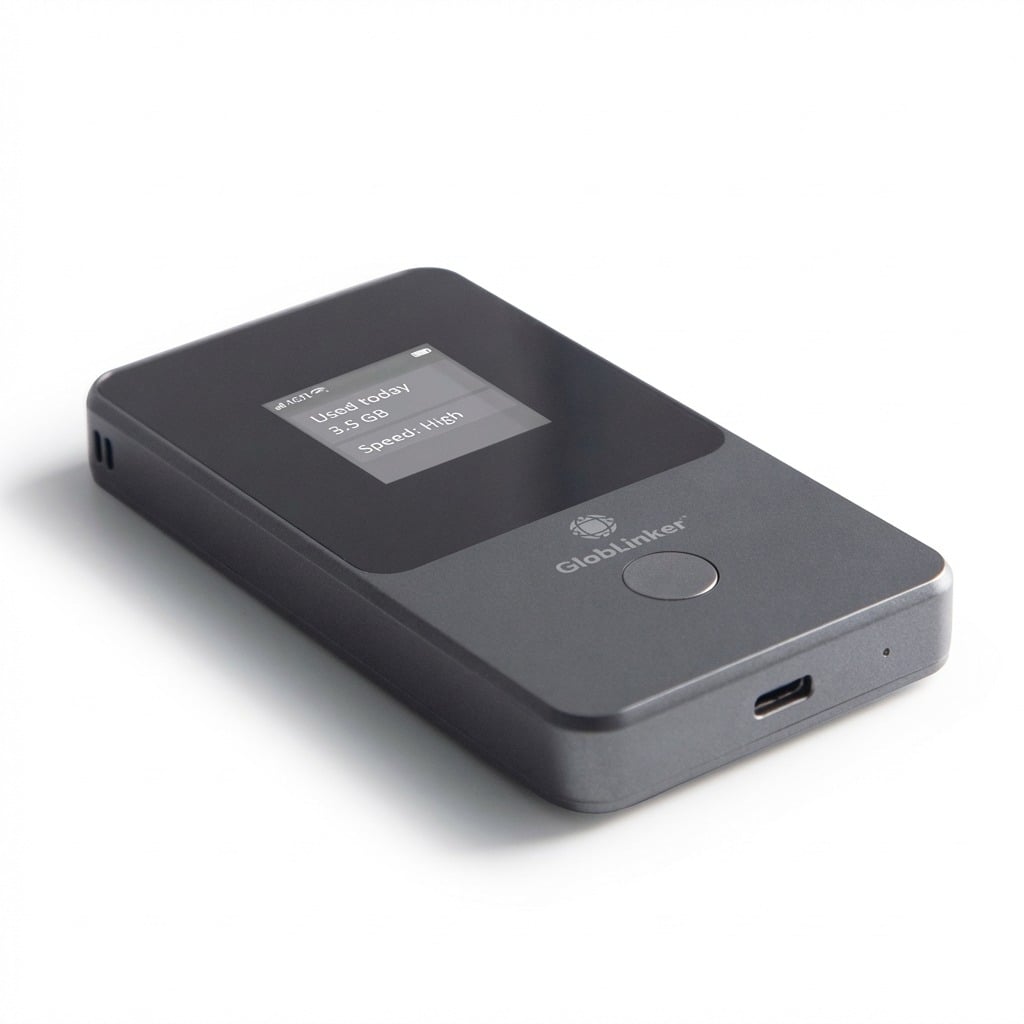
The device can support more than international travel. It may provide backup connectivity during a fixed broadband interruption, at a temporary workspace or in a vehicle during an authorised stop. It should not distract a driver and should be positioned so cables do not interfere with controls or movement.
Portable internet is most valuable when expectations remain realistic. Travellers who have planned data, battery and offline access can explore GLOBLINKER and decide whether one shared hotspot offers a cleaner solution than several separate connections.

A focused haircare routine should improve manageability without filling the shower and dressing table with overlapping products. Cleanser, conditioner, treatment and finishing care can cover most needs when they are used in the right amount. People seeking a concise routine can explore No.98 Beauty for hydration, bond-focused care and frizz control.

Assess the Hair Before Choosing the Routine
Hair needs are shaped by texture, density, chemical treatment, heat styling and the condition of the scalp. Dry ends do not always mean that the scalp needs a richer shampoo. Fine hair may require hydration without heavy residue, while thick or textured hair may need more slip and conditioning. The routine should address different areas rather than treating every strand in exactly the same way. Water hardness, swimming and frequent use of dry shampoo can also influence how quickly residue appears and how often a deeper cleanse feels necessary.
The person should notice when tangling, roughness or breakage appears. Damage concentrated around the front may be linked to heat tools or tight styling. Dryness through the ends may reflect colour processing, friction or delayed trims. Frizz can come from humidity, dryness, texture or mechanical damage. Identifying the pattern helps each product serve a specific purpose.
People can review No.98 Beauty for shampoo, conditioner, hair masque, anti-frizz hydration and finishing oil within one streamlined range. The strongest routine will not necessarily use every item at every wash. It will assign regular products, occasional treatment and finishing care according to how the hair responds.
The scalp should remain part of the assessment. Persistent itching, flaking, soreness or sudden hair loss requires appropriate professional advice rather than repeated cosmetic experimentation. A hydrating masque can improve the feel of lengths, but it does not diagnose or treat a scalp condition. Products should stay within their intended use.
Use Each Product Where It Works Best
Shampoo belongs mainly at the scalp, where oil, sweat and product residue collect. The lather can move through the lengths during rinsing without aggressive scrubbing. A second cleanse may help after heavy styling products, but it does not need to happen automatically. Water temperature should feel comfortable because excessive heat can make already dry hair feel rougher.
Conditioner should be distributed through the mid-lengths and ends unless the label states otherwise. Detangling can begin gently with fingers or a wide-tooth comb while the product provides slip. Pulling through knots quickly can cause more breakage than the product can disguise. Rinsing should leave the hair soft without a heavy coating.

Someone building a coordinated routine can compare No.98 Beauty treatments and decide whether the masque replaces conditioner on selected wash days or follows it as directed. Treatment frequency should reflect hair condition and product guidance. Overloading fine hair can reduce movement, while underusing a treatment may limit the expected cosmetic benefit.
Finishing products need restraint. An anti-frizz formula may be applied before drying, while a small amount of oil can soften ends and add shine after styling. Starting with less makes distribution easier. More product can always be added, but removing excess usually requires another wash. Hands should be rubbed together before application so finishing products spread evenly instead of collecting on one visible section.
Checks for a Streamlined Hair Routine
These checks help each product earn a place without creating unnecessary layers.
- Shampoo should clean the scalp without encouraging rough handling of the lengths.
- Conditioner and masque should be concentrated where dryness and tangling are most noticeable.
- A person can explore No.98 Beauty while separating regular wash products from occasional intensive care.
- Heat protection and sensible tool temperature should remain part of any styling routine.
- Finishing oil should be applied in a small amount and kept away from roots when they become oily easily.
Protect the Result Between Washes
Drying technique can either support or undo the routine. Hair should be pressed gently with a soft towel rather than rubbed forcefully. Heat tools should be used with appropriate protection and the lowest effective temperature. Repeated passes over the same section increase exposure without always improving the finish.
Night care can reduce friction. A smooth pillowcase, loose protective style or gentle hair tie may help preserve the result for some hair types. The hair should not be pulled tightly while wet because wet strands can be more vulnerable to stretching and breakage. Any style should remain comfortable at the scalp.

The routine should be reviewed after several washes rather than after one use. The person can consider softness, tangling, shine and how long the style remains manageable. If the hair becomes flat or coated, product amount or treatment frequency may need adjustment. If roughness continues, trimming damaged ends may provide more improvement than another layer of product.
A focused routine succeeds when the hair feels easier to handle and the steps remain realistic. People who want a concise selection of cleansing, conditioning and finishing products can explore No.98 Beauty and choose only the items that address an identified need.
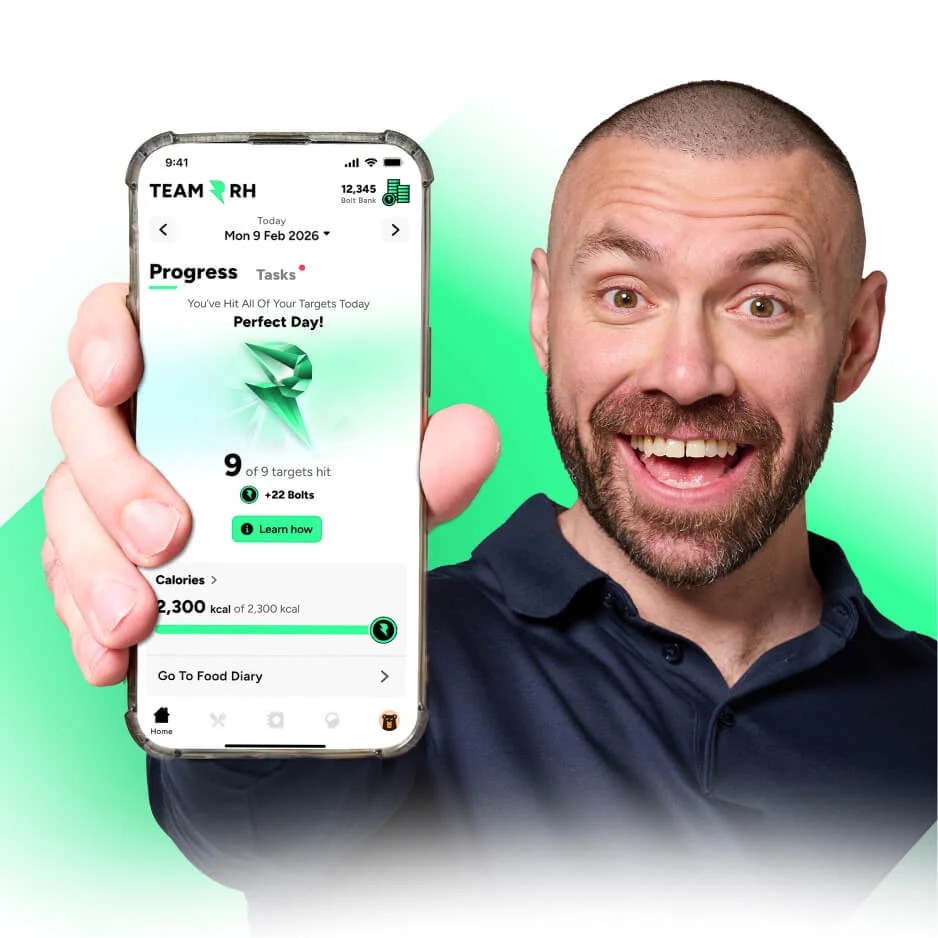
A weight management app is most useful when it turns broad intentions into repeatable daily actions. Food tracking, movement and progress reviews can create structure without demanding perfection. People who want a plan built around practical monitoring can explore Team RH UK while keeping health, consistency and realistic expectations at the centre of the routine.

Turn a General Goal Into Clear Daily Actions
A target such as losing weight or improving fitness is too broad to guide an ordinary day. The person needs smaller actions that can be completed even when motivation is low. Logging meals, preparing a useful lunch, walking after work or completing a short workout can each provide a clear task. Progress then depends less on making a dramatic decision every morning.
The plan should reflect the person’s starting point. Someone with a sedentary routine may benefit from adding movement gradually, while an experienced gym member may need better food consistency rather than more exercise. Sleep, work patterns, caring responsibilities and mobility all affect what is realistic. A plan that ignores those conditions may look impressive but remain difficult to follow.
People can explore Team RH UK for personalised app plans that include food tracking, recipes, progress tools and optional workouts. The app should be used as a structure for decisions rather than a source of constant judgement. A missed entry or difficult meal does not erase the rest of the week and should not trigger extreme restriction.
Anyone using prescription weight management medication should keep the prescribing clinician involved. Changes in appetite can affect meal size, hydration and nutrient intake. An app can support habits, but it cannot replace medical review, side-effect monitoring or individual advice about treatment. The person should follow the clinical plan rather than adjusting medication around an app target.
Use Tracking as Information Rather Than Punishment
Food tracking works best when entries are honest and reasonably accurate. Leaving out snacks, drinks or cooking ingredients can make the record less useful, while trying to weigh every crumb can make the process exhausting. The person needs enough detail to understand patterns without allowing tracking to dominate meals and social life.

Protein, fibre and meal volume can influence satisfaction, but the overall diet should remain varied. Fruit, vegetables, grains, dairy or alternatives and suitable protein sources can all contribute. Foods chosen for enjoyment can also fit when portions and frequency support the wider plan. A rigid good-food and bad-food system often makes ordinary eating more stressful.
Someone using Team RH UK can review trends in food, activity and body weight instead of reacting to one day. Scale readings can change because of hydration, digestion and other normal factors. A planned review point provides more useful information than repeated checking after every meal or workout.
Movement tracking should remain equally balanced. Step counts can encourage activity but do not measure strength, flexibility or recovery. Home and gym workouts can support fitness when technique and progression are appropriate. Rest is part of the plan because repeated training without recovery can reduce performance and make the routine harder to maintain.
Habits That Keep the Plan Workable
A few dependable habits can make the app useful without allowing it to control the entire day.
- Meals should be logged honestly enough to reveal patterns without demanding obsessive precision.
- Movement goals should reflect current ability and increase only when the body is coping well.
- A person can review Team RH UK while choosing a plan for weight loss, maintenance or medication-supported routines.
- Progress should be judged across a meaningful period rather than by one scale reading.
- Medical symptoms, disordered eating concerns or medication questions should be discussed with a qualified professional.
Review the Routine Without Resorting to Extremes
A useful review asks what is working, what is difficult and what can be simplified. If breakfast is repeatedly missed, the answer may be a faster option rather than a stricter rule. If workouts are regularly abandoned, the sessions may be too long or badly timed. Small adjustments protect consistency better than rebuilding the plan after every imperfect week.

The person should also recognise maintenance as a valid phase. Keeping weight stable while preserving useful habits can require attention and deserves its own plan. Calories, activity and appetite may need adjustment as body weight changes. The goal is not to remain in a permanent dieting mindset but to build routines that continue when active weight loss ends.
Support can help when progress slows or confidence drops. The person may use app guidance, community features or professional advice depending on the problem. Comparison with dramatic transformations can be misleading because starting points, health conditions and available time differ. The plan should be judged by its effect on the individual routine.
A structured app can make decisions clearer, but sustainable progress still depends on repeated behaviour. People who want tracking, education and practical exercise options in one place can explore Team RH UK and use the tools as support for a balanced routine rather than a promise of instant change.

A phone or tablet setup works best when protection, charging and everyday use are planned together. A bulky case can interfere with accessories, while an unsuitable charger can add clutter without improving convenience. Device owners can explore ESR Tech (UK) for cases, screen protection, magnetic charging and tablet accessories while checking compatibility at every step.

Protect the Areas Most Likely to Be Damaged
The case should match how the device is used. A commuter who keeps a phone beside keys and travel cards may need stronger edge protection than someone whose device stays on a desk. Raised edges can help protect the screen and camera when the phone rests on a flat surface, while reinforced corners may reduce damage from an ordinary drop.
Screen protection should be chosen for the display and the user’s priorities. Clear glass preserves appearance, privacy filters limit side viewing and paper-feel surfaces can make a tablet more comfortable for writing. Each option changes the experience slightly. The user should decide whether clarity, privacy or texture matters most before applying the protector.
Owners can review ESR Tech (UK) by device model and compare cases, screen protectors and camera lens protection designed for the exact version. A product made for a similar-looking model may cover a microphone, misalign with the camera or interfere with buttons. Model names and screen sizes should be confirmed in the device settings or original documentation.
Installation quality affects the result. The screen should be cleaned in a low-dust area and the protector should be aligned before firm pressure is applied. A case should sit evenly without lifting the protector at the edges. If the device already has damage, covering it does not repair the underlying problem and professional assessment may be needed.
Build Charging Around Real Habits
Charging equipment should reduce repeated cable changes. A multi-device station may suit a bedside table or desk where a phone, earbuds and watch are charged together. A simple magnetic pad may be better for someone who already owns separate chargers. The setup should have enough power outlets without creating a chain of overloaded adaptors.
Magnetic charging depends on alignment and compatible hardware. A case should support the relevant charging system and remain thin enough for a stable connection. The owner should check whether a stand holds the phone at a useful viewing angle and whether the device stays secure when touched. Convenience disappears when the phone slides or charging repeatedly starts and stops. Thick cards, metal attachments and poorly aligned rings can also interfere with a stable magnetic connection, so the complete setup should be tested together.

Someone comparing accessories through ESR Tech (UK) can consider foldable travel chargers, desk stations, magnetic wallets and protective cases as one connected system. The best combination should allow the case to stay on during charging and should not block the camera or controls. Buying each accessory separately without a compatibility plan can create avoidable returns.
Heat should be monitored during charging. Warmth can be normal, but excessive heat, damaged cables or a burning smell requires the charger to be disconnected safely. The owner should use suitable power adaptors and follow device guidance. Chargers should remain away from bedding, water and enclosed spaces that trap heat.
Checks for a Compatible Device Setup
A few checks prevent protective and charging accessories from competing with one another.
- Every accessory should match the exact phone, tablet, watch or earbud model.
- The case should protect edges and cameras without lifting the screen protector.
- A device owner can explore ESR Tech (UK) while checking magnetic charging and stand compatibility.
- Charging equipment should use an appropriate adaptor and remain well ventilated.
- Travel accessories should reduce cable clutter without adding unnecessary weight.
Adapt the Setup for Work and Travel
Tablet users may benefit from a keyboard case when the device regularly handles email, writing or study. The hinge should support several viewing angles and the keyboard should remain comfortable for the amount of typing expected. A detachable design can provide flexibility when the tablet also needs to stay light for reading or drawing.
Travel changes the priorities. A foldable charger can replace several plugs, while a stronger case may protect the phone in crowded bags. Cables should be labelled or kept in a small pouch so they do not become tangled with keys. A portable battery can support long journeys, but it should comply with transport rules and remain protected from damage.

The setup should be reviewed when the device changes. Old accessories may look reusable but fail to align with a new camera, button or charging standard. Passing compatible items to another user or recycling them responsibly is better than forcing them onto unsuitable hardware. The new device should not be exposed while the owner waits for protection.
A coordinated accessory system makes the device easier to use and protect. Owners who have confirmed the model, charging needs and working environment can explore ESR Tech (UK) and select products that function together rather than collecting unrelated extras.

Electric bicycles revolutionize personal transportation through pedal-assisted propulsion combining human effort with electric motor support. E-bikes enable commuters covering longer distances without excessive physical strain while maintaining exercise benefits through active pedaling. Urban congestion increasingly motivates shifts toward alternative transportation methods reducing traffic, emissions and parking pressures. Technological advances in battery efficiency and motor design have transformed e-bikes into practical daily transportation solutions for diverse commuting scenarios. Engwe manufactures premium electric bicycles engineered for comfortable, efficient and sustainable urban and recreational riding.
Electric Bike Technology and Motor Systems
Electric bicycle motors employ distinct designs and placement strategies affecting riding characteristics and performance. Hub motors integrated into wheel centers provide simple, low-maintenance propulsion ideal for flat terrain and casual riding. Mid-drive motors positioned at cranksets deliver natural riding feel and efficient pedal-to-wheel power transfer, preferred by serious cyclists. Motor power ratings measured in watts determine acceleration and hill-climbing capability across varied terrain. Engwe systems select motor configurations matching specific riding applications and terrain requirements.
Battery Technology and Range Considerations
- Lithium-ion battery packs provide extended range on single charges, typically 40-100 kilometers depending on rider weight and terrain difficulty.
- Removable batteries enable convenient charging without requiring bike access, supporting apartment dwellers and office charging stations.
- Battery management systems monitor cell health and optimize charging cycles extending lifespan to 1000 plus charge cycles.
- Rapid charging technology replenishes batteries in 4-6 hours, enabling multiple daily commutes without extended charging delays.
- Battery capacity measured in watt-hours directly affects range, with larger capacity enabling longer rides between charging sessions.
Pedal Assistance Levels and Riding Modes

E-bike pedal assistance systems offer multiple power levels enabling riders optimizing motor contribution matching fitness levels and terrain requirements. Eco mode minimizes battery consumption through gentle motor assistance ideal for flat terrain and short commutes. Standard mode balances assistance and battery efficiency for typical riding conditions. Maximum power mode delivers full motor support overcoming steep hills and heavy loads. Engwe bikes feature intuitive selection enabling riders adjusting assistance responding to changing conditions and fatigue levels during rides.
Commuting Benefits and Urban Transportation Advantages
E-bikes transform commuting through efficiency gains and convenience advantages over automobile and traditional bicycle transportation. Arriving at destinations without excessive perspiration enables professional appearance maintenance. Sweat-free arrival eliminates workplace shower facility requirements and clothing change needs. Weather protection and ergonomic designs enable year-round commuting regardless of seasonal conditions. Fixed operating costs far below automobile ownership and fuel consumption provide substantial economic benefits. Parking simplicity and traffic congestion avoidance improve commute predictability and stress levels significantly.
Health and Fitness Contributions from Active Riding
Engwe e-bikes maintain exercise benefits through pedal requirement and continuous engagement during rides. Active pedaling builds cardiovascular fitness and leg strength despite motor assistance reducing maximum exertion. Flexible assistance levels accommodate varying fitness levels and recovery periods from intensive training. Longer ride distances encourage extended exercise periods compared to traditional bicycles limiting participation. Joint-friendly operation suits older riders and those with previous injuries seeking comfortable exercise. Consistent commuting provides regular physical activity supporting long-term health outcomes and wellness development.
Environmental Sustainability and Zero-Emission Transportation
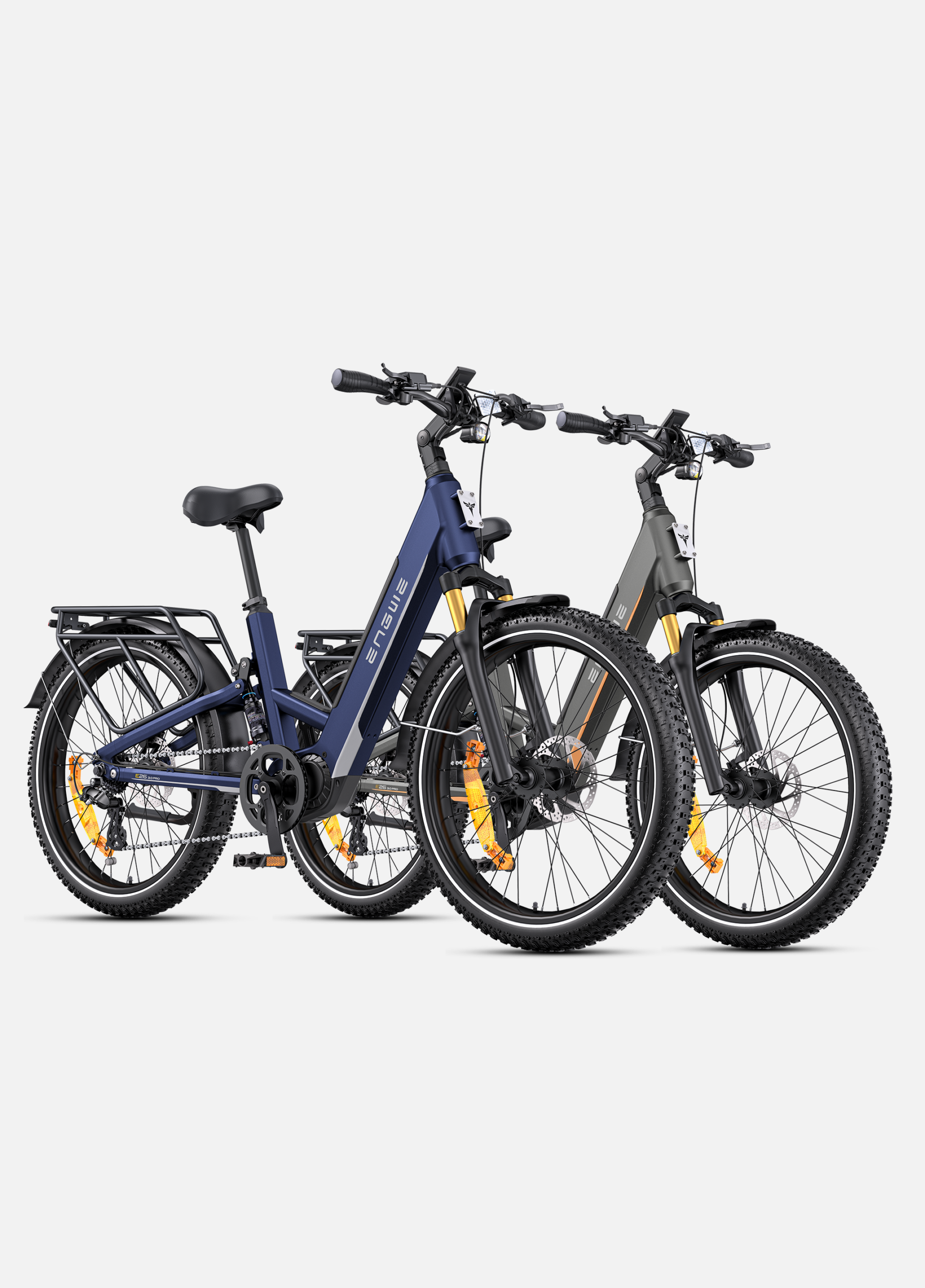
E-bikes eliminate tailpipe emissions contributing to improved urban air quality and reduced pollution exposure. Electricity generation increasingly relies on renewable sources, making e-bike operation carbon-neutral depending on grid composition. Minimal resource consumption during manufacturing and operation contrasts sharply with automotive production and fuel refining requirements. Infrastructure requirements pale in comparison to automobile roadways requiring extensive land utilization and environmental disruption. Wide adoption would substantially reduce transportation sector emissions accelerating climate change mitigation efforts. Personal transportation choices directly impact community air quality and public health outcomes.
Design Considerations and Riding Comfort
Quality e-bike design prioritizes comfort enabling extended riding without excessive fatigue or discomfort. Suspension systems absorb road vibration and impacts, preserving joints and enabling smooth experiences on rough surfaces. Ergonomic geometry positions riders comfortably reducing back strain during extended commutes. Quality seat padding and design prevent saddle soreness limiting ride participation. Engwe engineering emphasizes comfort alongside performance delivering enjoyable riding experiences encouraging consistent use and ridership satisfaction.
Safety Features and Visibility Enhancement
E-bike safety depends on visibility and braking performance. Integrated lighting systems improve visibility during evening commutes reducing accident risks. Reflective elements enhance detection by automobile drivers in low-light conditions. Disc brakes provide superior stopping power compared to traditional rim brakes, essential for heavier e-bike weights. Electronics monitoring systems prevent accidents through real-time feedback and assist optimization. Quality construction prevents mechanical failures compromising safety during operations and emergency situations.
Cost Considerations and Financial Benefits
Initial e-bike investment produces rapid financial returns through eliminated fuel costs, reduced maintenance expenses and extended vehicle lifespan. Insurance costs pale compared to automobile coverage requirements. Parking avoidance eliminates expensive urban parking fees accumulating over months and years. Commuting cost per kilometer drops dramatically compared to automobile operation consuming fuel and requiring regular maintenance.
Electric bicycles represent pragmatic transportation solutions balancing convenience, sustainability and health considerations for contemporary commuters. Engwe electric bikes deliver efficient, comfortable riding combining traditional cycling benefits with modern electric propulsion technology, enabling sustainable transportation across urban and recreational environments.

Electric mobility covers several very different products, from compact scooters to pedal-assisted bikes and mobility models designed for slower travel. The right choice depends on terrain, storage, comfort and permitted use. Buyers comparing these categories can explore iscooterglobal while treating range and speed claims as only part of the decision.

Choose the Format Before Comparing Specifications
An electric bike supports longer journeys and still allows pedalling when assistance is reduced. It may suit a rider who wants a familiar cycling position, larger wheels and space for luggage. An electric scooter is more compact and easier to store in some homes, but small wheels and a standing position create a different experience on uneven surfaces. A mobility scooter prioritises stability, access and controlled travel rather than sporting performance.
The buyer should identify where the product will be used. Private land, paths, roads and public spaces can be governed by different rules. Current local law, landowner permission and transport policies should be checked before purchase because owning a vehicle does not automatically make every location legal or suitable for riding.
A buyer can explore iscooterglobal for electric bikes, scooters, mobility models and related accessories after deciding which format fits the intended journey. Comparing products from different categories by headline range alone can be misleading. Riding position, wheel size, braking, lighting and the ability to move the vehicle when the battery is empty may matter more.
The user’s body and confidence should also guide the choice. Step-through frames can make mounting easier, while a seat may reduce fatigue on certain scooter formats. Handlebar height, deck space and control reach should feel natural. A vehicle that requires an awkward posture is unlikely to become comfortable simply because it has a powerful motor. The buyer should also consider how the vehicle will be moved when riding is not possible, including stairs, train platforms, car loading and a flat battery.
Treat Range as a Planning Estimate
Published range is usually measured under defined conditions. Rider weight, hills, wind, tyre pressure, temperature and repeated acceleration can reduce the distance achieved in everyday use. A sensible buyer leaves a margin rather than choosing a vehicle whose claimed maximum only just covers the planned journey.

Battery size affects weight and charging time as well as range. A larger battery may be useful for longer routes, but it can make the vehicle harder to lift into a car or carry through a building. The buyer should confirm whether the battery is removable, where it can be charged and whether replacement support is available for the model.
Shoppers comparing options through iscooterglobal should look beyond motor power and top speed. Brake type, tyre construction, suspension and visibility features all influence control. Faster capability also increases the need for appropriate protective equipment, rider skill and a legal setting where the vehicle can be used responsibly.
Storage can decide whether the product remains convenient. A folding model still has weight and dimensions when folded. The household should measure hallways, stairs, lifts, car boots and charging areas. The vehicle should not block an escape route or rest where a hot battery, damaged cable or wet floor can create risk. Access to servicing, replacement tyres and model-specific parts should be confirmed because even a suitable vehicle becomes impractical when routine maintenance cannot be arranged.
Checks Before Choosing an Electric Vehicle
A practical review connects the vehicle to the route, the rider and the storage available at home.
- The buyer should confirm where the vehicle can be used under current local rules.
- The chosen format should suit the rider’s balance, posture, mobility and confidence.
- A shopper can review iscooterglobal while comparing realistic range, vehicle weight and charging needs.
- Brakes, tyres, lights and protective equipment should be considered before speed or appearance.
- The household should have a dry secure place for storage and charging.
Plan for Maintenance and Safe Charging
Tyre pressure, brake response, folding mechanisms and fasteners should be checked regularly. Small changes can affect stability and stopping distance. The owner should follow the maintenance schedule and use compatible replacement parts. Unusual movement, noise or damage should be investigated before the vehicle returns to use.
Charging should follow the manufacturer’s instructions. The correct charger should be used on a stable surface away from moisture, heat and combustible clutter. Damaged batteries, swollen cases, burnt smells or unusually hot components require immediate attention and professional support. A battery should not be modified to increase performance.

Weather affects both control and equipment. Wet surfaces can lengthen stopping distance, while deep water can damage electrical components even when a product has some water resistance. The rider should adapt speed and route to visibility, grip and comfort. A journey can be postponed when conditions exceed the rider’s ability or the vehicle’s guidance.
Electric mobility works best when the product fits real travel rather than an idealised specification. Buyers who have considered legality, terrain, storage and maintenance can explore iscooterglobal and select a format that remains manageable every day.
