

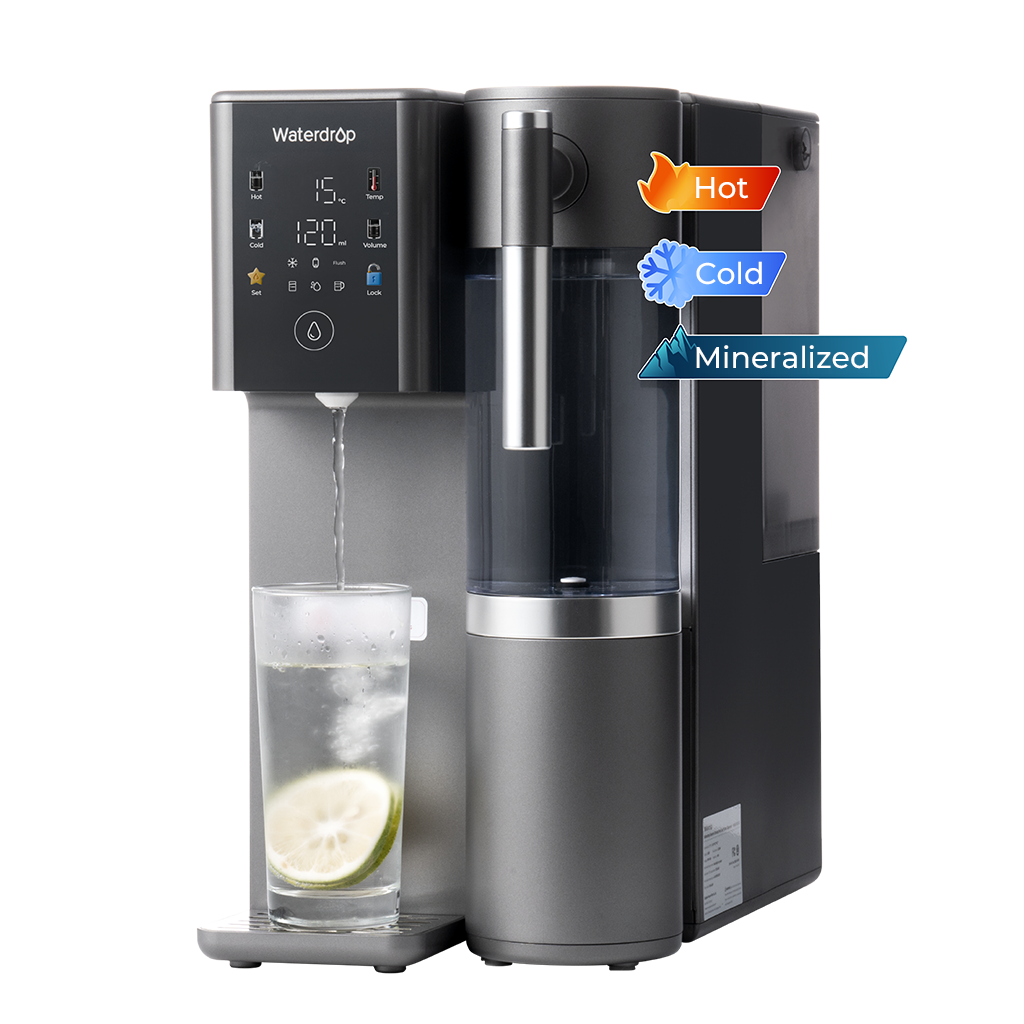
Home water filtration should match the kitchen, the local water concern and the household’s willingness to maintain the system. A compact jug, countertop dispenser and under-sink unit solve different problems. Households comparing those formats can explore Waterdropfilter UK while considering available space, daily flow and replacement filter requirements.
Define the Purpose of Filtration First
A household should begin by identifying what it wants to improve. Some people dislike the taste or smell of tap water. Others want a system that reduces specific substances or provides filtered hot and cold water from one unit. The product choice should be based on verified performance for the concern rather than a general assumption that every filter removes everything.
Local water information can provide useful context. The water supplier may publish quality reports, while private testing may be appropriate for a property with an unusual plumbing concern or private supply. Results should be interpreted carefully because total dissolved solids, hardness and contamination are not interchangeable terms. A low reading on one measure does not prove that water is free from every unwanted substance. The household should also consider whether filtration is intended for one drinking tap or for a wider cooking routine because that choice changes capacity needs.
Households can review Waterdropfilter UK for filter jugs, countertop reverse osmosis dispensers, direct-connect filters and tankless under-sink systems. Each format changes installation, output and maintenance. A renter may prefer a unit that does not alter plumbing, while a homeowner renovating the kitchen may accept a more permanent installation.
The household should also decide how much filtered water it actually uses. Drinking, cooking, coffee preparation and filling bottles can create higher demand than expected. A small jug may suit one person but frustrate a larger family through constant refilling. Oversized equipment can create the opposite problem by occupying valuable space for limited use.
Compare Space, Flow and Installation
Countertop systems need a stable surface, access to power when required and enough height beneath cupboards. The household should measure the full footprint rather than relying on a product photograph. Doors, drawers and preparation areas still need to work after the unit is placed. A dispenser that blocks the main work surface may become inconvenient despite performing well.
Under-sink systems free the counter but require cabinet space and compatible plumbing. The household should understand whether a dedicated tap is needed, whether drilling is involved and how wastewater is handled. Professional installation may be sensible when the instructions, pipe layout or electrical requirements exceed the resident’s experience. Renters should obtain any required permission before altering plumbing, worktops or cabinetry and should keep original parts for a future move.

Someone comparing systems through Waterdropfilter UK should examine certified reduction information for the exact model. Certification names, tested substances and replacement intervals can differ across the range. Marketing phrases such as multi-stage or advanced do not explain performance on their own. The supporting specification should connect directly to the household’s stated concern.
Flow rate affects daily convenience. A system used only for drinking glasses can operate differently from one expected to fill cooking pots and several bottles each morning. Storage tanks may provide ready water but occupy space, while tankless systems can produce on demand and may generate wastewater during filtration. The practical trade-off should be understood before installation.
Checks Before Selecting a System
These checks help a household compare filtration formats without overlooking maintenance or space.
- The chosen model should address a clearly identified water concern with relevant test information.
- Counter, cabinet, tap and power requirements should be measured before the order is placed.
- A household can explore Waterdropfilter UK while comparing replacement filter cost and availability for each system.
- The expected flow should suit drinking, cooking and bottle filling without excessive waiting.
- Installation should remain within the resident’s skills or be assigned to a suitable professional.
Maintain the System as Part of the Kitchen Routine
A filter cannot perform as intended when replacement is repeatedly delayed. The household should record installation dates and follow the model’s guidance rather than waiting for taste to change. Some systems provide a filter-life indicator, but the owner should still understand what it measures and how to reset it correctly after replacement.
Cleaning deserves equal attention. Jugs, reservoirs, taps and removable trays can collect residue through normal use. The instructions should guide cleaning products and disassembly because harsh chemicals or incorrect handling can damage components. Fresh filters should be installed with clean hands and protective packaging should remain in place until needed.

Leaks, unusual noise, reduced flow or unexpected changes in taste should be investigated. The system may need a new filter, cleaning or technical support. A household should not continue using a visibly damaged unit or attempt an unsafe repair around water and electricity. Model information and proof of purchase can make support easier to obtain.
A suitable system should quietly support the kitchen rather than create another complicated appliance. Households that have assessed the water concern, space and maintenance commitment can explore Waterdropfilter UK and choose a format that remains practical after the initial installation.

Designer casualwear earns its place when it can be worn often, styled in several ways and cared for without difficulty. A strong wardrobe does not require a large collection of logos or trend-led pieces. Shoppers looking for premium T-shirts, polos, hoodies and relaxed separates can explore MRDrippz while focusing on fit, versatility and long-term use.

Start With the Gaps in the Existing Wardrobe
The shopper should begin by reviewing what is already worn. A wardrobe may contain several statement tops but no reliable layer for cooler weather. It may have dark trousers yet lack a lighter option that works with neutral footwear. Buying another version of an existing item can feel satisfying at first, but it rarely improves the number of complete outfits available.
A short list of gaps keeps the search focused. One well-cut T-shirt may support jeans, tailored trousers and shorts. A polo can move between relaxed offices, dinners and travel. A plain hoodie may work beneath a jacket as well as with matching casual bottoms. Each purchase should connect to at least two or three items already owned.
Someone comparing designer casualwear through MRDrippz can organise the search by garment type rather than by label alone. This makes it easier to compare fabric, shape and colour across different designers. The brand name may influence the aesthetic, but the garment still needs to work with the wearer’s proportions and normal routine.
Colour should be chosen with the same discipline. Black, navy, grey, cream and muted earth tones are usually easier to repeat, while a brighter piece can provide one deliberate focal point. A wardrobe filled with unrelated statement colours may create excitement on the rail but little flexibility when an outfit needs to be assembled quickly.
Judge Fit, Fabric and Construction Together
Designer sizing can vary substantially. A medium in one label may fit like a small or large in another, especially when the intended cut is oversized, slim or cropped. The shopper should use garment measurements where available and compare them with a familiar piece at home. Chest width, shoulder position, body length and sleeve length are more useful than the letter on the tag.
Fabric influences both appearance and care. Heavy cotton can create a structured T-shirt, while a lighter jersey may drape more softly. A sweatshirt with a dense loopback or brushed interior may feel substantial but require more drying time. Knitted collars, ribbed cuffs and embroidered details should lie smoothly without pulling or distortion.
Shoppers can explore MRDrippz for casual pieces from established designer labels, then examine product descriptions and images closely before choosing. Seams, prints, embellishment and hardware should suit the intended frequency of wear. A highly decorated item may be ideal for occasional use, while a simpler design can provide better value through regular rotation.
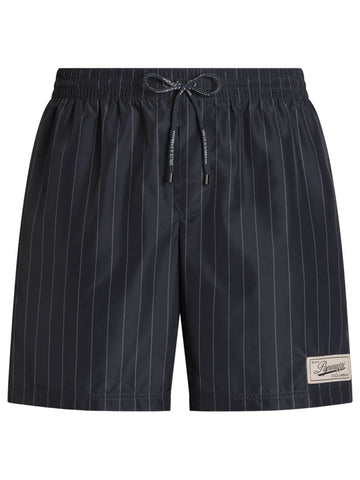
Fit should be tested through movement rather than a single mirror pose. The wearer should sit, reach and raise the arms. A T-shirt that rides sharply upward or a hoodie that restricts the shoulders may remain uncomfortable despite looking correct from the front. Clothing should support ordinary movement without requiring constant adjustment. The wearer should also consider whether the fabric weight suits the seasons and indoor settings in which the garment will be used most often.
Checks Before Adding a Premium Piece
A few practical checks protect the wardrobe from expensive items that rarely leave the hanger.
- The garment should create several complete outfits with pieces already in the wardrobe.
- Measurements should be compared with a familiar item rather than relying only on the labelled size.
- A shopper can review MRDrippz while considering fabric care, return terms and the intended frequency of wear.
- Logos, prints and embellishment should match the wearer’s normal style rather than a brief trend.
- The purchase should fit the clothing budget without displacing more essential wardrobe needs.
Protect the Wardrobe Through Care and Rotation
Care labels should guide washing, drying and ironing. High heat can affect prints, embroidery, elastic and garment shape. Turning decorated clothing inside out can reduce friction, while washing similar colours together protects lighter fabrics. The item should not be cleaned more aggressively than necessary simply because it carries a premium label.
Storage should respect the garment. Knitwear and heavy sweatshirts may stretch when left on narrow hangers, while crisp shirts and jackets often benefit from structured support. Shoes, bags and rough hardware should not press against delicate prints. A small amount of organised space can preserve a garment better than an overcrowded rail.

Rotation improves both style and lifespan. Wearing one expensive hoodie continuously can make it look tired long before the rest of the wardrobe has been used. Alternating layers and tops allows fabric to recover and makes different combinations feel intentional. Accessories can change the mood without requiring another major purchase.
A designer wardrobe feels strongest when every item has a role. Shoppers who want casual pieces with recognisable labels can explore MRDrippz and select garments that earn repeated wear through fit, compatibility and careful maintenance.

Mass production dominates modern consumer markets, yet significant demand persists for handcrafted goods emphasizing quality, uniqueness and individual artistry. Handmade products carry distinct character reflecting maker expertise and creative vision impossible to replicate through automated manufacturing. Each piece tells a story embodying hours of skilled labor and meticulous attention to detail. Consumers increasingly value authenticity and supporting independent artisans creating distinctive products. Thesupermade Inc specializes in artisanal creation and handcrafted excellence, producing unique items celebrating traditional craftsmanship and contemporary design sensibilities.
The Artisan Movement and Return to Handmade Quality
Contemporary consumers increasingly recognize handmade alternatives superior to mass-produced equivalents through fundamental quality differences. Industrial production prioritizes cost minimization and maximum output volume, often compromising material quality and construction standards. Artisans prioritize final product excellence above all else, accepting lower production volumes to maintain exacting standards. Each handcrafted item reflects maker knowledge, experience and commitment to excellence. Thesupermade Inc embodies these principles through dedicated focus on quality and individual artistic expression in every creation.
Materials Selection and Quality Standards

- Premium materials sourced from reliable suppliers ensure handcrafted products maintain durability and aesthetic appeal throughout extended ownership periods.
- Natural materials preserve environmental sustainability compared to synthetic alternatives, reducing ecological footprints and supporting responsible consumption patterns.
- Material diversity enables customization and personalization reflecting individual buyer preferences and usage requirements.
- Quality verification throughout production prevents defects compromising finished product integrity and customer satisfaction.
- Ethical sourcing practices support fair compensation for material suppliers and responsible resource management.
Design Philosophy and Creative Expression
Thesupermade Inc products reflect purposeful design balancing aesthetic beauty with functional utility. Each piece emerges from creative vision translated into physical form through skilled execution. Contemporary design sensibilities complement traditional craftsmanship techniques creating modern products with timeless appeal. Limited production runs preserve exclusivity and rarity distinguishing handcrafted items from mass-produced commodities. Buyers appreciate owning distinctive pieces reflecting personal style and supporting independent creative vision.
Production Process and Artisan Craftsmanship

Handmade production encompasses meticulous processes demanding extensive skill development and practical experience. Artisans spend years mastering techniques, understanding material properties and refining execution methods. Each step receives individual attention, enabling real-time adjustments responding to material behavior and aesthetic outcomes. Quality control occurs throughout production rather than isolated final stages. Thesupermade Inc artisans invest substantial time in every piece, ensuring exceptional finished products justifying premium pricing. Advanced craftsmanship distinguishes genuine handmade pieces from mass-produced items superficially resembling artisan work.
Customization and Personalization Possibilities
Handmade production enables customization options impossible through mass manufacturing. Artisans accommodate buyer specifications regarding size, color, materials and design details. Custom orders establish direct communication between creators and clients, fostering personal connections and satisfaction. Personalization transforms generic products into meaningful possessions reflecting individual identity and preferences. This flexibility appeals to discerning consumers seeking items transcending standard consumer product expectations. Thesupermade Inc welcomes custom inquiries enabling buyers to commission bespoke pieces perfectly matching their vision.
Durability and Longevity Through Quality Construction
Handcrafted products typically demonstrate superior longevity compared to mass-produced alternatives through superior construction methods and premium materials. Careful construction techniques prevent premature failure modes compromising mass-produced goods. Quality materials age gracefully, developing character and patina enhancing aesthetic appeal. Proper maintenance preserves handmade items for decades or generations, creating meaningful heirlooms. This extended lifespan justifies premium initial investment through exceptional value across product lifespans. Environmental benefits emerge through reduced replacement frequency and waste generation. Sustainability-conscious consumers appreciate durable products reducing consumption cycles and landfill contributions.
Supporting Independent Artisans and Local Economies
Purchasing handcrafted products directly supports independent creators and small-scale production supporting local economies. Income reaches artisans rather than corporate intermediaries extracting excessive profit margins. Fair compensation enables artisans sustaining creative practices and developing advanced skills. Community benefits emerge through local economic activity and employment. Thesupermade Inc buyers participate in supporting artisan communities and preserving traditional craft knowledge for future generations.
Storytelling and Emotional Connection to Handmade Goods
Handmade products carry narrative elements connecting buyers to creative processes and artistic vision. Understanding maker background, inspiration and technique enriches appreciation and ownership experience. Each piece becomes conversation-starting element reflecting buyer values and aesthetic preferences. Emotional connections transform functional objects into meaningful possessions beyond utilitarian purpose. This depth of connection distinguishes handmade items from interchangeable mass-produced commodities. Stories behind creations add immeasurable value transcending physical product attributes.
Investment Value and Collectible Appreciation
Exceptional handmade pieces often appreciate in value over time as artisan reputation grows and production scarcity increases. Collecting genuine artisan work represents both aesthetic enjoyment and financial investment. Museums and galleries increasingly recognize handcrafted excellence worthy of preservation and exhibition. Younger collectors embrace artisan work as alternative investments supporting creative talent. Limited edition pieces become valuable as original makers retire or shift focus to different projects.
Contemporary consumers increasingly recognize handcrafted excellence superior to mass production through quality, uniqueness and individual artistry. Thesupermade Inc exemplifies artisanal commitment to quality and creative expression, offering distinctive products celebrating traditional craftsmanship and contemporary design in every handmade creation.
Tactical flashlights serve diverse purposes beyond casual illumination, from professional security work to outdoor expeditions and emergency preparedness. Quality lighting equipment combines durability, brightness and reliability in demanding situations where standard consumer flashlights prove inadequate. NITECORE Store specializes in professional-grade illumination solutions engineered for tactical applications and advanced users requiring superior performance standards.
Understanding Tactical Flashlight Technology
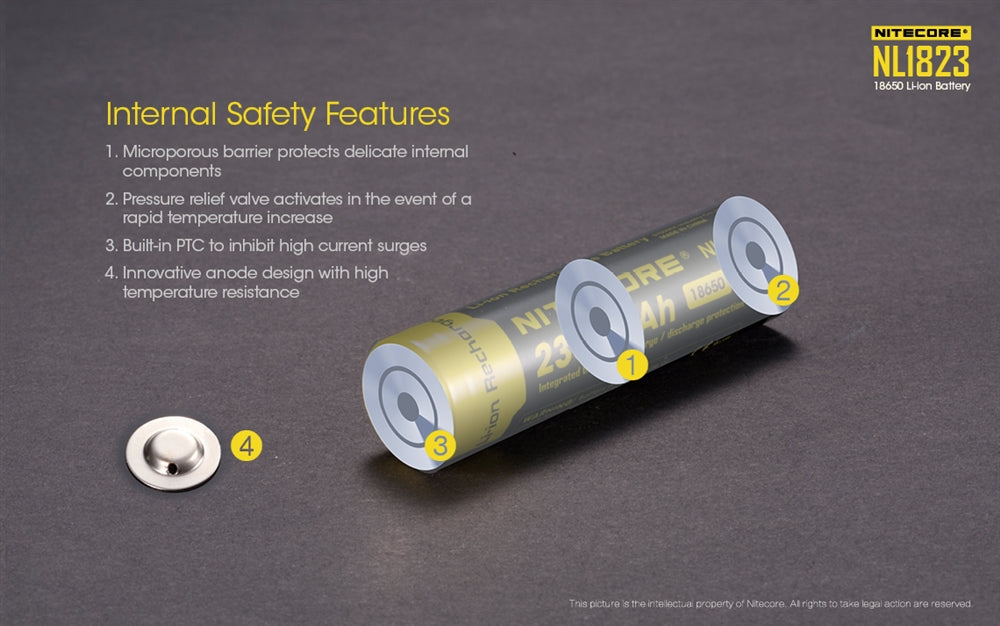
Tactical flashlights differ fundamentally from consumer models through advanced LED technology, precision engineering and rugged construction. High-output LEDs produce brightness measured in lumens, far exceeding conventional flashlights. Beam focusing options range from tight spotlights to wide flood patterns, enabling versatile illumination. Advanced driver circuits manage power efficiently, extending runtime on single battery charges. Reinforced aluminum bodies withstand impacts and harsh environmental conditions. Tactical switches provide momentary and constant-on modes enabling rapid deployment. These engineering choices prioritize reliability and performance in professional environments where equipment failure creates unacceptable risks.
Applications Across Professional and Recreational Sectors
- Law enforcement and security personnel rely on tactical lights for suspect identification, evidence documentation and officer safety during nighttime operations.
- Military applications require dependable illumination for tactical operations, vehicle maintenance and search and rescue missions in remote locations.
- Search and rescue teams depend on extended runtime and powerful illumination for locating missing persons during nighttime operations.
- Outdoor enthusiasts, hikers and campers benefit from reliable backup lighting and powerful beams for wilderness navigation and emergency situations.
- Emergency responders utilize tactical flashlights during rescue operations, disaster response and hazardous environment assessments.
Brightness Levels and Lumen Output Specifications
NITECORE Store offers flashlights spanning diverse brightness levels matching specific application requirements. Entry-level models produce 200-500 lumens suitable for general outdoor use and utility work. Mid-range tactical flashlights generate 800- lumens for professional security and search operations. High-performance models exceed 4000 lumens for long-distance illumination and intense brightness applications. Understanding brightness requirements prevents purchasing overpowered equipment generating unnecessary heat or under-powered models failing to meet operational demands. Battery consumption scales with brightness, requiring balancing power output against runtime requirements in extended operations.
Battery Technology and Runtime Considerations
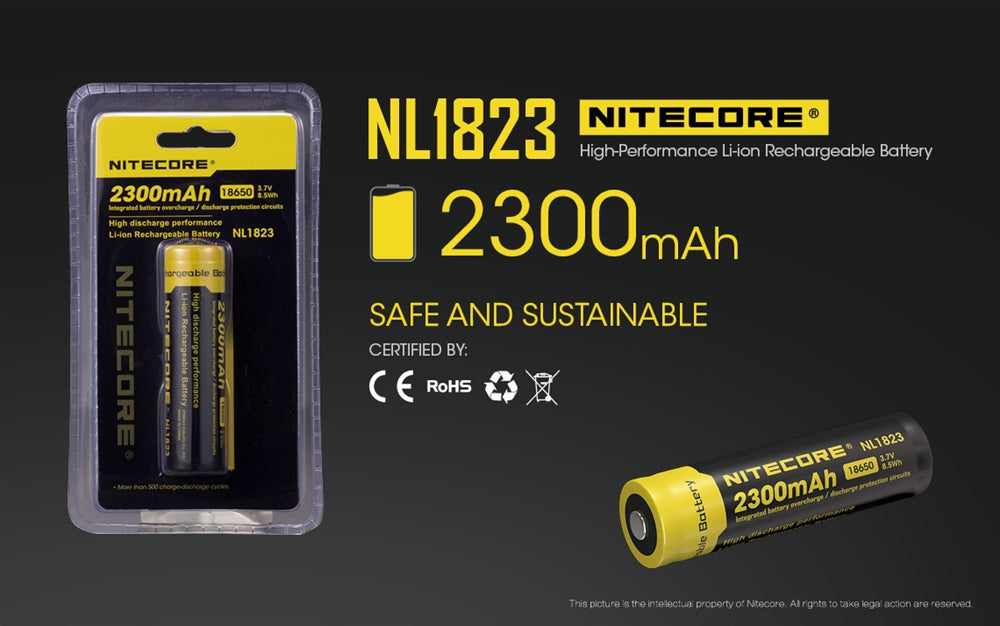
Tactical flashlights employ rechargeable lithium-ion batteries or standard alkaline/18650 battery formats. Rechargeable systems reduce operating costs and environmental impact over extended ownership periods. USB charging capability provides convenient replenishment without specialized equipment. Battery capacity measured in milliamp-hours directly affects runtime between charges. NITECORE Store models include intelligent charging systems protecting battery lifespan and enabling safe rapid recharging. Professionals selecting tactical equipment verify battery availability and charging infrastructure supporting their operational environments. Backup batteries ensure continuous capability during extended missions or emergencies.
Durability Standards and Environmental Sealing
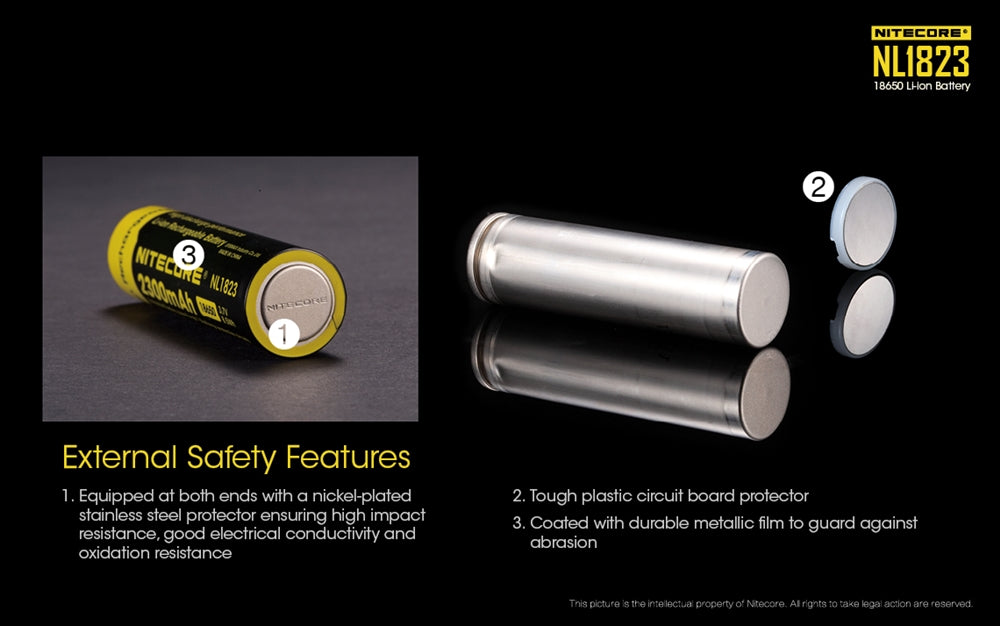
Tactical flashlight construction emphasizes reliability through precision machining and quality materials. Aircraft-grade aluminum bodies withstand drops, impacts and rough handling without performance degradation. Anodized finishes resist corrosion from moisture and chemical exposure. Water resistance ratings from IPX4 (splash-proof) to IPX8 (submersible) accommodate diverse environments. O-ring sealing protects internal electronics from moisture ingress. Impact-resistant lens materials prevent cracks compromising light output. These durability features justify premium pricing for professional applications where equipment failure creates operational risks and potential liability. Consumer-grade alternatives cannot reliably meet these demanding standards.
User Interface and Control Features
Professional tactical flashlights incorporate intuitive control systems enabling rapid mode selection during high-stress situations. Side-mounted switches provide tactical switching methods adapted to shooting styles and equipment configurations. Multi-mode interfaces offer brightness adjustment, strobing and red light options accommodating varied operational requirements. NITECORE Store designs prioritize user-friendly interfaces preventing inadvertent mode changes during critical operations. Smooth mode transitions between brightness levels enable gradual illumination adjustment preserving night vision. Professional users appreciate consistent interface design across equipment enabling rapid adaptation between multiple tactical lights.
Beam Distance and Illumination Patterns
Effective illumination requires balancing beam distance against flood coverage matching specific operational requirements. Long-range spotlights illuminate targets 200+ meters distant, ideal for perimeter security and long-range observation. Wide flood patterns illuminate nearby areas effectively, preferred for close-quarters tactical operations. NITECORE Store offers specialized beam options including programmable patterns and adjustable focuses. Understanding terrain and operational distances informs beam selection decisions. Multi-mode lights enable rapid adjustment between patterns as operational requirements change during missions.
Accessories and Modular System Options

Comprehensive tactical systems expand flashlight versatility through mounting solutions and accessories. Rail-mounted systems attach flashlights to weapons and equipment enabling hands-free illumination. Holster options enable rapid access to backup lights. Diffuser attachments modify beam patterns for specific applications. Extended battery tubes increase runtime during extended operations. Protective cases preserve equipment between deployments. NITECORE Store provides complete accessory ecosystems enabling customized configurations matching individual operational preferences.
Cost Considerations and Total Ownership Analysis
Premium tactical flashlights command higher initial investment compared to consumer alternatives, justified through superior reliability and extended lifespan. Professional applications generate costs exceeding equipment failures causing mission delays or safety compromises. Multi-year operational service life distributes initial investment across extended periods. Reduced replacement frequency and minimal maintenance requirements reduce total cost of ownership. Organizations prioritizing equipment reliability consistently select established professional brands over budget alternatives risking mission success.
Selecting reliable tactical illumination requires understanding operational requirements, performance specifications and durability standards differentiating professional equipment from consumer alternatives. Premium tactical flashlights deliver consistent performance across demanding environments and extended operational periods, supporting safety and mission success for professional users and serious outdoor enthusiasts alike.

Clinician-led metabolic health support should begin with a complete picture of the patient rather than a target number on the scales. Medical history, blood results, current medicines and daily habits all shape safe decisions. A woman considering SheMed should expect assessment, monitoring and honest discussion before any treatment plan is selected.

Prepare for a Full Clinical Assessment
The patient should gather information about current and previous health conditions. This includes diabetes, thyroid concerns, high blood pressure, digestive problems, gallbladder issues, pancreatitis, eating disorders and significant mental health history. Family history may also matter. The purpose is not to create an alarming list. It is to help the clinician identify risks that may change the available options.
Every medicine and supplement should be recorded with the dose when known. Some treatments can affect appetite, blood sugar, digestion or the absorption of other medicines. Contraception, fertility plans, pregnancy and breastfeeding also require direct discussion because they can alter whether a weight management medicine is appropriate. The patient should not rely on an online summary when the prescribing clinician needs precise information.
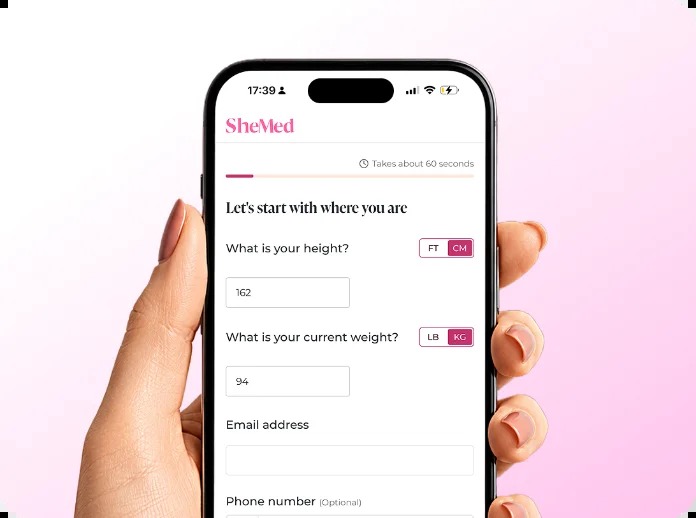
SheMed includes clinician-led assessment and may use at-home blood testing to examine aspects of metabolic health. The patient should follow the collection instructions carefully and report any difficulty with the sample. Results should be interpreted by a qualified professional because one number rarely explains fatigue, weight change or another broad symptom on its own.
The patient should also describe previous weight management attempts without minimising them. Useful details include what felt sustainable, what caused difficulty and whether weight returned after a plan ended. This helps the clinician understand routine, appetite, access to food and emotional patterns. A safe assessment should not treat lack of progress as a character flaw.
Build Support Around the Medical Plan
Medication, when prescribed, is only one part of care. Regular meals, adequate protein, fibre, fluids and micronutrients still matter when appetite changes. A patient who eats much less may find it harder to meet nutritional needs unless meals are planned deliberately. The clinical team should explain how to respond when nausea, constipation or reduced appetite affects normal eating.
Movement should support health rather than punish the body. Walking, resistance work and ordinary daily activity can help preserve function, but the plan should match fitness, joint comfort and medical advice. Rapid increases in exercise can create injury or fatigue, especially when food intake has changed. Consistent moderate activity is often easier to maintain than an intense programme started during a burst of motivation.
A woman using services from SheMed should know how to contact the clinical team when side effects or questions arise. She should understand which symptoms can be discussed at a routine review and which require prompt medical attention. Dose changes should be directed by the prescriber rather than copied from another patient or accelerated to pursue faster results.
Progress measures should extend beyond weight. Waist measurement, energy, mobility, sleep, blood results and the ability to complete daily tasks may provide useful context. At the same time, the patient should avoid constant checking that increases anxiety. The clinician can help establish a review schedule that supplies enough information without making the process dominate everyday life.
Information That Supports Safer Follow-Up
A concise record helps the patient and clinical team make decisions from reliable information.
- The patient should keep an accurate list of medicines, supplements and relevant diagnoses.
- Blood test instructions should be followed closely and unexpected results should be discussed with a clinician.
- Questions for SheMed should include side effects, monitoring, dose review and the intended length of care.
- Meals should remain nutritionally useful even when appetite is lower than usual.
- Any severe or unexpected symptom should be reported through the appropriate medical route without delay.
Use Follow-Up to Protect Long-Term Progress
Follow-up is not a formality. It allows the prescriber to review response, tolerability and changes in other health conditions. The patient should report missed doses, new medicines and any attempt to obtain additional treatment elsewhere. Duplicate prescribing or uncoordinated dose changes can create avoidable risk.
The plan should also address what happens when treatment changes or ends. Appetite may shift and old routines may return. A patient who has learned practical meal structure, movement habits and self-monitoring has more support than one who has relied on medication alone. Maintenance deserves the same planning as the initial phase.

Emotional wellbeing should remain part of the conversation. Weight-focused care can affect confidence, body image and relationships with food. The patient should mention obsessive tracking, fear around eating or distress linked to progress. A clinician may recommend additional support when the treatment plan is creating psychological strain.
SheMed should be considered as a clinical service rather than a shortcut or guaranteed result. The programme can provide assessment and ongoing contact, but the patient still needs informed consent, realistic expectations and coordinated care with other healthcare professionals when necessary. She should also understand how records and treatment updates will be shared with her usual healthcare team when that communication is clinically important.

A private medical cannabis consultation should be approached as a clinical assessment rather than a product search. The patient needs accurate records, realistic expectations and a willingness to discuss risks as well as possible benefits. A person considering Releaf Dispensary should understand that only an appropriately qualified prescriber can decide whether any cannabis-based medicine is suitable.

Prepare a Complete Medical History
The consultation is more useful when the patient can describe the condition clearly. Dates of diagnosis, major changes in symptoms and the effect on sleep, movement or daily activity can provide context. The patient should also explain what has already been tried, how long each treatment was used and why it was stopped. A simple written timeline is often easier to follow than relying on memory during the appointment.
A current medicine list is essential. It should include prescription drugs, over-the-counter products, supplements and any cannabis or CBD products already being used. The prescriber needs this information to consider interactions, duplicate effects and safety concerns. The patient should not stop an existing medicine before the consultation unless the clinician responsible for that treatment has advised it.
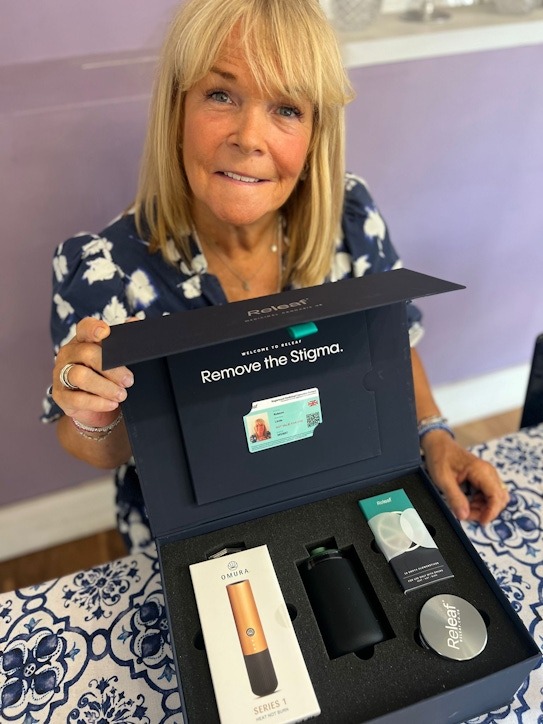
Releaf Dispensary may request records or eligibility information as part of its process, but the patient should still keep personal copies of relevant letters, test results and treatment summaries. Missing information can delay an assessment or make it harder for the clinician to understand the full history. Records should be obtained through appropriate medical channels rather than recreated from memory.
Mental health history, pregnancy status, substance use and previous unwanted reactions should be discussed honestly. These subjects can feel personal, but they may influence whether a treatment is appropriate. The prescriber cannot make a safe decision when important risks are hidden. The purpose of disclosure is clinical protection rather than judgement.
Ask Questions About Evidence, Risks and Monitoring
The patient should ask what outcome the clinician expects to monitor. A broad promise of feeling better is difficult to evaluate. A more useful plan may focus on a specific symptom, a functional change or the ability to complete an ordinary task. The measure should be meaningful to the patient and realistic enough to review at follow-up appointments.
Cannabis-based medicines can cause unwanted effects and may affect concentration, mood, coordination or alertness. The patient should understand what to watch for, when to contact the clinic and when urgent medical help is needed. Driving, operating machinery and combining treatment with alcohol or sedating medicines require particular caution and direct clinical guidance.
Someone attending Releaf Dispensary should ask how reviews are scheduled, how dose changes are handled and who responds to questions between appointments. The patient should also understand the full cost of consultations, prescriptions and follow-up care. Medical suitability and affordability are separate issues, but both affect whether the plan can be followed safely.
The consultation should include alternatives. Cannabis-based medicine is not automatically the next step because other options have been disappointing. The prescriber should explain why it is being considered, what evidence supports the decision and what would cause the treatment to be stopped. The patient has the right to take time to understand that explanation.
Information to Keep Ready
A well-organised patient file supports safer discussions and clearer follow-up.
- The patient should keep an updated list of medicines, supplements and known allergies.
- Previous treatment records should show what was tried and why it did not continue.
- Any paperwork requested by Releaf Dispensary should be supplied through secure and accurate channels.
- The patient should record the clinician’s instructions for use, storage and review appointments.
- Prescription documents and labelled packaging should remain available whenever the medicine is carried.
Treat the Prescription as Controlled Medical Care
If a prescription is issued, the medicine should be used exactly as directed. Sharing it, changing the dose independently or obtaining additional cannabis outside the prescription creates legal and medical risk. The product should remain in its original packaging with the dispensing label because that information connects the medicine to the named patient.
Storage should prevent access by children, visitors and animals. The patient should follow instructions on temperature, light and secure handling. Travel requires advance planning because rules can differ between destinations and transport providers. The clinic, prescribing professional or a qualified legal source should be consulted before the medicine crosses a border.

Follow-up appointments should include honest reporting. The patient should describe benefits, side effects, missed doses and any changes in other treatment. A medicine that is not helping or is causing problems should not be continued simply because the process of obtaining it required time and expense. Clinical review exists to adjust or stop treatment when necessary.
Releaf Dispensary can only be considered within a wider relationship between patient, prescriber and existing healthcare team. The service should never replace emergency care, routine medical review or transparent communication with professionals who manage the patient’s other conditions. A patient should also keep ordinary healthcare appointments because one specialist service cannot oversee every aspect of a complex medical history.

Indoor humidity represents a critical factor affecting both home structural integrity and occupant health. Excessive moisture creates conditions supporting mold growth, dust mite proliferation and the development of respiratory problems. Insufficient humidity causes skin irritation, respiratory discomfort and static electricity buildup. Maintaining optimal humidity levels between 30-50 percent supports healthy living environments and protects property investments. Alorair the dry air Alorair dehumidifiers deliver professional-grade moisture control enabling homeowners to achieve and maintain ideal indoor humidity year-round.
Understanding Humidity and Its Health Impact
Relative humidity measures moisture content in air, profoundly affecting comfort and wellness. When humidity exceeds 60 percent, mold spores germinate and proliferate rapidly, creating visible growth on walls, ceilings and bathroom surfaces. Dust mites thrive in humid environments, producing allergens triggering asthma attacks and allergy symptoms in sensitive individuals. High humidity worsens joint pain, reduces sleep quality and increases bacterial growth in bedding and clothing. Below 30 percent humidity, skin becomes dry and irritated, mucous membranes crack and static electricity shocks become frequent. Alorair the dry air Alorair systems maintain ideal humidity levels protecting health while preventing property damage.
Dehumidifier Types and Technologies

- Refrigerant dehumidifiers cool air to remove moisture through condensation, working efficiently in moderate to high-humidity environments above 60 percent.
- Desiccant dehumidifiers absorb moisture directly into chemical materials, functioning effectively in low-humidity conditions and cold climates.
- Hybrid systems combine both technologies, adapting performance across varied humidity levels and seasonal temperature changes.
- Whole-house dehumidifiers integrate with HVAC systems for comprehensive home moisture control throughout multi-level structures.
- Portable units provide flexible dehumidification for specific spaces, seasonal use or temporary moisture problems.
Moisture Problems in Different Home Areas
Different rooms generate moisture at varying rates requiring targeted dehumidification. Basements naturally accumulate groundwater moisture and humidity, requiring continuous dehumidification despite seasonal variations. Bathrooms generate moisture during showers and baths, with poor ventilation trapping humidity promoting mold growth. Kitchens produce steam during cooking, potentially saturating surrounding areas if ventilation proves inadequate. Laundry rooms concentrate moisture from dryer venting and washing machine humidity. Crawl spaces and attics collect moisture from structural infiltration and condensation. Alorair the dry air Alorair provides solutions addressing these specific challenges through targeted moisture removal.
Preventing Structural Damage and Decay
Excess moisture destroys property through multiple damage mechanisms. Wood flooring warps, swells and eventually rots when exposed to sustained high humidity. Drywall absorbs moisture, losing structural integrity and supporting mold growth within walls. Paint and varnish bubble and peel as moisture penetrates through finishes. Metal components rust and corrode, affecting everything from nails to HVAC components. Foundation concrete develops efflorescence and cracking from moisture pressure. Insulation loses effectiveness when saturated with moisture. These damages prove expensive to remediate and often require extensive reconstruction. Preventive dehumidification protects property values and extends structural component lifespan significantly.
Energy Efficiency and Operational Costs

Modern dehumidifiers balance moisture removal with energy efficiency, reducing operational costs. Intelligent humidity sensors activate units only when humidity exceeds target thresholds, eliminating unnecessary runtime. Automatic defrost systems prevent ice buildup on cold-climate coils, maintaining efficiency. Variable-speed compressors adjust power consumption matching current moisture loads. Proper drainage systems prevent water waste and overflow damage. Alorair the dry air Alorair engineering prioritizes efficiency, enabling effective moisture control without excessive energy consumption or utility cost increases.
Installation and System Maintenance
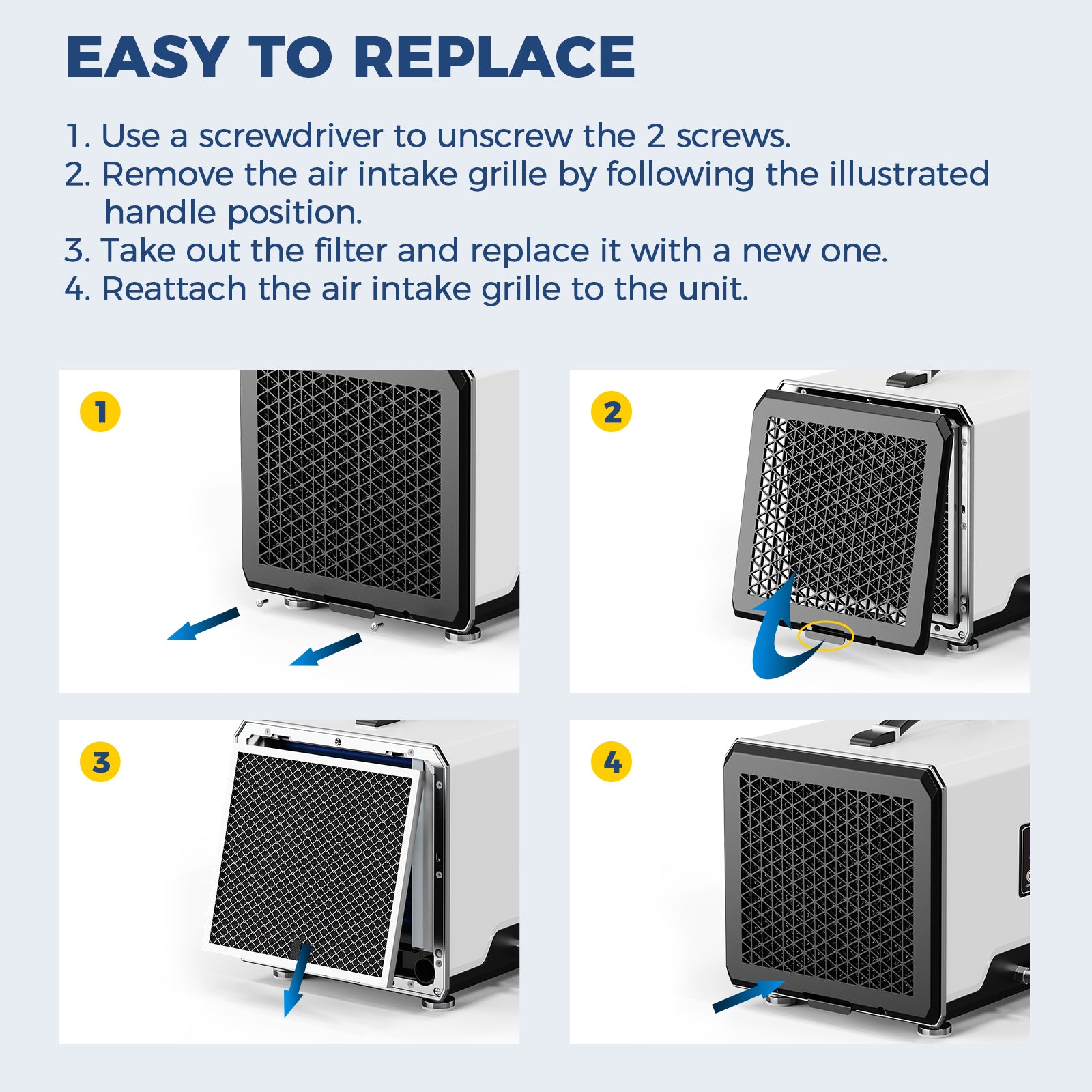
Proper dehumidifier installation ensures optimal performance and longevity. Units require adequate airflow circulation around intake and exhaust areas. Drain systems employ either gravity drainage to floor drains or pump systems for basement installation. Regular filter replacement prevents efficiency loss from clogged filtration. Condensate disposal must function reliably preventing water accumulation and overflow hazards. Professional installation ensures these critical factors receive appropriate attention. Well-maintained systems operate reliably for years, delivering consistent moisture control and health protection.
Seasonal Humidity Variations and Year-Round Management
Humidity levels fluctuate seasonally and geographically requiring adaptive management strategies. Summer heat increases air moisture-holding capacity, yet absolute moisture content peaks during humid seasons. Winter heating reduces air humidity, though proper dehumidification prevents condensation on cold windows. Geographic location dramatically affects baseline humidity patterns throughout the year. Coastal areas maintain high baseline humidity requiring constant dehumidification. Arid regions experience lower humidity requiring humidification rather than dehumidification. Quality dehumidification systems enable maintaining consistent comfort across these environmental variations and seasonal changes.
Respiratory Health Benefits and Allergy Reduction
Controlling humidity directly improves respiratory health, particularly for individuals with asthma or allergies. Reduced mold and dust mite populations decrease exposure to common allergens triggering symptoms. Balanced humidity prevents dry mucous membranes while avoiding moisture supporting pathogenic organisms. Children and elderly populations benefit significantly from improved indoor air quality resulting from proper humidity control. Pet owners appreciate reduced odor and allergen concentration achieved through moisture management. Healthcare professionals consistently recommend humidity control as a foundational wellness strategy.
Long-Term Investment and Property Value
Quality dehumidification represents genuine investment in property preservation and occupant wellness. Prevention costs substantially less than water damage remediation or structural repairs. Maintained properties attract higher resale values, with moisture control contributing to positive home inspections. Insurance claims for water damage often spike in properties with poor humidity management. Long-term ownership benefits from reduced maintenance costs and extended component lifespan resulting from proper humidity control. Alorair the dry air Alorair dehumidifiers deliver these protective benefits, supporting property values and occupant health simultaneously through professional-grade moisture management technology.
Humidity control extends beyond comfort to encompass fundamental health and property protection. Professional dehumidification systems from Alorair enable maintaining optimal moisture levels supporting respiratory wellness, preventing structural damage and preserving property values throughout years of reliable service and consistent performance.

Nicotine pouches are age-restricted products intended only for adults who already use nicotine. A responsible routine focuses on strength, frequency, storage and disposal rather than novelty or increased consumption. Existing adult users who recognise Two Wombats as a nicotine pouch retailer should treat every product as a potentially harmful source of nicotine and follow the label carefully.

Understand Strength and Personal Tolerance
Nicotine pouch labels may use milligrams, descriptive strength categories or both. Those terms are not always experienced in the same way across brands because pouch size, moisture and formulation can affect how quickly nicotine is released. An adult user should read the exact label rather than assuming that a familiar word such as strong has a universal meaning.
The safest approach is not to move toward higher strength as a form of experimentation. Nausea, dizziness, headache, sweating, a racing heartbeat or unusual weakness can indicate that too much nicotine has been used. The pouch should be removed immediately when the user feels unwell and medical advice should be sought when symptoms are significant, persistent or concerning.
Two Wombats carries products in different flavours and strengths, but variety does not remove the need for limits. Existing users should avoid using several pouches together or combining them with vaping, cigarettes or other nicotine products without considering the total exposure. Nicotine from different sources still contributes to the same overall intake.
Dependence can make increasing use feel normal. A user may begin using a pouch earlier in the day, keeping one in place for longer or reaching for another automatically. Noticing those changes matters because they may show that the routine is becoming more difficult to control. A pharmacist, GP or stop-smoking service can discuss support without judgement.
Storage and Handling Need Deliberate Care
Nicotine pouches should remain in their original container with the label intact. Loose pouches can be mistaken for sweets, mints or small food items. They should be stored out of sight and reach of children, pets and anyone who may not understand what they contain. A handbag, coat pocket or low drawer is not secure simply because it is usually closed.
Heat, moisture and direct sunlight can affect the condition of the product. The label should guide storage and the container should remain properly sealed. An adult user should also check that packaging arrives intact and should not use a pouch that appears damaged, contaminated or different from the expected product.
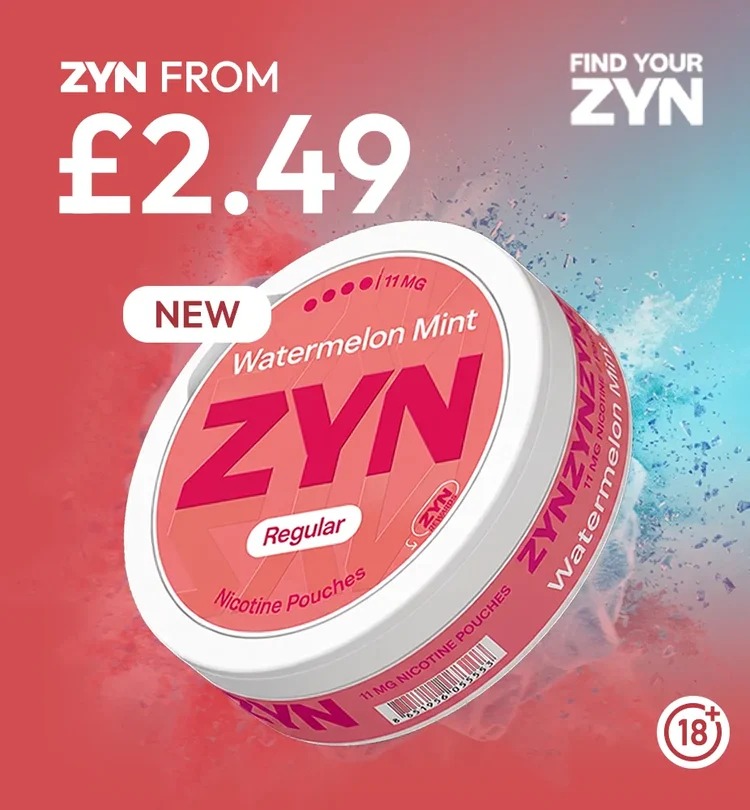
Used pouches still contain residue and require careful disposal. They should be placed in the disposal compartment when the container provides one or wrapped before going into a secure bin. They should never be left on tables, car consoles, floors or public seating. A used pouch can still create a poisoning risk if swallowed by a child or animal.
Accidental swallowing or exposure requires prompt action. The person responsible should keep the packaging and contact emergency or poison advice services rather than trying to make the affected person sick. Severe breathing difficulty, loss of consciousness or a seizure requires emergency help. Quick access to the original container can help professionals identify the product and strength.
Safety Checks for an Existing Routine
A controlled routine depends on clear limits and careful handling every time the product is used.
- Only an adult who already uses nicotine should consider a nicotine pouch product.
- The user should read the stated nicotine amount instead of judging strength by flavour or packaging.
- Products obtained from Two Wombats should remain in their labelled container until use and disposal.
- A pouch should be removed if it causes marked nausea, dizziness, irritation or another unwanted effect.
- Every used pouch should enter a secure bin where children and animals cannot reach it.
Reassess Use When the Pattern Changes
Oral comfort should be monitored. Repeated placement in the same area may cause soreness or irritation. An adult user should stop using the product on damaged tissue and should seek dental or medical advice when irritation does not settle. Flavouring and nicotine can both feel uncomfortable on sensitive gums, so discomfort should not be treated as proof that a pouch is working.
The routine should also be reviewed when strength or frequency rises. A simple note of daily use can reveal patterns that are difficult to notice in the moment. The purpose is not to create a perfect record. It is to identify whether use remains stable or whether dependence is driving a gradual increase.

Two Wombats should be viewed as a retailer of an age-restricted nicotine product, not as a source of health treatment. Nicotine pouches are not harmless and they should not be used by non-users, children, pregnant people or anyone advised to avoid nicotine. Health questions belong with a qualified professional.
Responsible use means reducing avoidable risk while recognising that nicotine remains addictive. Adults who continue to use products from Two Wombats should keep the routine controlled, protect others from exposure and seek support if cutting down or stopping becomes a goal.
